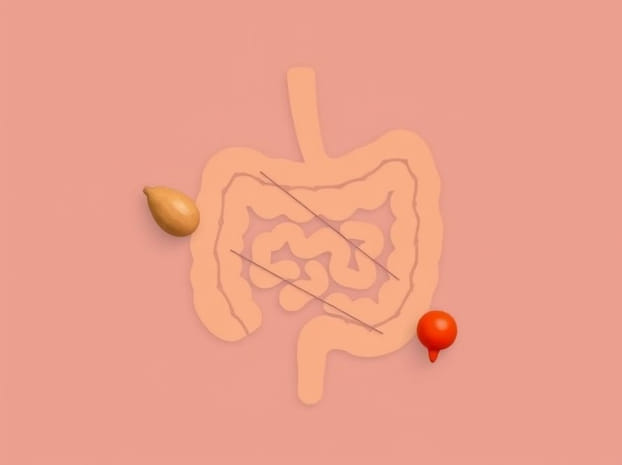
Foods That Reduce Intestinal Inflammation
Intestinal inflammation can be uncomfortable and disruptive, leading to symptoms such as bloating, abdominal pain, diarrhea, and fatigue. Many people experience it due to digestive disorders, autoimmune conditions, or even stress and poor diet. While medication and medical treatment are important for managing inflammation, the foods we eat play a critical role in either worsening or reducing the problem. Choosing the right diet that includes foods known for their anti-inflammatory properties can make a big difference in gut health and overall well-being. By incorporating nutrient-rich ingredients into daily meals, individuals can naturally help soothe the intestines and support proper digestion.
Understanding Intestinal Inflammation
Intestinal inflammation happens when the immune system reacts excessively in the gut lining. This can be triggered by infections, chronic conditions like Crohn’s disease, ulcerative colitis, or simply from consuming foods high in sugar, refined carbs, or saturated fats. Inflammation leads to damage in the intestinal lining, which can also cause nutrient absorption problems. Reducing this inflammation through diet is one of the most effective ways to protect long-term digestive health.
Foods That Reduce Intestinal Inflammation
Not all foods have the same effect on the digestive system. Some worsen irritation, while others calm the intestines and provide healing support. The following are key food groups and specific ingredients that have been shown to reduce intestinal inflammation.
Fatty Fish Rich in Omega-3
Salmon, mackerel, sardines, and tuna are excellent sources of omega-3 fatty acids. These healthy fats are known for their powerful anti-inflammatory effects. Omega-3s help reduce inflammatory markers in the gut and support the healing of damaged tissue. Consuming fatty fish two to three times a week can be highly beneficial for intestinal health.
Leafy Green Vegetables
Vegetables such as spinach, kale, Swiss chard, and collard greens are packed with antioxidants, vitamins, and minerals. They contain compounds like vitamin K, which helps lower inflammatory responses. Leafy greens also provide fiber, which supports healthy digestion and balances gut bacteria, reducing irritation in the intestines.
Fruits with Anti-Inflammatory Properties
Certain fruits stand out for their role in reducing intestinal inflammation. Berries such as blueberries, strawberries, and raspberries are rich in antioxidants called anthocyanins. Bananas are gentle on the stomach and help restore gut balance, while papaya and pineapple contain digestive enzymes that ease irritation and support smoother digestion.
- BerriesRich in antioxidants that fight inflammation.
- BananasSoothing for the gut and easy to digest.
- PineappleContains bromelain, which helps reduce swelling in tissues.
- PapayaProvides papain enzyme to support digestion.
Whole Grains
Unlike refined carbohydrates, whole grains such as oats, quinoa, brown rice, and barley contain fiber and nutrients that promote healthy digestion. The fiber in whole grains feeds beneficial gut bacteria, which in turn helps reduce inflammation. Including these grains in meals helps stabilize energy levels and improves intestinal health over time.
Fermented Foods
Fermented foods like yogurt, kefir, sauerkraut, kimchi, and miso are excellent for balancing gut bacteria. They are natural sources of probiotics, which enhance the intestinal lining and reduce inflammation. Consuming fermented foods regularly can lower the risk of flare-ups in people with inflammatory bowel conditions.
Legumes and Beans
Lentils, chickpeas, black beans, and kidney beans are rich in fiber and plant-based protein. They help regulate bowel movements and improve gut health. The resistant starch in legumes feeds good bacteria, leading to the production of short-chain fatty acids that have anti-inflammatory effects in the intestines.
Olive Oil and Healthy Fats
Extra virgin olive oil is one of the healthiest fats for reducing intestinal inflammation. It contains monounsaturated fats and antioxidants such as polyphenols, which lower inflammatory markers in the gut. Using olive oil in cooking or as a salad dressing is a simple way to support digestive wellness.
Herbs and Spices
Natural seasonings like turmeric, ginger, garlic, and cinnamon are well-known for their anti-inflammatory properties. Turmeric contains curcumin, a compound that directly targets inflammation. Ginger helps soothe the stomach, while garlic has immune-boosting benefits. Adding these spices to daily meals enhances flavor while supporting intestinal health.
Nuts and Seeds
Almonds, walnuts, flaxseeds, and chia seeds are rich in healthy fats and fiber. Walnuts in particular provide omega-3 fatty acids, while flax and chia seeds are excellent sources of plant-based fiber. These foods help regulate digestion and calm inflammation in the gut lining.
Lifestyle Tips for Managing Intestinal Inflammation
While diet plays a major role in controlling inflammation, lifestyle choices are equally important. Combining anti-inflammatory foods with healthy habits can bring better results. Some tips include
- Staying hydrated by drinking plenty of water throughout the day.
- Avoiding highly processed foods, artificial sweeteners, and excessive caffeine.
- Eating smaller, more frequent meals to reduce strain on the digestive system.
- Incorporating regular physical activity such as walking, yoga, or swimming.
- Managing stress through meditation, breathing exercises, or relaxation techniques.
Foods to Limit or Avoid
Just as some foods reduce intestinal inflammation, others can make it worse. To support gut healing, it is best to limit foods high in refined sugar, fried foods, processed meats, and items with trans fats. Dairy products and gluten can also trigger inflammation in sensitive individuals, so paying attention to personal tolerance levels is important.
Reducing intestinal inflammation naturally starts with the foods we eat every day. Incorporating fatty fish, leafy greens, fruits, whole grains, fermented foods, legumes, healthy fats, and anti-inflammatory spices can significantly improve gut health. At the same time, avoiding processed and inflammatory foods is equally important. With consistent dietary choices and healthy lifestyle habits, it is possible to calm intestinal irritation, restore digestive balance, and improve overall well-being.