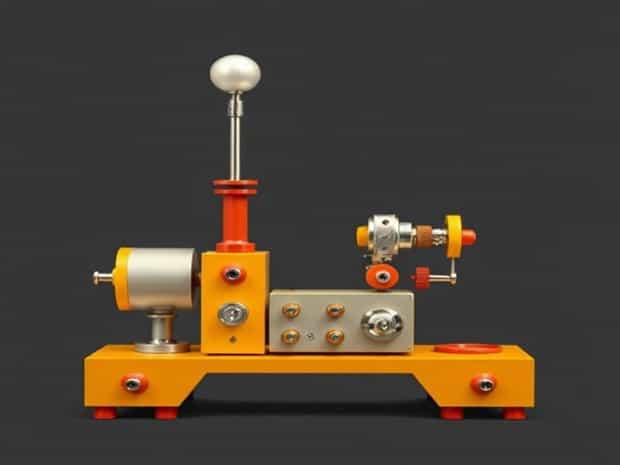
Famous Rube Goldberg Machines
Famous Rube Goldberg machines have captured the imagination of people around the world for decades, blending creativity, engineering, and humor into intricate sequences of cause and effect. These machines are designed to perform simple tasks in unnecessarily complex and elaborate ways, turning ordinary functions into extraordinary spectacles. From whimsical cartoons to real-world competitions, Rube Goldberg machines demonstrate the joy of innovation and the endless possibilities of human ingenuity, inspiring engineers, artists, and enthusiasts alike.
The Origin of Rube Goldberg Machines
The concept of Rube Goldberg machines originated from the work of Rube Goldberg, an American cartoonist, engineer, and inventor born in 1883. Goldberg was famous for drawing humorous illustrations that depicted complex contraptions performing simple tasks. These machines typically involved a series of interconnected steps, each triggering the next, culminating in an often comically inefficient outcome. Over time, the term Rube Goldberg machine has become synonymous with any overly complicated device designed to accomplish a straightforward task.
Characteristics of Rube Goldberg Machines
- ComplexityThe hallmark of a Rube Goldberg machine is its intricate, multi-step process that makes a simple task extraordinarily complicated.
- CreativityThese machines are often visually inventive, incorporating unusual items like dominoes, pulleys, ramps, levers, and household objects.
- Chain ReactionA key element is the sequential triggering of components, where one action leads to another in a continuous flow.
- Humor and EntertainmentRube Goldberg machines are designed to entertain, showcasing the absurdity of using elaborate methods for simple tasks.
- Engineering PrinciplesDespite their playful nature, they often demonstrate concepts such as energy transfer, momentum, and leverage.
Famous Rube Goldberg Machines in Popular Culture
Over the years, many Rube Goldberg machines have achieved fame for their creativity, scale, and impact. Some are featured in movies, commercials, and competitions, while others have become iconic due to their ingenious designs.
The Honda Cog Commercial
One of the most famous modern examples is the Honda Cog commercial from 2003. This advertisement featured a life-sized Rube Goldberg machine built entirely from car parts. The machine demonstrated a chain reaction that ultimately led to the assembly of a Honda Accord. Praised for its precision and creativity, the commercial is often cited as one of the most intricate and memorable Rube Goldberg machines in advertising history.
OK Go Music Videos
The band OK Go has incorporated Rube Goldberg machines into several of their music videos. Their video for the song This Too Shall Pass features an enormous machine made from everyday objects that reacts in time with the music. The video gained widespread attention for its creativity, synchronization, and the playful complexity of the machine, highlighting how Rube Goldberg principles can merge art and engineering.
The Heineken Domino Machine
Heineken also created a famous Rube Goldberg-style domino machine as part of an advertising campaign. This large-scale setup included hundreds of dominoes, ramps, and levers that interacted to pour beer into glasses. The project emphasized both visual appeal and technical execution, captivating viewers worldwide.
Educational and Competition Machines
Many Rube Goldberg machines have gained recognition in educational settings and competitions. The annual Rube Goldberg Machine Contest encourages students and enthusiasts to design machines that complete simple tasks in the most elaborate and entertaining ways. Past winning entries have included machines that feed pets, turn off lights, or pour cereal, all through intricate sequences of mechanical interactions.
Elements That Make a Machine Famous
Several factors contribute to the fame of a Rube Goldberg machine. Understanding these elements can help explain why certain machines become iconic while others remain relatively obscure.
Scale and Complexity
Machines that operate on a large scale or involve exceptionally complex sequences tend to capture more attention. The sheer ingenuity and patience required to design and execute these machines often impress viewers and elevate the machine’s status.
Visual Creativity
Unique use of objects, vibrant colors, and clever design elements make machines more memorable. Incorporating unexpected materials or combining everyday items in innovative ways often distinguishes a famous machine from ordinary examples.
Synchronization and Precision
The timing of each action is crucial. Machines that flawlessly execute a long chain of events without error demonstrate technical skill and precision, often going viral due to the perfection of the sequence.
Entertainment Value
Humor, surprise, and the absurdity of using elaborate methods for simple tasks add entertainment value. Machines that evoke laughter, amazement, or awe are more likely to be remembered and shared widely.
Famous Individual Creators
Several individuals have become renowned for designing remarkable Rube Goldberg machines, blending creativity, engineering, and performance art.
Rube Goldberg Himself
Of course, the original creator Rube Goldberg remains the most famous name associated with these machines. His cartoons, published in newspapers and compiled into books, showcased his vision of overly complicated contraptions performing simple tasks like turning on a light or opening a door. His work laid the foundation for the modern fascination with chain-reaction machines.
Joseph Herscher
Joseph Herscher is a contemporary creator known for elaborate, whimsical Rube Goldberg machines. His projects often incorporate humor, storytelling, and everyday objects in unexpected ways. Videos of his machines have millions of views online, demonstrating how Rube Goldberg concepts continue to captivate audiences.
William L. Bill Keene
Bill Keene contributed to popularizing Rube Goldberg machines through television appearances and engineering projects. His large-scale designs often highlight the balance between precision engineering and playful creativity, inspiring students and amateur inventors.
Impact of Famous Rube Goldberg Machines
Famous Rube Goldberg machines have had a significant cultural, educational, and artistic impact. They have inspired countless creators, served as teaching tools, and demonstrated how engineering concepts can be made fun and engaging.
Educational Influence
Schools and universities use Rube Goldberg machines to teach physics, engineering, and problem-solving skills. Students learn about energy transfer, momentum, levers, and mechanical advantage while engaging in creative, hands-on projects.
Popular Culture
Movies, commercials, and music videos have introduced Rube Goldberg machines to a wide audience, turning them into symbols of ingenuity and playful complexity. They appear in everything from animated films to viral internet videos, reinforcing their cultural relevance.
Innovation and Creativity
By encouraging experimentation with materials, timing, and sequences, famous machines promote innovation. They demonstrate that technical skill and artistic vision can intersect, leading to imaginative solutions and inventive thinking.
Famous Rube Goldberg machines continue to fascinate audiences around the world, combining engineering, artistry, and humor in elaborate sequences of cause and effect. From classic cartoons by Rube Goldberg himself to modern videos by Joseph Herscher and creative advertising campaigns, these machines illustrate how simple tasks can be transformed into captivating spectacles of ingenuity. They inspire creativity, teach engineering concepts, and entertain viewers of all ages, making them timeless examples of human imagination. Whether as educational tools, artistic expressions, or viral phenomena, famous Rube Goldberg machines celebrate the joy of complexity and the endless possibilities of inventive thinking.
Ultimately, Rube Goldberg machines remind us that there is beauty and amusement in overcomplication, and that even the simplest tasks can be celebrated through thoughtful design, precise execution, and a touch of humor. These machines continue to influence artists, engineers, and enthusiasts, proving that the legacy of Rube Goldberg’s vision is alive and thriving in the modern world.