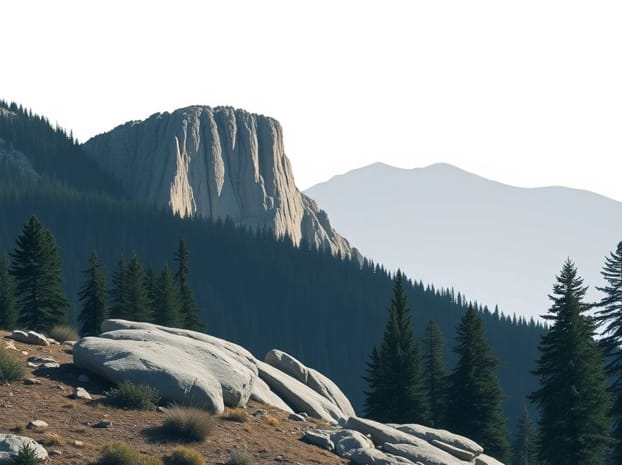
Elevation Of Boulder Co
Boulder, Colorado, is a city known for its stunning landscapes, vibrant culture, and outdoor recreational opportunities. One of the key aspects that define Boulder is its elevation, which plays a significant role in the city’s climate, lifestyle, and natural beauty. Situated at the foothills of the Rocky Mountains, Boulder’s elevation not only offers breathtaking views but also influences its weather patterns, vegetation, and overall quality of life. For residents and visitors alike, understanding the elevation of Boulder is essential to fully appreciate the unique characteristics that make this city special.
Understanding Boulder’s Elevation
Boulder is located at an elevation of approximately 5,430 feet (1,655 meters) above sea level. This elevation places it higher than the majority of cities in the United States, giving it a distinct environment that blends mountain and high plains influences. The city’s elevation affects everything from temperature and air quality to physical performance for outdoor activities such as hiking, biking, and rock climbing. Many people moving to Boulder notice the thinness of the air initially, which can impact breathing and endurance until their bodies acclimate.
Impact on Climate
The elevation of Boulder has a direct impact on its climate. The city experiences a semi-arid climate with four distinct seasons, influenced by both its altitude and proximity to the Rocky Mountains. Winters can bring snow, and spring often sees fluctuating temperatures, while summers remain warm but moderate due to the higher elevation. Elevation contributes to Boulder’s sunny weather, with the city receiving more than 300 days of sunshine annually. The combination of altitude and sunlight creates ideal conditions for plant growth and outdoor recreation, making Boulder a popular destination for nature enthusiasts.
Health and Physical Effects
Living or visiting Boulder requires some adjustment due to its elevation. At 5,430 feet, the oxygen levels are lower than at sea level, which can affect newcomers physically. Symptoms of mild altitude adjustment include shortness of breath, increased heart rate, and fatigue during strenuous activities. However, over time, the body adapts by producing more red blood cells to carry oxygen more efficiently. Many athletes choose Boulder for training because exercising at higher elevations can enhance endurance and performance once returning to lower altitudes.
Elevation and Outdoor Activities
Boulder’s elevation contributes to its reputation as a hub for outdoor adventure. The city is surrounded by natural attractions such as the Flatirons, Chautauqua Park, and numerous mountain trails. Hiking, rock climbing, and mountain biking are immensely popular, and the elevation offers both challenging terrain and spectacular views. Elevation also influences the types of flora and fauna that thrive in the area. Native plants, wildflowers, and wildlife have adapted to higher altitudes, creating a unique ecosystem that attracts nature lovers and researchers alike.
Real Estate and Lifestyle Considerations
The elevation of Boulder also impacts real estate and urban planning. Homes built at higher elevations often have views of the mountains and the city below, which can increase property value. Residents benefit from cleaner air, a more temperate summer climate, and scenic vistas. Elevation considerations extend to architecture and building practices, as homes may need special insulation and construction to withstand snow loads and temperature variations common in higher-altitude locations.
Tourism and Economic Influence
Tourism in Boulder is closely tied to its elevation. Visitors come from around the world to experience hiking trails, scenic drives, and winter sports in nearby mountain areas. Elevation-related activities, such as high-altitude yoga, climbing, and trail running, draw both casual tourists and professional athletes. This influx of visitors contributes significantly to the local economy, supporting hotels, restaurants, and outdoor gear retailers. The unique environmental conditions created by Boulder’s elevation make it a destination for those seeking adventure and wellness experiences.
Environmental Impacts of Elevation
Boulder’s elevation influences its environmental policies and sustainability efforts. Higher elevations can lead to faster runoff during snowmelt, affecting water management and soil conservation. Local authorities and environmental organizations work to preserve open spaces, maintain trails, and protect native species that thrive at this altitude. Understanding the relationship between elevation and the environment helps in planning for sustainable growth and mitigating impacts of climate change on high-altitude ecosystems.
Educational and Research Opportunities
The University of Colorado Boulder and other research institutions utilize the city’s elevation for scientific studies. High-altitude laboratories and environmental research programs explore topics such as atmospheric science, ecology, and human physiology. Students and scientists benefit from hands-on experiences in a city where the elevation itself becomes a living laboratory for studying environmental and health phenomena unique to high-altitude regions.
The elevation of Boulder, Colorado, is more than just a number on a map. At 5,430 feet above sea level, it shapes the city’s climate, health considerations, outdoor activities, real estate, tourism, environment, and educational opportunities. Visitors and residents experience a lifestyle closely intertwined with the natural world, from sunny days and crisp mountain air to the physical challenges and beauty of higher altitudes. Understanding Boulder’s elevation provides insight into why this city is cherished for its scenic landscapes, active lifestyle, and unique ecological conditions. The combination of natural beauty, recreational possibilities, and scientific research opportunities makes Boulder an exceptional example of how elevation influences urban life and culture.
- Elevation 5,430 feet (1,655 meters) above sea level
- Climate Semi-arid with four distinct seasons
- Outdoor activities Hiking, rock climbing, mountain biking, trail running
- Health effects Adjustments to oxygen levels, increased endurance for athletes
- Tourism Attracts visitors for scenic beauty and high-altitude activities
- Environmental impact Influences water runoff, soil conservation, and native ecosystems
- Research opportunities High-altitude studies in physiology, ecology, and atmospheric science