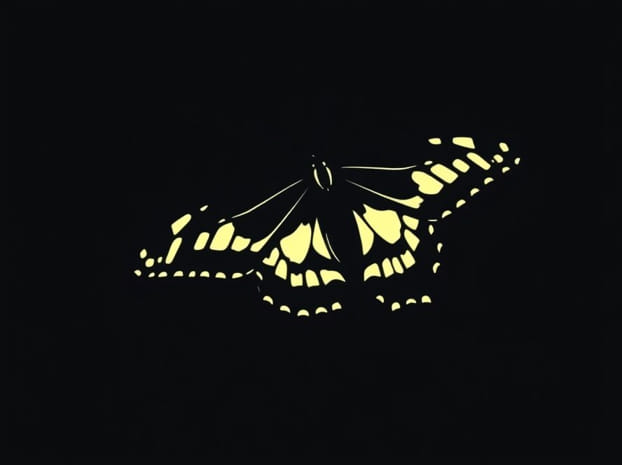
Eastern Black Swallowtail Chrysalis
The eastern black swallowtail chrysalis represents one of nature’s most fascinating stages in the life cycle of the eastern black swallowtail butterfly, scientifically known asPapilio polyxenes. This stage, called the pupal stage, occurs after the caterpillar has completed its larval growth and prepares to transform into a butterfly. The chrysalis serves as a protective casing in which the dramatic metamorphosis takes place, reshaping the caterpillar’s body into the intricate form of an adult butterfly. Observing the eastern black swallowtail chrysalis offers insight into the complexity of insect development and provides a unique opportunity for enthusiasts, educators, and researchers to study one of nature’s most remarkable transformations.
Identification and Appearance
The eastern black swallowtail chrysalis is distinctive in appearance, often blending seamlessly with its surroundings to avoid predators. Depending on environmental factors and the individual caterpillar, the chrysalis may exhibit a range of colors, typically green or brown, providing effective camouflage. The green form is common when the chrysalis is attached to foliage, while the brown form often appears when it is on bare branches or soil. Each chrysalis is shaped with a tapered end and a smooth exterior, and it is attached securely to a surface by a silk pad and cremaster, a small hook-like structure that anchors it in place.
Camouflage and Protective Features
- ColorationGreen or brown to blend with surrounding leaves, stems, or soil.
- Surface TextureSmooth with subtle ridges or markings that mimic natural elements like twigs or leaf veins.
- Attachment MechanismThe cremaster and silk pad hold the chrysalis in place, reducing the risk of falling or predation.
Life Cycle and Metamorphosis
The chrysalis represents a transitional stage in the life cycle of the eastern black swallowtail, following the larval stage and preceding adulthood. After the caterpillar reaches full size, it selects a suitable site, often on host plants such as parsley, dill, or fennel, where it attaches itself securely. Once anchored, the caterpillar sheds its final larval skin to reveal the chrysalis. Inside, a remarkable transformation occurs tissues break down and reorganize, forming wings, antennae, and other structures necessary for the adult butterfly. This process typically lasts between 10 to 20 days, depending on temperature and environmental conditions.
Stages of Transformation Within the Chrysalis
- Prepupal StageThe caterpillar becomes inactive and anchors itself, preparing to shed its skin.
- Formation StageThe pupal casing forms as the larval skin splits to reveal the chrysalis underneath.
- Pupal StageExtensive internal changes occur, transforming the larval body into adult morphology.
- EmergenceThe fully formed butterfly emerges by splitting the chrysalis, often requiring several hours to expand and dry its wings.
Habitat and Host Plants
Eastern black swallowtail butterflies are commonly found throughout North America, and their chrysalises are usually located near their host plants. Parsley, dill, fennel, and Queen Anne’s lace are among the preferred plants where caterpillars feed and eventually pupate. The choice of host plant is crucial, as it provides both nourishment during the larval stage and a secure environment for the chrysalis. Understanding the preferred habitats and host plants can help enthusiasts identify chrysalises in the wild and support conservation efforts for these butterflies.
Factors Affecting Chrysalis Survival
- PredationBirds, ants, and other predators may target exposed chrysalises.
- Environmental ConditionsExtreme temperatures, heavy rainfall, or strong winds can impact development and survival.
- Human ActivityHabitat destruction or pesticide use can reduce the availability of suitable pupation sites.
Observation and Study
Many educators and butterfly enthusiasts study eastern black swallowtail chrysalises to better understand insect development and metamorphosis. Observing a chrysalis requires patience, as the external changes may be subtle, such as slight color shifts indicating the butterfly is nearly ready to emerge. Time-lapse photography and careful monitoring provide valuable insights into the timing of pupal development, wing formation, and other physiological changes. For conservationists, monitoring chrysalises can also help track population health and the impact of environmental changes on butterfly species.
Tips for Safe Observation
- Handle chrysalises minimally to avoid damaging delicate structures.
- Provide a stable environment with appropriate temperature and humidity if raising chrysalises indoors.
- Ensure host plants are available nearby if observing in a garden or controlled habitat.
Emergence and Adult Butterfly
The culmination of the chrysalis stage is the emergence of the adult eastern black swallowtail butterfly. This process, known as eclosion, is often preceded by visible color changes in the chrysalis, where the wings and body of the butterfly become faintly visible through the pupal casing. Once the butterfly emerges, it pumps fluid into its wings to expand them and rests until its wings are fully dry and functional. The adult butterfly then begins its life of feeding on nectar, mating, and continuing the reproductive cycle. This dramatic transformation highlights the importance of the chrysalis stage as a protected period of growth and reorganization.
Conservation and Importance
The eastern black swallowtail and its chrysalises play an essential role in ecosystems as pollinators and as part of the food chain. Preserving habitats with host plants and minimizing pesticide use are key steps in supporting their populations. Gardeners and nature enthusiasts can contribute by planting butterfly-friendly gardens that provide both food and safe pupation sites. Studying chrysalises also contributes to broader scientific understanding, helping researchers assess environmental impacts on insect development and biodiversity.
Ways to Support Eastern Black Swallowtails
- Plant native host plants such as parsley, dill, and fennel in gardens.
- Avoid pesticide use that could harm caterpillars and chrysalises.
- Create sheltered areas where chrysalises can safely develop.
- Participate in citizen science programs that track butterfly populations and health.
The eastern black swallowtail chrysalis is a remarkable stage in the butterfly’s life cycle, representing a period of profound transformation and adaptation. Its ability to camouflage, survive environmental challenges, and safely protect the developing butterfly highlights the elegance of natural design. Observing and studying these chrysalises offers insights into metamorphosis, insect development, and ecosystem dynamics. By supporting their habitats and understanding the intricacies of the chrysalis stage, enthusiasts and researchers can help ensure the continued survival and appreciation of this striking butterfly species. From the delicate attachment to a host plant to the moment of emergence, the eastern black swallowtail chrysalis embodies the intricate and captivating processes that occur in the natural world.