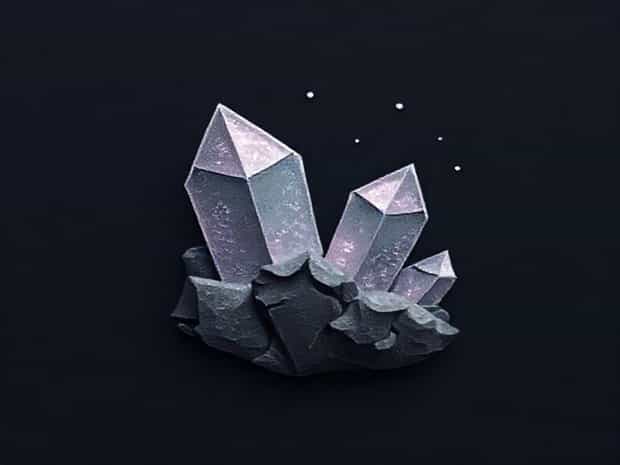
Does Porphyry Have Crystals
Porphyry is a fascinating type of igneous rock that captures the attention of geologists, collectors, and jewelry enthusiasts alike. One of the most common questions about porphyry is whether it contains crystals, and the answer lies in understanding its unique formation process. Porphyry is characterized by a distinctive texture that includes large, well-formed crystals embedded within a finer-grained matrix. This texture is the result of a two-stage cooling process in which magma cools slowly at first, allowing crystals to grow, and then cools more rapidly, forming the fine-grained groundmass. The presence of crystals in porphyry not only affects its appearance but also provides clues about the geological history and conditions under which the rock formed.
Understanding Porphyry
Porphyry is an igneous rock that can be either volcanic or plutonic in origin. Its most defining feature is the contrast between large crystals, known as phenocrysts, and the finer-grained matrix, sometimes called the groundmass. This dual texture distinguishes porphyry from other igneous rocks that may have uniform grain sizes. The crystals in porphyry can vary in size, shape, and mineral composition, often including minerals like feldspar, quartz, mica, and amphibole. The groundmass surrounding these crystals typically forms when the remaining magma cools quickly, resulting in a much smaller grain size.
Formation of Crystals in Porphyry
The crystals in porphyry form during the initial stage of magma cooling. This stage is relatively slow, allowing atoms in the molten rock to arrange themselves into well-defined crystal lattices. As a result, minerals like feldspar or quartz grow into large, easily visible crystals. Once these crystals are established, the remaining magma may rise closer to the Earth’s surface or erupt, where the cooling rate increases significantly. The rapid cooling prevents further crystal growth, producing the fine-grained groundmass. This two-stage cooling process is responsible for the distinctive porphyritic texture.
Types of Crystals Found in Porphyry
Porphyry can contain a variety of crystals, depending on its mineral composition and formation environment. The most common crystals include
- FeldsparOften the most abundant crystal in porphyry, feldspar can appear as pink, white, or gray crystals.
- QuartzQuartz crystals are usually clear or milky and are highly resistant to weathering.
- MicaMica minerals, including biotite and muscovite, often form shiny, plate-like crystals in porphyry.
- AmphiboleDark-colored amphibole crystals may be present, contributing to the rock’s overall appearance.
The size of these crystals can vary significantly, from millimeters to several centimeters, depending on the cooling rate and chemical composition of the magma.
Significance of Crystals in Porphyry
The presence of crystals in porphyry is not only visually striking but also scientifically important. Geologists study these crystals to understand the conditions under which the rock formed. For example, the size, shape, and composition of phenocrysts provide clues about magma temperature, pressure, and cooling history. Crystals can also reveal the chemical interactions that occurred within the magma, including the presence of volatile components like water and carbon dioxide, which can influence eruption style in volcanic porphyries. Additionally, porphyry deposits are often associated with valuable mineral resources, such as copper, molybdenum, and gold, making the study of their crystals economically significant.
Porphyry in Geology and Industry
Porphyry is not just a subject of academic interest; it has practical applications as well. In construction, its durability and aesthetic appeal make it a popular choice for decorative stones, tiles, and countertops. In mining, porphyry deposits are significant sources of metals, with the crystals often providing key indicators for locating mineralization zones. The texture of porphyry, including the size and distribution of crystals, is used to assess the quality and value of the rock in both construction and mining industries.
How to Identify Crystals in Porphyry
Identifying crystals in porphyry can be done through visual inspection and basic geological techniques. Large, well-formed crystals are usually visible to the naked eye and stand out from the finer groundmass due to their size, color, and luster. In more detailed studies, geologists use hand lenses or microscopes to examine the shape, boundaries, and mineral composition of the crystals. Chemical analysis, including X-ray diffraction or electron microprobe techniques, can provide additional information about the elemental composition of the crystals, confirming their identity and formation history.
Visual Characteristics
When observing porphyry, look for the following indicators of crystals
- Large, distinct grains embedded in a finer matrix.
- Variation in color between crystals and groundmass.
- Shiny or reflective surfaces, especially in mica or feldspar crystals.
- Angular or well-formed crystal shapes, indicating slow initial cooling.
Variations in Porphyry Crystals
Not all porphyries contain the same types or sizes of crystals. Variations depend on magma composition, eruption history, and tectonic environment. For instance, volcanic porphyries often have smaller, more fragmented crystals due to rapid cooling during eruption, while plutonic porphyries formed underground tend to have larger, more well-formed crystals. These differences affect both the appearance and mechanical properties of the rock, influencing its suitability for various industrial and decorative uses.
Porphyry indeed contains crystals, which are a defining feature of this unique igneous rock. The large phenocrysts embedded in a finer-grained groundmass result from a two-stage cooling process, reflecting the complex geological history of the magma. These crystals can include feldspar, quartz, mica, and amphibole, each contributing to the rock’s appearance, scientific significance, and economic value. Understanding the formation, identification, and variations of crystals in porphyry is essential for geologists, miners, and construction professionals. The presence of crystals not only makes porphyry visually striking but also provides critical insights into Earth’s geological processes, mineral resources, and the dynamics of igneous rock formation.