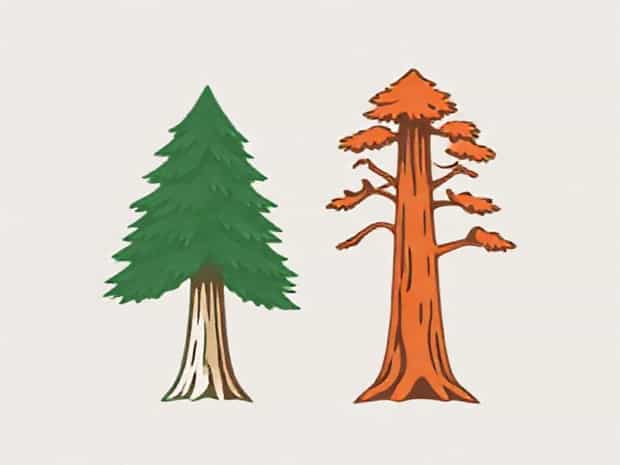
Difference Between Sequoia And Redwood
When exploring the majestic forests of California, visitors often encounter references to Sequoias and Redwoods, two of the most iconic and massive tree species in the world. While both are known for their towering heights, immense trunks, and remarkable longevity, they are not identical. Many people confuse the two due to their similarities, but understanding the differences between Sequoia and Redwood is crucial for botanists, nature enthusiasts, and tourists alike. These trees each have unique characteristics, habitats, and historical significance that distinguish them and contribute to the rich biodiversity of their ecosystems.
Understanding Sequoias
Sequoias, often referred to as Giant Sequoias, are scientifically classified as Sequoiadendron giganteum. They are renowned for having the largest trunk volume of any tree on Earth, making them some of the most massive living organisms. Giant Sequoias are native to the western slopes of the Sierra Nevada Mountains in California, thriving at elevations between 5,000 and 7,000 feet. These trees are not necessarily the tallest, but their width and mass give them an imposing presence in the forests where they grow. Sequoias can live for thousands of years, with some specimens estimated to be over 3,000 years old.
Characteristics of Sequoias
- Height Typically 164 to 279 feet, but not the tallest species of trees.
- Trunk diameter Can reach up to 40 feet, with massive volume.
- Bark Thick, fibrous, and reddish-brown, providing protection against fire.
- Leaves Scale-like, small, and evergreen.
- Cones Egg-shaped cones containing seeds that rely on fire to open and disperse.
- Habitat Mountainous regions with well-drained soil and moderate rainfall.
Understanding Redwoods
Redwoods, also called Coast Redwoods and classified as Sequoia sempervirens, are the tallest trees on the planet. They grow along the northern California coast and southern Oregon, flourishing in a narrow strip that enjoys cool, moist, and foggy conditions. Unlike Sequoias, Redwoods have narrower trunks but can reach extraordinary heights, sometimes exceeding 370 feet. These trees also have remarkable lifespans, with some estimated to be over 2,000 years old. Their natural environment is heavily influenced by coastal weather patterns, which provide the constant moisture essential for their growth.
Characteristics of Redwoods
- Height Can exceed 350 feet, making them the tallest trees in the world.
- Trunk diameter Smaller than Sequoias, usually around 20 feet.
- Bark Thick, fibrous, and reddish-brown, offering protection against insects and fire.
- Leaves Needle-like, flat, and evergreen, forming dense foliage.
- Cones Small, cylindrical cones that produce seeds without requiring fire.
- Habitat Coastal regions with frequent fog, high humidity, and mild temperatures.
Key Differences Between Sequoia and Redwood
While Sequoias and Redwoods share some visual similarities and belong to the same family (Cupressaceae), their differences are notable. The most obvious distinction is their size Sequoias have immense trunk volumes, whereas Redwoods achieve greater heights. Their natural habitats also differ significantly, with Sequoias thriving in mountainous regions and Redwoods in coastal areas. Additionally, the reproductive strategies of these trees vary, with Sequoias relying on fire to release seeds, while Redwoods reproduce in moist conditions without fire intervention.
Comparison of Growth and Structure
Sequoias prioritize mass over height, giving them a broad, massive trunk that can store water and nutrients efficiently. Redwoods focus on vertical growth, reaching towards sunlight in dense coastal forests. This structural difference affects their appearance Sequoias appear more robust and wide at the base, while Redwoods are tall, slender, and graceful. Both species have bark adapted to resist fire, but Sequoias’ thick bark is particularly effective against high-intensity mountain fires, while Redwoods benefit from the moisture of coastal fog to protect against fire damage.
Ecological and Environmental Roles
Both Sequoias and Redwoods play vital roles in their ecosystems. They provide habitats for numerous birds, mammals, and insects, contribute to carbon storage, and influence local climate patterns. Sequoias’ thick bark and massive structure make them particularly resilient to wildfires, allowing them to dominate certain Sierra Nevada forests for millennia. Redwoods, with their incredible height, form a canopy that regulates light and temperature for understory plants, fostering unique biodiversity along the coast.
Human Interaction and Conservation
Human appreciation of Sequoias and Redwoods has led to significant conservation efforts. National and state parks, such as Sequoia National Park and Redwood National and State Parks, protect these ancient giants from logging and urban development. While both species have faced threats from deforestation in the past, conservation measures have ensured the survival of their remaining populations. Educating the public about their differences helps promote awareness and protection, emphasizing that each tree species is uniquely adapted to its environment.
Why Understanding the Difference Matters
Understanding the difference between Sequoias and Redwoods is not only important for scientific study but also for ecological preservation and tourism. Knowing which species you are observing can enhance educational experiences in national parks and improve ecological research. Conservation strategies can also be tailored to each species’ specific needs, such as fire management for Sequoias and fog water retention for Redwoods. Appreciating their distinct qualities fosters a deeper connection to nature and highlights the diversity of the natural world.
Tips for Visitors and Nature Enthusiasts
- Observe the environment Mountainous terrain often indicates Sequoias, while coastal forests with fog suggest Redwoods.
- Check tree structure Wide, massive trunks usually belong to Sequoias; tall, slender trees are likely Redwoods.
- Learn about local history Many parks have educational programs explaining the unique characteristics of each species.
- Support conservation Respecting park rules and contributing to preservation efforts helps protect both Sequoias and Redwoods.
Sequoias and Redwoods are among the most remarkable trees on Earth, inspiring awe with their size, age, and resilience. While they share family ties and similar appearances, their differences in height, trunk volume, habitat, reproductive strategies, and ecological roles make each species unique. Understanding these differences helps people appreciate the diversity of life and the specific adaptations that allow these giants to thrive. By studying, visiting, and conserving these incredible trees, we honor their legacy and ensure that future generations can experience the wonder of both Sequoias and Redwoods.