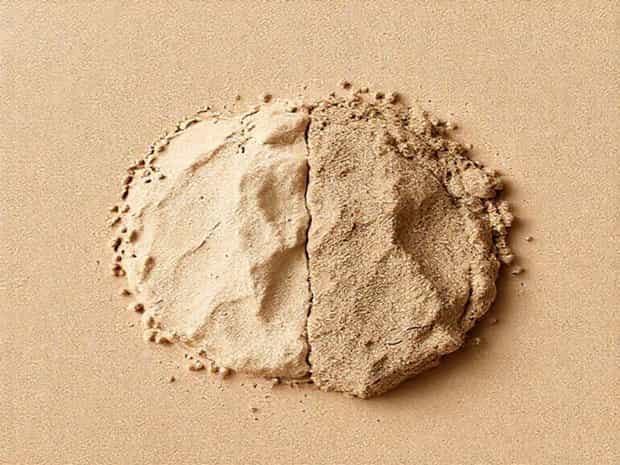
Difference Between Clay And Clayey Soil
Understanding soil types is essential for agriculture, construction, and environmental studies, and among the most commonly discussed soils are clay and clayey soil. While these terms are often used interchangeably, they actually refer to different concepts in soil science and have distinct properties that influence their behavior, fertility, and suitability for various purposes. Distinguishing between clay and clayey soil is important for farmers, engineers, gardeners, and environmental scientists who need to make informed decisions regarding irrigation, crop selection, foundation construction, and soil management. This topic delves into the key differences between clay and clayey soil, exploring their characteristics, formation, uses, and implications for practical applications.
Defining Clay
Clay is a natural material composed of very fine mineral ptopics, typically less than 0.002 mm in diameter. It is a fundamental component of many soils and is known for its unique physical and chemical properties. The microscopic structure of clay gives it a high surface area and a capacity to retain water and nutrients, which can be advantageous for agriculture but challenging for construction projects. Clay minerals include kaolinite, montmorillonite, and illite, each contributing specific properties to the clay’s behavior.
Characteristics of Clay
- Ptopic size – Extremely fine, less than 0.002 mm in diameter.
- Plasticity – Can be molded when wet and hardens upon drying.
- Water retention – Holds significant amounts of water due to its fine texture.
- Nutrient retention – Can hold essential minerals and nutrients for plant growth.
- Low permeability – Water and air move slowly through clay, making drainage difficult.
Defining Clayey Soil
Clayey soil, on the other hand, refers to a type of soil that contains a significant proportion of clay ptopics but also includes other soil components such as silt and sand. Typically, clayey soil has more than 30% clay content, with the remaining portion composed of silt and sand, which influence its texture, drainage, and fertility. Unlike pure clay, clayey soil is more representative of natural soils encountered in fields, gardens, and construction sites, where mixed ptopic sizes create diverse physical properties.
Characteristics of Clayey Soil
- Composition – Contains a mix of clay, silt, and sand ptopics.
- Texture – Fine and sticky when wet, can become hard and compacted when dry.
- Water retention – High water-holding capacity but slightly better drainage than pure clay.
- Fertility – Rich in nutrients, but proper management is required to prevent waterlogging.
- Workability – More manageable than pure clay for farming and gardening due to mixed ptopics.
Key Differences Between Clay and Clayey Soil
Although clay and clayey soil share similarities, the differences between them are important for practical applications. Understanding these distinctions can guide decisions in agriculture, construction, and landscaping.
Composition
Clay is a single type of mineral material composed entirely of fine ptopics, whereas clayey soil is a mixture of clay along with silt and sand. This difference in composition affects the physical and chemical behavior of the soil.
Texture and Plasticity
Clay has a very smooth and sticky texture when wet, and it exhibits high plasticity, meaning it can be shaped easily. Clayey soil, while still sticky and fine, is less plastic due to the presence of silt and sand, making it more workable for gardening and construction purposes.
Drainage and Permeability
Pure clay has very low permeability, which leads to waterlogging and slow drainage. Clayey soil, with its mixture of ptopic sizes, has slightly better drainage characteristics, reducing the risk of stagnant water but still requiring careful irrigation management.
Fertility and Nutrient Retention
Both clay and clayey soil are generally fertile due to their ability to retain nutrients. However, clayey soil benefits from the presence of silt and sand, which can improve aeration and root penetration, making it more suitable for crop cultivation and gardening.
Workability and Construction Use
Clay’s high plasticity makes it ideal for pottery and certain construction materials like bricks, but it can be challenging to use in foundations due to shrink-swell behavior. Clayey soil is more manageable for construction and agriculture, though proper compaction and drainage measures are necessary to ensure stability.
Formation and Occurrence
Clay forms from the weathering of rocks and minerals over long periods, often in regions with high moisture and low drainage, allowing fine ptopics to accumulate. Clayey soil develops naturally in areas where clay ptopics mix with silt and sand, often influenced by river deposits, erosion, and soil management practices. Understanding the formation process is important for soil scientists and agronomists who assess soil suitability for various uses.
Environmental Factors
- Climate – High rainfall areas promote clay formation through chemical weathering.
- Topography – Low-lying areas accumulate fine ptopics, creating clayey soils.
- Parent material – Rocks and minerals provide the source for clay ptopics.
- Human activity – Agriculture, irrigation, and construction can alter the composition of clayey soils.
Applications and Uses
Both clay and clayey soil have specific applications based on their characteristics. Knowing these applications helps in optimizing their use in agriculture, construction, and crafts.
Clay Applications
- Pottery and ceramics – High plasticity and moldability make clay ideal for shaping.
- Brick and tile production – Drying and firing clay produces durable construction materials.
- Water retention in gardening – Used in raised beds and container gardening to retain moisture.
- Industrial uses – Certain clays are used in paper production, cosmetics, and pharmaceuticals.
Clayey Soil Applications
- Agriculture – Suitable for crops that tolerate heavy soils, provided proper drainage is ensured.
- Landscaping – Can support grass, shrubs, and trees with careful soil management.
- Construction – Used in earthworks, embankments, and foundation layers after proper compaction.
- Soil improvement – Often mixed with organic matter to enhance fertility and structure.
Challenges and Management
Working with clay and clayey soil presents challenges due to their water retention, compaction, and plasticity. Proper management techniques are essential for successful use in farming, gardening, or construction.
Clay Management
- Prevent waterlogging by creating drainage channels.
- Avoid working soil when wet to reduce compaction.
- Amend with sand or organic matter to improve aeration.
- Use for specific industrial or craft purposes where plasticity is advantageous.
Clayey Soil Management
- Regularly incorporate organic matter to improve structure and fertility.
- Implement raised beds or mounds for better drainage.
- Ensure proper compaction and stabilization in construction projects.
- Monitor irrigation to prevent excessive moisture retention.
In summary, clay and clayey soil are related but distinct materials with different compositions, properties, and uses. Clay is a pure mineral with fine ptopics, high plasticity, and excellent water and nutrient retention but limited workability. Clayey soil contains a mixture of clay, silt, and sand, offering better workability, drainage, and practical applications for agriculture and construction. Understanding the differences between clay and clayey soil is crucial for farmers, gardeners, engineers, and environmental scientists who need to make informed decisions about soil management, cultivation, and construction projects. Proper knowledge of their characteristics, formation, and management strategies ensures optimal utilization, sustainability, and safety across various applications.