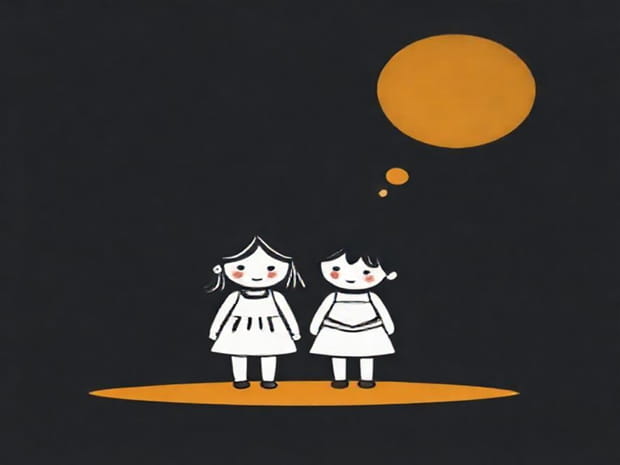
Children Of Emotionally Neglectful Parents
Growing up with emotionally neglectful parents can leave lasting effects on a child’s development, self-esteem, and relationships. Emotional neglect occurs when a parent fails to respond adequately to a child’s emotional needs, often through unavailability, indifference, or a lack of empathy. Unlike overt abuse, emotional neglect is subtle and often invisible, which can make it difficult for both children and adults to recognize the impact it has had on their lives. Children raised in such environments may feel unseen, unheard, and unsupported, creating a complex web of emotional challenges that can continue into adulthood.
Defining Emotional Neglect
Emotional neglect is not the same as physical neglect, where a child’s basic needs like food, shelter, and safety are ignored. Instead, it involves a lack of emotional support, validation, and nurturing. Parents who are emotionally neglectful may be physically present but fail to connect with their children on a deeper level. They might avoid discussing feelings, dismiss emotions, or show little affection. Over time, children internalize this lack of emotional responsiveness and may struggle to understand their own feelings or trust others to meet their emotional needs.
Common Traits of Children with Emotionally Neglectful Parents
Children who grow up in emotionally neglectful households often develop certain patterns of thinking and behavior. Recognizing these traits can help individuals understand their experiences and seek support if necessary. Common traits include
- Difficulty identifying or expressing emotions.
- Low self-esteem and feelings of unworthiness.
- Chronic feelings of emptiness or loneliness.
- Fear of rejection or abandonment in relationships.
- Difficulty trusting others or forming close attachments.
- A strong tendency to people-please or suppress their own needs.
These traits often carry into adulthood, affecting romantic relationships, friendships, and professional interactions. Adults who were emotionally neglected may struggle to set boundaries, ask for support, or feel deserving of love and attention.
Impact on Emotional and Psychological Development
The long-term effects of emotional neglect are profound. Children learn about the world and themselves through interactions with their caregivers. When those interactions lack emotional validation, children may develop a sense that their feelings are unimportant or wrong. This can lead to chronic anxiety, depression, and difficulties managing stress. Emotionally neglected children may also develop an excessive need for approval from others, as they never received adequate affirmation during their formative years.
Furthermore, these children often become highly self-reliant, learning to cope with their feelings in isolation. While self-reliance can be positive, in this context it is often paired with emotional suppression, which can hinder emotional growth. Over time, these patterns can manifest as difficulties in forming secure attachments, avoiding vulnerability, and maintaining stable relationships.
Recognizing Emotional Neglect in Parenting
Not all parents who are emotionally distant are intentionally neglectful. In many cases, parents may be dealing with their own emotional challenges, stress, or lack of awareness. Emotional neglect can manifest in subtle ways, such as
- Failing to notice or respond to a child’s emotional cues.
- Minimizing a child’s feelings or telling them to toughen up.
- Being consistently preoccupied with work, technology, or personal issues.
- Providing material support but little emotional engagement.
- Avoiding difficult conversations about emotions or experiences.
Recognizing these behaviors is the first step toward understanding the impact on the child. Emotional neglect often leaves children feeling invisible, even if they were never physically harmed.
Strategies for Healing and Growth
Children of emotionally neglectful parents can take active steps toward healing as they grow into adulthood. While the process may be challenging, it is possible to rebuild emotional awareness, self-esteem, and healthy relationship skills. Some strategies include
- Therapy or counseling to process past experiences and develop emotional literacy.
- Practicing self-compassion and validating one’s own feelings.
- Learning to set healthy boundaries in relationships.
- Engaging in supportive communities or friendships where emotions are respected.
- Developing mindfulness practices to connect with personal feelings and needs.
Therapy, in particular, can be transformative, offering a safe space to explore neglected emotional needs and learn to nurture oneself in ways that were absent in childhood. Over time, these practices can help individuals build resilience, emotional intelligence, and deeper connections with others.
Building Emotional Awareness and Healthy Relationships
Adults who experienced emotional neglect as children often benefit from intentionally developing emotional awareness. This includes identifying and naming emotions, understanding their origins, and expressing them in safe ways. By becoming more attuned to their own emotions, individuals can also improve empathy and connection with others.
Healthy relationships are another critical area of growth. Children of emotionally neglectful parents may gravitate toward partners who replicate familiar patterns, including emotional unavailability. Recognizing these tendencies and seeking relationships based on mutual respect, care, and open communication can foster long-term emotional health. Over time, individuals can learn to trust others and allow themselves to be vulnerable, breaking cycles of neglect and fostering secure attachments.
Growing up with emotionally neglectful parents can have lasting effects on emotional development, self-esteem, and relationships. Children may struggle with identifying and expressing emotions, forming secure attachments, and feeling deserving of love. Recognizing the traits and impact of emotional neglect is an important step toward healing and personal growth. Through therapy, self-compassion, and mindful practices, individuals can learn to validate their own feelings, build healthy relationships, and overcome the challenges of their upbringing. While the journey may require patience and dedication, it is possible to break the patterns of emotional neglect and create a more fulfilling and emotionally rich life. Understanding these experiences not only helps in personal development but also enables individuals to cultivate empathy and awareness in their interactions with others.
By acknowledging the subtle yet profound influence of emotionally neglectful parenting, children and adults alike can take proactive steps toward emotional recovery. Developing self-awareness, building supportive relationships, and learning to express emotions healthily are essential for transforming the legacy of neglect into one of resilience and emotional strength.