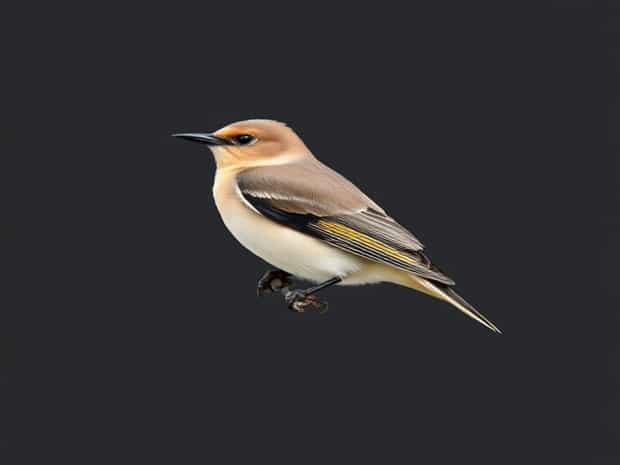
Juvenile Cedar Waxwing Photo
Capturing a juvenile Cedar Waxwing in a photograph offers bird enthusiasts and nature photographers a unique glimpse into the delicate early stages of this striking species’ life. Juvenile Cedar Waxwings, with their subtle plumage and distinctive features, provide a fascinating contrast to adult birds and can reveal important aspects of their growth, behavior, and habitat. Photographing these young birds requires patience, knowledge of their habits, and an understanding of the environments they frequent. A juvenile Cedar Waxwing photo not only documents their physical characteristics but also serves as a tool for education, conservation, and appreciation of avian life in natural settings.
Identifying Juvenile Cedar Waxwings
Juvenile Cedar Waxwings are often recognized by their softer and less distinct coloring compared to adults. While adult Cedar Waxwings exhibit sleek brown, gray, and yellow tones with bright red tips on their wing feathers, juveniles typically have more muted plumage and lack the fully developed color highlights. Key identifying features include a pale brown head, softer gray body, and a developing crest. Observing these features in photographs can help bird watchers and researchers distinguish juvenile birds from adults and understand their growth stages.
Physical Characteristics
- Pale Brown Head – Unlike adults, juveniles have a softer, lighter brown on the head and face.
- Gray Body – The body is often more muted in color and lacks the bright yellow underparts seen in mature birds.
- Wing Feather Development – Red tips on wing feathers may be less pronounced or absent in juveniles.
- Tail Features – The yellow tip of the tail is typically less vivid, gradually becoming brighter as the bird matures.
- Shorter Crest – The characteristic crest on the head may be less prominent or still developing.
These features make juvenile Cedar Waxwings distinct in photographs, providing a point of comparison to adult birds and aiding in the study of their development.
Behavior and Habitat
Juvenile Cedar Waxwings often remain in flocks, closely following adults for guidance and protection. Their behavior can be observed in photographs, showing social interactions, feeding habits, and learning processes. These birds are commonly found in open woodlands, gardens, and areas with fruit-bearing trees and shrubs. Capturing a juvenile Cedar Waxwing photo in these habitats helps illustrate the ecological conditions necessary for their survival and the types of environments that support young birds during critical growth stages.
Feeding Habits
Juvenile Cedar Waxwings primarily feed on soft fruits such as berries, following adult birds to food sources and gradually learning to forage independently. Photographs can document feeding behavior, showing how juveniles adapt to their environment and develop essential survival skills. Capturing these moments provides insights into their diet, foraging strategies, and social interactions within flocks.
Social Behavior
Waxwings are highly social birds, and juveniles often engage in playful behavior, learning from adult birds in the flock. Photos of juvenile Cedar Waxwings in groups can reveal these interactions, such as communal feeding, grooming, and communication through vocalizations. These images are valuable for ornithologists and bird enthusiasts seeking to understand the social dynamics of this species.
Tips for Photographing Juvenile Cedar Waxwings
Capturing high-quality images of juvenile Cedar Waxwings requires careful planning and an understanding of their habits. Patience and observation are key, as these birds may be skittish and move quickly. Photographers should consider the following tips
- Use a Telephoto Lens – A long lens allows for close-up shots without disturbing the birds.
- Observe from a Distance – Maintain a respectful distance to avoid scaring the birds away.
- Focus on Natural Light – Early morning or late afternoon light provides soft illumination and enhances colors.
- Study Behavior – Understanding feeding, perching, and flocking habits helps anticipate photo opportunities.
- Be Patient – Juvenile birds may take time to appear or settle, so patience is essential for capturing natural behavior.
Composition Techniques
When photographing juvenile Cedar Waxwings, composition is critical to highlight their unique features. Placing the bird against contrasting backgrounds, such as green foliage or bright berries, can enhance visibility and focus attention on the subject. Capturing interactions with other birds or moments of feeding adds context and storytelling to the photo. Utilizing depth of field, framing, and perspective allows the photographer to create engaging images that emphasize both the bird’s physical characteristics and its environment.
Educational and Conservation Value
Photographs of juvenile Cedar Waxwings serve educational purposes, providing detailed visual references for students, bird watchers, and conservationists. These images can be used to teach identification skills, highlight developmental stages, and illustrate behavior. Additionally, documenting juvenile birds contributes to conservation efforts by recording population health, habitat use, and breeding success. High-quality photos can also raise awareness about the importance of protecting natural habitats and supporting local ecosystems that sustain bird populations.
Research Applications
Researchers utilize photographs to study morphological changes, track growth patterns, and monitor health in juvenile Cedar Waxwings. Images can supplement field observations, offering a permanent record for comparison over time. By analyzing features such as feather development, coloration, and size, scientists can gain insights into the factors affecting survival rates and population dynamics. These visual records are an essential tool for ornithological studies.
Capturing Moments in the Wild
One of the most rewarding aspects of photographing juvenile Cedar Waxwings is capturing candid moments that reveal the essence of their early life stages. Whether perched on a branch, feeding on ripe berries, or interacting with siblings and adults, these images tell a story of growth, learning, and adaptation. Photographers can document subtle behaviors that might be missed in casual observation, creating a visual archive of these remarkable birds’ developmental journey.
Patience and Respect
Respecting the birds’ natural behavior and habitat is paramount when photographing juveniles. Minimizing disturbance ensures that the birds can continue their normal activities while allowing photographers to capture authentic moments. Using blinds, remote triggers, or observing from a safe distance are effective strategies for maintaining both ethical and high-quality photography standards.
Photographing juvenile Cedar Waxwings offers a window into the early stages of a visually captivating and socially dynamic species. By focusing on identification, behavior, habitat, and ethical photography techniques, enthusiasts and researchers can capture images that are both beautiful and informative. A juvenile Cedar Waxwing photo not only documents the bird’s appearance but also provides insights into its feeding habits, social interactions, and development. These images serve educational, conservation, and artistic purposes, highlighting the importance of preserving natural habitats and fostering appreciation for avian life. Whether for personal enjoyment, scientific study, or public education, capturing juvenile Cedar Waxwings in their natural environment contributes to a deeper understanding and respect for these remarkable birds.