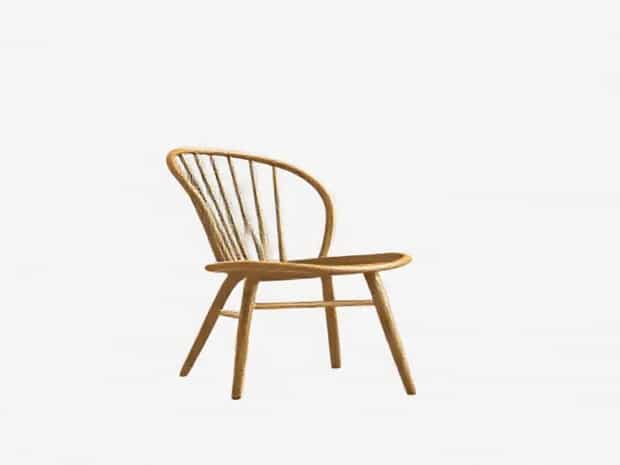
J And J Kohn Bentwood Chair
The J and J Kohn bentwood chair represents a remarkable fusion of craftsmanship, design innovation, and historical significance in furniture making. Known for its elegant curves, lightweight structure, and durable construction, the bentwood chair has remained a symbol of both style and practicality for over a century. Originally developed in the 19th century, the techniques used by J and J Kohn elevated the art of bentwood furniture, setting high standards for quality and aesthetic appeal. These chairs not only reflect exceptional woodworking skill but also embody the cultural and artistic values of their time. Collectors and enthusiasts today continue to admire J and J Kohn bentwood chairs for their timeless design, structural ingenuity, and versatile functionality in both home and commercial settings.
History of J and J Kohn Bentwood Chairs
J and J Kohn, an Austrian furniture company founded in the mid-19th century, played a pivotal role in popularizing bentwood furniture. The company was established by Jacob and Josef Kohn, who recognized the potential of bentwood techniques pioneered by Michael Thonet. Thonet’s methods involved steaming and bending wood into graceful, flowing shapes, creating chairs that were both lightweight and remarkably strong. J and J Kohn adopted and refined these techniques, producing furniture that combined elegance with mass production efficiency. By the late 19th and early 20th centuries, the J and J Kohn bentwood chair had become highly sought after, appearing in cafes, hotels, and private homes across Europe and beyond.
Design Characteristics
The J and J Kohn bentwood chair is immediately recognizable due to its signature curves and smooth lines. Crafted from high-quality beech or other flexible hardwoods, the chair features a gently curved backrest and a rounded seat, designed for comfort and ergonomic support. The use of steam-bent wood allows for continuous curves without compromising the strength of the chair, resulting in a structure that is both aesthetically pleasing and durable. Some models feature intricate detailing or decorative elements, such as perforated backrests or carved motifs, while others prioritize minimalism and functional elegance. The lightweight construction makes the chair easy to move, a practical feature that contributed to its popularity in cafés and public spaces.
Manufacturing Process
Creating a J and J Kohn bentwood chair requires precision, patience, and skill. The process begins with selecting the finest wood, typically beech, which is known for its flexibility and strength. The wood is then steamed to soften it, allowing craftsmen to bend it into the desired shape without cracking or splitting. The bentwood components are assembled using joints, screws, and sometimes adhesives, ensuring stability and longevity. Once assembled, the chair is sanded, polished, or lacquered to achieve a smooth finish that highlights the natural beauty of the wood. The combination of traditional handcrafting techniques with early industrial production methods allowed J and J Kohn to produce chairs that were both high quality and widely accessible.
Styles and Variations
Over the years, J and J Kohn produced a wide range of bentwood chair styles, catering to different tastes and functional needs. Classic models often feature simple, curved backrests and round seats, suitable for dining areas or cafés. More elaborate designs include intricate carvings, perforated patterns, and upholstered seats, adding luxury and comfort for residential or formal settings. Some chairs were created in sets, with matching tables and armchairs, creating coordinated furniture ensembles. The versatility of the bentwood technique allowed J and J Kohn to experiment with shapes and sizes, producing chairs that could fit small spaces, large dining rooms, or public venues. Today, these variations are highly collectible, with certain models commanding premium prices among antique enthusiasts.
Impact on Furniture Design
The J and J Kohn bentwood chair significantly influenced furniture design in the late 19th and early 20th centuries. Its elegant curves, lightweight construction, and functional design inspired countless other manufacturers and designers. The chair exemplifies the modernist principle of combining form and function, demonstrating that practical furniture can also be aesthetically striking. Bentwood chairs from J and J Kohn are often studied in design schools as examples of innovation in material usage and ergonomics. Their success helped establish bentwood furniture as a mainstay in European interiors, cafés, and public spaces, leaving a lasting legacy that continues to inspire contemporary designers.
Collecting and Valuing J and J Kohn Chairs
Today, J and J Kohn bentwood chairs are highly valued by collectors, historians, and interior designers. Authentic pieces are often identifiable by stamps, labels, or specific design features characteristic of the company. The condition, rarity, and model type greatly influence the value, with original, well-preserved chairs fetching high prices at auctions and antique stores. Collectors appreciate the craftsmanship, historical significance, and timeless aesthetic, while designers often incorporate these chairs into modern interiors for a touch of classic elegance. Restoring or maintaining J and J Kohn chairs requires care, using appropriate cleaning and polishing techniques to preserve the wood without damaging the original finish.
Modern Applications and Use
Despite being over a century old, the design principles of the J and J Kohn bentwood chair remain relevant today. These chairs continue to be used in cafés, restaurants, and homes around the world. Their lightweight yet durable structure makes them ideal for commercial spaces, where chairs are frequently moved or rearranged. In residential settings, they provide stylish and comfortable seating while adding a touch of history and sophistication. Contemporary furniture makers also draw inspiration from J and J Kohn, creating modern interpretations of bentwood chairs that blend traditional craftsmanship with contemporary materials and finishes.
Care and Maintenance
Maintaining a J and J Kohn bentwood chair ensures it remains both functional and visually appealing for years to come. Regular dusting and cleaning with a soft cloth help preserve the wood’s natural luster. Avoid exposing the chair to excessive moisture or direct sunlight, as this can cause warping or fading. For older or antique pieces, professional restoration may be necessary to repair minor damage or refinish the surface while maintaining the chair’s authenticity. Proper care not only enhances durability but also protects the investment, especially for collectible models that may increase in value over time.
The J and J Kohn bentwood chair stands as a testament to innovative design, meticulous craftsmanship, and enduring style. Its graceful curves, lightweight construction, and versatile functionality have made it a beloved piece of furniture for over a century. From its historical roots in 19th-century Austria to its continued relevance in modern interiors, the bentwood chair exemplifies the perfect balance between form and function. Collectors, designers, and homeowners alike value these chairs for their aesthetic appeal, durability, and cultural significance. Whether used in a contemporary dining room, a bustling café, or as part of a collectible furniture collection, the J and J Kohn bentwood chair remains a symbol of timeless elegance and practical design excellence.