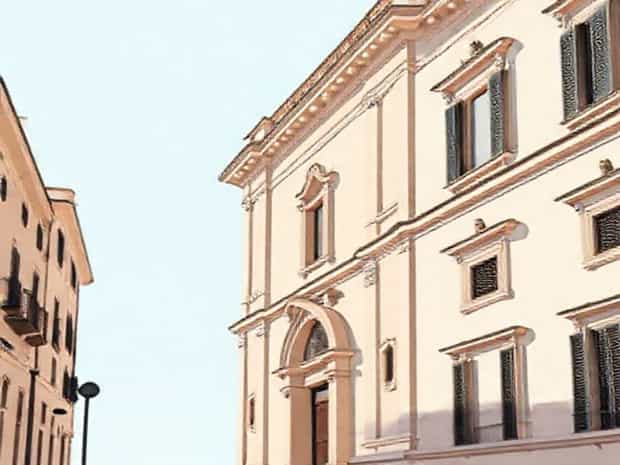
Italianate Architecture Time Period
The Italianate architectural style emerged as one of the most influential movements of the 19th century, leaving a lasting mark on residential, commercial, and civic buildings across Europe, North America, and beyond. Characterized by its romantic interpretation of Italian Renaissance villas, the style emphasized ornate detailing, low-pitched roofs, wide eaves with decorative brackets, and tall, narrow windows. While Italianate architecture drew inspiration from classical Italian forms, it was adapted to suit local materials, climates, and cultural preferences, creating a distinctive yet versatile aesthetic that became highly popular during its time period.
Origins of Italianate Architecture
The Italianate style first emerged in the early 19th century as part of the broader Picturesque movement, which valued irregularity, asymmetry, and a harmonious relationship between buildings and their landscapes. Architects like John Nash in England began designing villas that mimicked the rural farmhouses and palaces of Italy, incorporating classical elements in a relaxed, informal manner. This style soon spread to other countries, particularly the United States, where it became a preferred style for suburban homes, urban townhouses, and public buildings from the 1840s through the 1880s.
Key Features of Italianate Architecture
- Low-pitched or flat roofs with wide, overhanging eaves
- Decorative brackets or corbels supporting the eaves
- Tall, narrow windows, often with arched or curved tops
- Elaborate window crowns and door surrounds
- Square towers or cupolas in larger buildings
- Emphasis on vertical proportions and symmetry
Italianate Architecture in England
In England, the Italianate style became particularly popular during the 1830s and 1840s. Architects sought to create buildings that were picturesque and elegant, often situated in landscaped gardens. Country houses and urban villas incorporated stucco facades, classical columns, and detailed cornices, drawing from the Italian Renaissance while embracing the English taste for decorative intricacy. The style was frequently employed in civic architecture as well, including town halls, libraries, and railway stations, which adopted Italianate elements to convey sophistication and grandeur.
Notable Examples in England
- Osborne House, Isle of Wight – designed by Prince Albert and Thomas Cubitt
- St Pancras Renaissance Hotel, London – an early influence on Italianate decorative motifs
- Various country villas designed by architects influenced by John Nash
Italianate Architecture in the United States
The Italianate style reached the United States in the 1840s and quickly became a dominant architectural trend, lasting through the 1880s. American architects adapted the style to suit local materials like brick and wood, often painting wooden structures to resemble stone. Italianate homes were characterized by their tall, narrow windows, cupolas, and extensive decorative brackets under the eaves. In urban areas, townhouses adopted Italianate detailing to provide elegance and ornamentation, while in rural settings, larger villas and mansions displayed towers and expansive porches.
Prominent American Examples
- The A.J. Downing Villas – inspired the popularization of Italianate residential design
- The Carson Mansion, California – a flamboyant example of Italianate design with a tower and ornate detailing
- Townhouses in Boston and New York – numerous examples of Italianate row houses built between 1850 and 1880
Italianate in Civic and Commercial Buildings
Beyond residential architecture, the Italianate style was widely used for civic and commercial buildings during the mid-19th century. Town halls, banks, and railway stations incorporated Italianate features to convey prestige and permanence. Wide eaves with brackets, arched windows, and imposing facades created a sense of grandeur suitable for public architecture. The versatility of the style allowed it to be adapted for both small-town and metropolitan contexts, helping it become a preferred aesthetic for institutional and commercial projects during its peak period.
Architectural Elements in Public Buildings
- Elaborate cornices and moldings to emphasize rooflines
- Arched windows and doors, often with decorative keystones
- Towers or cupolas as focal points in civic architecture
- Stone or brick facades enhanced with stucco or plaster detailing
Decline of Italianate Architecture
By the late 19th century, the popularity of Italianate architecture began to decline as new styles, such as Queen Anne and Beaux-Arts, became fashionable. Changes in building technology, materials, and tastes favored more eclectic and often more asymmetrical designs. However, the Italianate style left a lasting legacy, influencing other revivalist movements and preserving a record of mid-19th-century aesthetic preferences. Many Italianate homes and civic buildings remain in use today, serving as cultural and historical landmarks that reflect the sophistication and elegance of the era.
Legacy and Preservation
- Italianate homes continue to be restored and preserved as historic landmarks
- Civic buildings from the period often retain original decorative brackets, cornices, and window detailing
- The style influenced later revivalist trends in architecture, including Renaissance Revival and Second Empire styles
- Urban neighborhoods across the United States and England feature Italianate row houses and villas
The Italianate architectural time period, spanning roughly from the 1830s to the 1880s, represents a critical moment in the evolution of architectural design. Combining elements of Italian Renaissance villas with local adaptations, the style created buildings that were both elegant and versatile. Its influence was felt across residential, civic, and commercial architecture, leaving a legacy that continues to be appreciated today. Understanding the Italianate style helps us recognize the ways in which 19th-century architects balanced classical inspiration with innovative design, resulting in structures that remain visually striking and historically significant more than a century later.