Is The Perseid Meteor Shower Every Year?
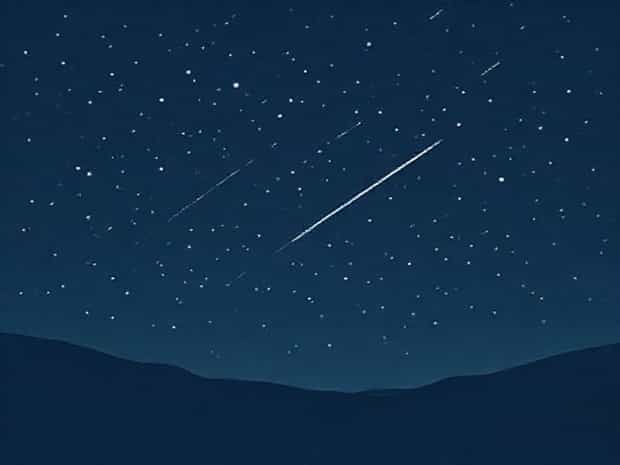
Every year, people around the world eagerly look forward to one of the most famous and reliable meteor showers the Perseid meteor shower. Known for its bright streaks of light and high number of visible meteors per hour, this annual event captures the imagination of skywatchers, families, and astronomy enthusiasts alike. The Perseids are not just beautiful to watch; they are also fascinating from a scientific point of view, as they connect us directly with the trail of debris left behind by a comet thousands of years ago. Understanding whether the Perseid meteor shower happens every year, why it does, and how to best observe it gives us a deeper appreciation for this natural celestial performance.
What Causes the Perseid Meteor Shower?
The Perseid meteor shower is caused by Earth passing through the debris left behind by Comet Swift-Tuttle. This comet orbits the Sun once every 133 years, leaving a long trail of dust, ice, and rock fragments in its path. When Earth moves through this trail, tiny ptopics enter our atmosphere at incredible speeds, burning up due to friction with the air and creating the bright streaks we call meteors.
Because the comet’s trail is stable and wide, Earth crosses it at the same time each year, making the Perseid meteor shower a predictable annual event. This is one reason the Perseids are among the most popular meteor showers they never fail to appear in mid-August.
Is the Perseid Meteor Shower Every Year?
Yes, the Perseid meteor shower occurs every year without exception. It typically peaks between August 11 and August 13, though meteors can often be seen as early as late July and as late as the third week of August. The annual consistency of this meteor shower is due to Earth’s orbit around the Sun, which always brings it into contact with the debris stream of Comet Swift-Tuttle during the same time frame.
While the shower happens annually, the intensity and number of meteors can vary from year to year depending on several factors, such as the density of debris in the comet’s trail and local viewing conditions like moonlight and weather.
Why Are the Perseids So Popular?
The Perseids are widely regarded as the most exciting meteor shower of the year for several reasons
- High meteor countAt their peak, the Perseids can produce between 50 to 100 meteors per hour under ideal dark-sky conditions.
- BrightnessMany of the meteors are bright and leave glowing trails, making them easy to spot even for casual observers.
- TimingOccurring in August, the Perseids take place during summer in the Northern Hemisphere, when nights are warm and comfortable for outdoor viewing.
- ReliabilityUnlike some showers that vary widely in intensity, the Perseids are known to put on a good show nearly every year.
Scientific Importance of the Perseids
Beyond their beauty, the Perseid meteor shower provides valuable scientific information. Meteor showers allow scientists to study the composition of comet debris and the way meteoroids interact with Earth’s atmosphere. The Perseids, in particular, are linked to Comet Swift-Tuttle, which is considered one of the larger comets that passes relatively close to Earth. Its debris offers clues about the origins of comets and the solar system itself.
Best Time to View the Perseids
For those wondering when to watch, the Perseid meteor shower is best observed during its peak nights in mid-August. The meteors are typically most visible after midnight, when the sky is darkest and the radiant point the region of the sky from which the meteors appear to originate is higher above the horizon.
The radiant point is located in the constellation Perseus, which is how the Perseids got their name. However, meteors can streak across any part of the sky, so it is best to lie back and take in as wide a view as possible rather than focusing only on Perseus.
How to Get the Best Viewing Experience
Watching the Perseid meteor shower can be magical, but the experience is greatly enhanced by preparation. Here are some tips for observing
- Find a location far from city lights to reduce light pollution.
- Allow at least 20 minutes for your eyes to adjust to the darkness.
- Bring a blanket or reclining chair to stay comfortable while looking up for extended periods.
- Avoid using your phone or any bright light source, as it will reduce night vision.
- Check the lunar phase; a bright full moon can wash out many meteors, while a new moon offers the darkest skies.
Why the Perseids Repeat Every Year
The Perseids repeat annually because of the predictable nature of Earth’s orbit and the stable debris field left behind by Comet Swift-Tuttle. Just as the seasons repeat each year when Earth returns to the same position in its orbit, meteor showers occur when Earth passes through consistent points in space filled with cometary material.
In the case of the Perseids, this debris has been present for centuries. Even though Comet Swift-Tuttle itself only passes by Earth once every 133 years, the debris it left behind ensures that the meteor shower continues uninterrupted every August.
Variations in Intensity
Although the Perseid meteor shower occurs every year, not every year looks the same. The number of meteors visible can vary depending on
- Thickness of the debris streamIn some years, Earth may pass through denser areas of the comet’s trail, resulting in higher meteor counts.
- MoonlightIf a full moon coincides with the peak nights, fewer meteors will be visible due to reduced contrast in the night sky.
- Weather conditionsCloud cover, humidity, and local haze can also impact visibility.
Nevertheless, even in less-than-perfect years, the Perseids remain one of the most reliable showers for producing visible meteors.
Historical and Cultural Significance
The Perseid meteor shower has been observed for thousands of years. Ancient records from both Asia and Europe mention the annual streaks of light in the August sky. In some cultures, the Perseids were considered a sign of good fortune, while others associated them with religious events. Today, they remain one of the most celebrated skywatching events, often inspiring gatherings, festivals, and special viewing parties around the world.
The Perseid meteor shower is indeed an annual event, occurring every year as Earth passes through the dust trail of Comet Swift-Tuttle. Its reliability, high meteor counts, and beautiful displays make it one of the most anticipated celestial events of the year. While factors like moonlight and weather can affect how many meteors you see, the Perseids never fail to put on a show. Whether you are a seasoned astronomer or simply someone who enjoys gazing at the night sky, watching the Perseid meteor shower connects you to a natural wonder that has inspired humanity for centuries and will continue to do so for generations to come.