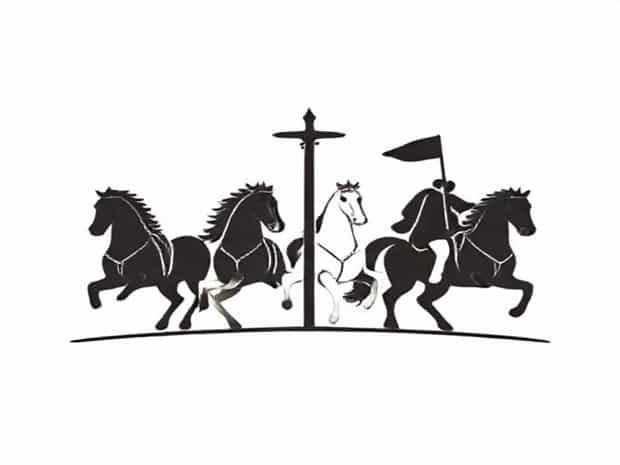
Is The Four Horsemen In The Bible?
Throughout history, few biblical images have stirred as much fascination, mystery, and even fear as the Four Horsemen. They are often depicted in literature, art, and popular culture as symbols of chaos and the end of the world. But the question remains is the Four Horsemen in the Bible? To answer this, one must look closely at the book of Revelation, where their description is given, and explore how Christians have interpreted their meaning throughout centuries. Understanding their role in scripture requires not only reading the passage but also examining the symbolism and theological debates that surround them.
The Appearance of the Four Horsemen in Scripture
The Four Horsemen are indeed found in the Bible, specifically in the New Testament book of Revelation. They appear in Revelation 61-8, when the Lamb who represents Jesus Christ opens the first four seals of a scroll. Each opened seal reveals a horse and its rider, each carrying a symbolic role related to judgment, calamity, or testing of humanity.
The Four Horsemen Described
- The White HorseIts rider carries a bow and is given a crown. Interpretations vary, with some seeing this as conquest, others as false peace, and still others as a symbol of the gospel spreading.
- The Red HorseIts rider is granted the power to take peace from the earth and is given a large sword. This horseman is most often understood as representing war and bloodshed.
- The Black HorseIts rider holds a pair of scales in his hand. He is associated with famine and economic hardship, as prices for food are described as inflated and unfair.
- The Pale HorseIts rider is named Death, and Hades follows close behind. This figure represents death by plague, disease, and widespread devastation.
This passage is highly symbolic, and interpretations differ depending on theological traditions. Nonetheless, the text clearly presents the Four Horsemen as a biblical image tied to divine judgment and end-time prophecy.
Symbolism Behind the Horsemen
When asking if the Four Horsemen are in the Bible, it is important to understand that they are not described as literal figures who roam the earth. Instead, they are rich symbols meant to communicate deeper truths about God’s judgment, human rebellion, and the fragility of earthly systems.
The White Horse
The most debated of the four, the white horse is sometimes interpreted as Christ himself, representing victory and the triumph of the gospel. Others argue it symbolizes conquest through deception, pointing to figures who bring false peace. The duality of this symbol makes it one of the most intriguing and complex of the horsemen.
The Red Horse
War has always been a destructive force in human history. The red horse represents not only physical battles but also the broader violence and division that arise when peace is stripped from the earth. It is a reminder of the consequences of human pride and conflict.
The Black Horse
The rider with scales shows how famine and economic imbalance affect societies. Food shortages, inflated costs, and inequities in survival all point to a deeper theme when resources are not distributed fairly, suffering increases dramatically.
The Pale Horse
The pale horse, often described as having a sickly greenish hue, stands as the culmination of human suffering. Death and disease follow in its wake, emphasizing mortality and the consequences of sin. It is perhaps the most chilling image among the four.
Historical and Theological Interpretations
Since Revelation is filled with apocalyptic imagery, Christians have interpreted the Four Horsemen in different ways throughout history. Their meaning is not universally agreed upon, but certain themes recur in major schools of interpretation.
Preterist View
This perspective sees the Four Horsemen as symbols of events that happened in the first century, such as the fall of Jerusalem, Roman oppression, and early persecutions of Christians. For preterists, the horsemen describe historical realities rather than future predictions.
Futurist View
Many Christians, especially in evangelical circles, interpret the Four Horsemen as future events that will unfold during the end times. They see them as a preview of global crises that precede Christ’s return, including war, famine, and widespread death.
Historicist View
This interpretation reads the Four Horsemen as symbolic of different eras in church history. Each horseman corresponds to a particular age, representing the challenges and judgments experienced by humanity over time.
Idealist View
The idealist approach sees the Four Horsemen as timeless symbols of human suffering and divine judgment. Rather than focusing on specific dates, this perspective interprets them as reminders of recurring struggles that all generations face.
The Cultural Impact of the Four Horsemen
Even outside religious circles, the image of the Four Horsemen has had a profound influence. They appear in art, literature, movies, and music as representations of destruction and the end of the world. From medieval paintings to modern films, the horsemen remain a powerful symbol of human vulnerability and the uncertainty of the future.
For Christians, however, their importance lies not in popular culture but in what they reveal about the seriousness of God’s judgment and the call to repentance. The Four Horsemen serve as a sobering reminder that earthly powers and human pride will not last forever.
Lessons for Believers Today
When considering whether the Four Horsemen are in the Bible, the answer is yes but the more pressing question is how believers should respond to their message. The imagery is not meant to inspire fear alone but to encourage readiness, faith, and dependence on God.
Spiritual Takeaways
- Trust God’s SovereigntyThe horsemen appear only when the Lamb opens the seals, showing that God remains in control even during times of chaos.
- Stay Spiritually AlertThe imagery calls Christians to stay vigilant and not be lulled into complacency about spiritual matters.
- Repentance and FaithThe Four Horsemen remind humanity of the reality of sin and the need for reconciliation with God through Christ.
- Hope in ChristThough the imagery is sobering, Revelation ultimately points to the victory of Jesus and the promise of a new heaven and earth.
So, is the Four Horsemen in the Bible? The answer is yes they are vividly described in Revelation 6 as part of the opening of the first four seals. Whether seen as past events, future predictions, or timeless symbols, they serve as a striking reminder of the seriousness of God’s judgment and the fragility of human systems. For believers, their meaning goes beyond fear; it is a call to faith, vigilance, and trust in God’s sovereignty. In the end, the Four Horsemen are not just a haunting vision of destruction but also a reminder that Christ, the Lamb who opens the seals, holds authority over all history and all creation.