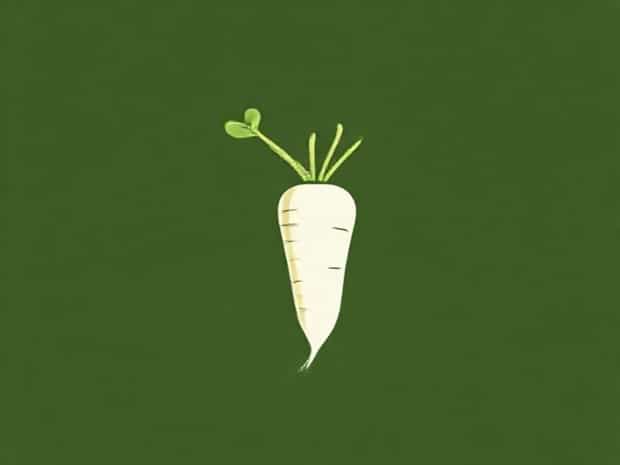
Is Parsnip A Root Vegetable
Parsnips are a versatile and often overlooked vegetable that has been cultivated for centuries for both culinary and nutritional purposes. Many people wonder if parsnip is a root vegetable, given its appearance and growth habits. Understanding the classification of parsnip as a root vegetable involves exploring its botanical characteristics, nutritional profile, culinary uses, and differences from other vegetables. This knowledge can help gardeners, cooks, and health-conscious individuals make informed decisions about including parsnips in their diet and appreciating their unique flavor and benefits.
What is a Parsnip?
Parsnip (Pastinaca sativa) is a biennial plant in the Apiaceae family, which also includes carrots, celery, and parsley. It is cultivated primarily for its edible taproot, which stores nutrients and starches essential for the plant’s growth. Parsnips are typically creamy white or pale yellow in color, with a long, tapered shape similar to carrots. They develop a sweet, nutty flavor, especially after exposure to cold temperatures, which converts starches into sugars. This characteristic makes parsnips a popular ingredient in soups, stews, roasted vegetable dishes, and even purees.
Botanical Characteristics
- Plant TypeBiennial, usually harvested in its first year for the root.
- FamilyApiaceae, related to carrots, parsnips, and parsley.
- RootTaproot, which is thick, elongated, and stores nutrients.
- LeavesFern-like and green, growing above the soil while the root develops underground.
Is Parsnip a Root Vegetable?
Yes, parsnip is classified as a root vegetable. Root vegetables are plants in which the edible portion grows underground, storing energy in the form of carbohydrates. This energy storage allows the plant to survive adverse conditions and regrow in subsequent seasons. The parsnip’s taproot is the primary edible part and is rich in nutrients, including complex carbohydrates, fiber, vitamins, and minerals. Because the root is the main focus for culinary use, parsnip falls squarely into the root vegetable category, similar to carrots, turnips, and beets.
Definition of Root Vegetables
- Edible Underground PartThe main portion of the plant consumed is the root.
- Nutrient StorageRoots store starch, sugars, and other nutrients to support plant growth.
- Growth HabitGrows underground while leaves and stems develop above the soil.
- ExamplesCarrots, parsnips, radishes, turnips, and sweet potatoes.
Nutritional Benefits of Parsnips
Parsnips are not only versatile in cooking but also highly nutritious. They are low in fat and calories while providing a rich source of dietary fiber, which promotes digestive health. Parsnips contain essential vitamins such as vitamin C, vitamin K, and several B vitamins, along with minerals like potassium, magnesium, and manganese. Their natural sweetness makes them a healthier alternative to starchy snacks and desserts. Including parsnips in a balanced diet can contribute to overall wellness, supporting heart health, immune function, and proper digestion.
Key Nutrients in Parsnips
- Dietary FiberSupports digestion and can help maintain healthy blood sugar levels.
- Vitamin CEnhances immune system function and supports collagen production.
- PotassiumHelps regulate blood pressure and supports muscle function.
- AntioxidantsCompounds that help protect cells from oxidative stress.
Culinary Uses of Parsnips
Parsnips are highly versatile in the kitchen and can be prepared in a variety of ways. They can be roasted, mashed, boiled, steamed, or incorporated into soups and stews. Roasting parsnips with herbs and olive oil brings out their natural sweetness and caramelized flavor. Mashing parsnips offers a creamy texture that complements meats and other vegetables. Additionally, parsnips can be pureed into soups or added to casseroles for both flavor and nutrition. Their compatibility with savory and sweet dishes makes them a staple in many traditional and contemporary recipes.
Popular Cooking Methods
- RoastingEnhances sweetness and develops a caramelized exterior.
- Boiling and MashingCreates a creamy, versatile side dish.
- Soups and StewsAdds texture, flavor, and nutrients.
- BakingCan be used in vegetable gratins or mixed roasted dishes.
Parsnip vs Other Root Vegetables
While parsnips share similarities with other root vegetables like carrots and turnips, they have distinct qualities that set them apart. Parsnips tend to be sweeter and have a nuttier flavor, particularly after exposure to frost. They are generally longer and more tapered than turnips and have a lighter, creamy color compared to carrots. These characteristics influence both flavor and texture, making parsnips suitable for specific culinary applications where sweetness and smoothness are desired.
Comparative Characteristics
- CarrotsTypically orange, slightly sweet, firmer texture.
- TurnipsRound, white and purple, slightly peppery taste.
- ParsnipsCreamy white, tapered, naturally sweet and nutty.
Growing and Harvesting Parsnips
Parsnips are cool-season crops that thrive in temperate climates. They are usually sown in early spring and harvested in late autumn or after the first frost. The cold exposure enhances their sweetness, making them more flavorful than parsnips harvested in warmer months. Parsnips prefer deep, loose soil to accommodate their long taproots and require consistent moisture for optimal growth. Harvesting involves carefully lifting the roots from the soil to avoid damage, as broken or bruised roots may deteriorate quickly.
Growing Tips
- Sow seeds in early spring for a fall harvest.
- Use deep, well-drained soil to encourage long taproots.
- Thin seedlings to allow adequate space for root development.
- Harvest after frost for maximum sweetness and flavor.
parsnip is indeed a root vegetable, characterized by its edible taproot, nutrient-rich composition, and underground growth habit. Its unique sweet and nutty flavor sets it apart from other root vegetables, making it a versatile ingredient in a variety of culinary applications. Parsnips offer significant nutritional benefits, including fiber, vitamins, and minerals, while their adaptability allows for roasting, mashing, pureeing, or incorporation into soups and stews. Whether grown in a garden or purchased from the market, parsnips provide a healthy, flavorful option for anyone looking to include more root vegetables in their diet.
Understanding the classification, nutritional value, and culinary potential of parsnips helps both gardeners and cooks appreciate this often-underutilized vegetable. Its combination of sweetness, texture, and health benefits makes it a staple in root vegetable dishes, ensuring that parsnip remains a versatile and valuable component of a balanced diet. By recognizing parsnip as a root vegetable, you can explore new recipes and enjoy the rich flavors that this classic vegetable brings to the table.