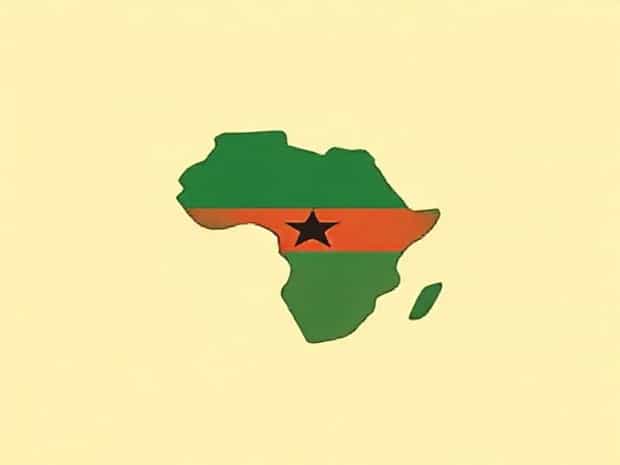
Is Ghana In Sub Saharan Africa
Ghana is a West African country known for its rich history, vibrant culture, and strategic role in the African continent’s economy and politics. Many people often ask whether Ghana is part of Sub-Saharan Africa, reflecting the broader interest in understanding African geography, regional classifications, and socio-economic contexts. Ghana’s location, climate, culture, and political affiliations provide clear evidence that it is indeed part of Sub-Saharan Africa. Examining Ghana’s geographic position, economic ties, historical context, and regional grouping helps clarify its place within this important African subregion.
Geographical Location of Ghana
Ghana is situated on the western coast of Africa, bordered by Côte d’Ivoire to the west, Burkina Faso to the north, Togo to the east, and the Gulf of Guinea to the south. This positioning places Ghana squarely within Sub-Saharan Africa, which generally refers to all African countries located south of the Sahara Desert. The country occupies a land area of approximately 238,533 square kilometers and features diverse landscapes including coastal plains, forests, and savannah regions. Its southern coastal region provides access to the Atlantic Ocean, while the northern regions connect to the broader West African interior.
Definition of Sub-Saharan Africa
Sub-Saharan Africa is a term used to describe the portion of Africa that lies south of the Sahara Desert. It includes countries from West, Central, East, and Southern Africa. This region is distinguished from North Africa, which has closer historical, cultural, and geographic ties to the Mediterranean and the Arab world. Sub-Saharan Africa is characterized by diverse climates ranging from tropical rainforests to savannahs, as well as by a wide variety of ethnic groups, languages, and cultures. Ghana’s location in West Africa clearly places it within this subregion.
Historical Context and Ghana’s Place in Sub-Saharan Africa
Historically, Ghana has played a central role in West Africa. The ancient Ghana Empire, though not geographically identical to modern Ghana, influenced the cultural and trade networks of West Africa. Modern Ghana gained independence from British colonial rule in 1957, becoming the first Sub-Saharan African country to achieve independence in the post-colonial era. Ghana’s history of trade, colonial influence, and post-independence development aligns it with the broader narrative of Sub-Saharan Africa, distinguishing it from North African nations with distinct historical trajectories.
Economic and Regional Affiliations
Ghana is an active member of several regional organizations that define Sub-Saharan Africa’s economic and political landscape. It is a member of the Economic Community of West African States (ECOWAS), which includes countries from West Africa, and plays a role in initiatives that promote trade, peacekeeping, and regional integration. Ghana is also part of the African Union, a continent-wide organization that includes both Sub-Saharan and North African countries. These affiliations demonstrate Ghana’s active participation in the socio-economic and political frameworks characteristic of Sub-Saharan Africa.
- ECOWAS MembershipGhana works with neighboring countries to strengthen regional trade and security.
- African Union ParticipationGhana contributes to continent-wide development and policy initiatives.
- Trade NetworksGhana’s economy relies heavily on trade with other Sub-Saharan African countries.
Demographics and Cultural Significance
Ghana’s demographics further align it with Sub-Saharan Africa. The country is home to more than 30 million people, with over 100 ethnic groups including the Akan, Mole-Dagbani, Ewe, and Ga-Adangbe. English is the official language due to colonial influence, but indigenous languages remain widely spoken. Traditional music, dance, festivals, and social structures reflect Sub-Saharan African cultural patterns. Ghana’s population distribution, language use, and cultural heritage reinforce its identity as part of Sub-Saharan Africa rather than North Africa.
Climate and Ecology
Ghana’s climate and ecology are characteristic of Sub-Saharan Africa. The country experiences tropical climates with distinct wet and dry seasons. Its southern regions have rainforests and coastal ecosystems, while the northern regions feature savannahs and grasslands. These environmental features support diverse flora and fauna typical of Sub-Saharan Africa and differ from the arid, desert climates of North African countries such as Egypt, Libya, and Morocco. Ghana’s geography and climate underscore its placement within the Sub-Saharan ecological zone.
Ghana’s Political Identity in Sub-Saharan Africa
Politically, Ghana is considered a stable democracy within the Sub-Saharan African context. It has a multi-party system, regular elections, and a history of peaceful transitions of power, which is notable in the region. Ghana often serves as a model for democratic governance in West Africa and Sub-Saharan Africa at large. Its active involvement in regional peacekeeping missions, continental policy discussions, and international development programs emphasizes its role as a key Sub-Saharan African nation.
International Relations
Ghana maintains diplomatic relations with countries both within and outside Africa. It collaborates with Sub-Saharan African neighbors on issues such as trade, climate change, and health initiatives. At the same time, Ghana engages with North African nations through the African Union and pan-African projects. While connected globally, Ghana’s primary economic and political interactions are deeply rooted in Sub-Saharan Africa, highlighting its regional identity.
Ghana is undeniably part of Sub-Saharan Africa, based on its geographic location, historical context, demographic patterns, cultural heritage, climate, and political affiliations. Located on the western coast of Africa, south of the Sahara Desert, Ghana shares common socio-economic and cultural characteristics with other Sub-Saharan African countries. Its participation in regional organizations such as ECOWAS and the African Union further reinforces its identity as a Sub-Saharan nation. Understanding Ghana’s place in this region helps contextualize its history, economy, culture, and international relations.
In summary, Ghana’s location south of the Sahara Desert, its membership in West African and continental organizations, its tropical climate, and its rich cultural diversity all confirm that it is part of Sub-Saharan Africa. Recognizing Ghana as a Sub-Saharan country is important for studies of African geography, politics, and socio-economic development. Its history of independence, democratic governance, and regional engagement makes Ghana a prominent example of Sub-Saharan African nations that continue to shape the continent’s future.