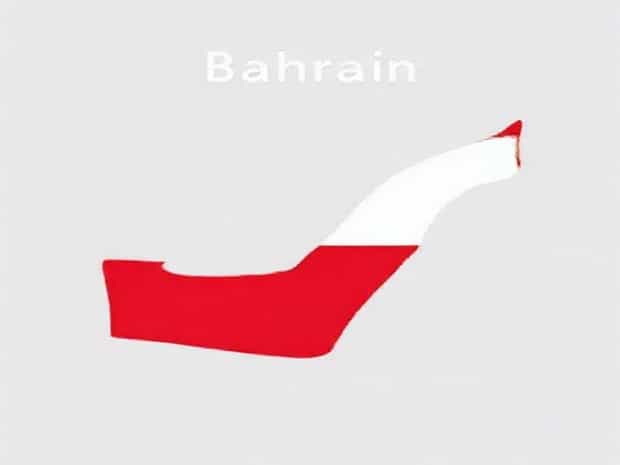
Is Bahrain A Country
Bahrain is often a topic of curiosity for many people around the world, especially those interested in geography, politics, and Middle Eastern culture. Some may wonder whether Bahrain is officially recognized as a country, given its relatively small size and unique location in the Persian Gulf. Understanding Bahrain’s status, history, governance, and cultural significance helps clarify its identity as a sovereign nation. This topic explores various aspects of Bahrain, confirming its status as a country and providing a detailed overview of its political structure, economy, geography, and international relationships.
Geographical Location
Bahrain is an island nation situated in the Persian Gulf, near the eastern coast of Saudi Arabia. It consists of a group of islands, with the largest being Bahrain Island, where the capital city, Manama, is located. Despite its small land area, Bahrain holds strategic importance due to its position in the Gulf region. Its proximity to major oil-producing countries, shipping routes, and regional powers makes it significant in both economic and geopolitical contexts.
Topography and Climate
The terrain of Bahrain is mostly flat, with some low hills and desert landscapes. The country experiences a hot desert climate, characterized by extremely hot summers and mild winters. Rainfall is scarce and irregular, which has influenced Bahrain’s reliance on desalination plants and water management strategies. The islands’ climate and geography shape the lifestyle of the population, as well as agriculture and industry in the region.
Political Status
Bahrain is officially recognized as a sovereign country. It has its own government, constitution, and political institutions. Bahrain is a constitutional monarchy, with a king serving as the head of state. The monarchy is responsible for appointing the prime minister, cabinet members, and other key officials. Additionally, Bahrain has a bicameral legislature consisting of the Consultative Council and the Council of Representatives, which participate in lawmaking and policy discussions.
Historical Background
The modern state of Bahrain gained independence from British protection in 1971. Prior to that, Bahrain was a British protectorate, which helped maintain its autonomy while providing security and foreign policy oversight. Independence allowed Bahrain to establish its own national identity, create governmental institutions, and engage in international diplomacy. Since then, Bahrain has maintained its sovereignty and developed relationships with countries around the world.
Population and Culture
Bahrain is home to a diverse population that includes native Bahrainis and expatriates from various countries. Arabic is the official language, while English is widely spoken in business, education, and government contexts. Islam is the predominant religion, and it plays a central role in shaping the country’s culture, laws, and social norms. Bahrain is known for its rich heritage, including traditional music, dance, architecture, and cuisine. Cultural festivals and religious events are important aspects of social life in Bahrain.
Urban Centers
Manama, the capital city, is the political, economic, and cultural hub of Bahrain. It hosts government institutions, international embassies, and major financial centers. Other cities, such as Riffa, Muharraq, and Hamad Town, contribute to the country’s urban and economic landscape. The concentration of population in these cities supports infrastructure development, education, healthcare, and commerce, reinforcing Bahrain’s identity as a functioning sovereign nation.
Economy and Industry
Bahrain has a diversified economy that extends beyond oil production, which was historically the foundation of its wealth. Today, finance, banking, tourism, and telecommunications are key sectors. Bahrain is recognized as a financial hub in the Gulf region, with numerous international banks, insurance companies, and investment firms operating within its borders. Additionally, tourism plays a significant role, with visitors attracted to Bahrain’s historical sites, cultural events, and modern attractions.
Natural Resources
While Bahrain’s oil reserves are smaller compared to neighboring countries like Saudi Arabia and Kuwait, petroleum and natural gas remain important economic contributors. The country has invested in alternative industries to ensure long-term economic stability. Manufacturing, aluminum production, and services are areas that continue to expand, demonstrating Bahrain’s adaptability and strategic planning in national development.
International Relations
Bahrain maintains diplomatic relations with countries worldwide and is a member of several international organizations, including the United Nations and the Gulf Cooperation Council (GCC). Its foreign policy focuses on regional security, economic cooperation, and cultural exchange. Bahrain’s recognition as a sovereign country allows it to participate in international agreements, trade deals, and global forums, further solidifying its status as a recognized nation-state.
Regional Role
Within the Gulf region, Bahrain plays a role in fostering economic partnerships and political dialogue. Its strategic location and established financial sector make it a key player in regional initiatives. Bahrain collaborates with neighboring countries on issues such as trade, energy, and security, while also hosting international conferences and cultural events that enhance its global profile.
Bahrain is undeniably a country. It possesses all the essential characteristics of a sovereign nation, including defined territory, a stable government, recognized borders, and participation in international affairs. Its rich history, cultural heritage, strategic location, and diversified economy further reinforce its legitimacy as an independent state. Understanding Bahrain as a country provides valuable context for its role in global politics, regional dynamics, and international commerce. By recognizing Bahrain’s status, one gains a clearer perspective on its contributions to the world and its importance within the Middle East.