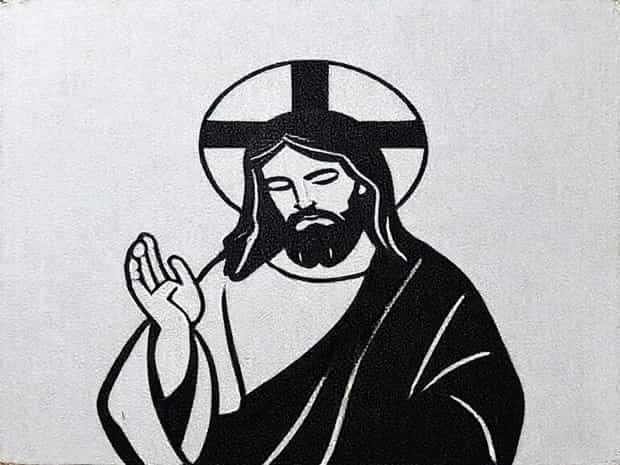
Is A Jesus Piece Sacrilegious
The question Is a Jesus piece sacrilegious? touches on faith, culture, and personal expression. A Jesus piece, typically a pendant or jewelry depicting the face of Jesus Christ, has been popularized in music, fashion, and celebrity culture, particularly in hip-hop. While some view it as a meaningful symbol of faith, devotion, or protection, others see it as potentially disrespectful, depending on the context, design, and how it is worn. Determining whether a Jesus piece is sacrilegious involves exploring religious interpretations, cultural significance, historical use, and the perspectives of both religious leaders and everyday wearers.
Understanding the Jesus Piece
The Jesus piece is a type of jewelry that features the image of Jesus Christ, often adorned with gold, diamonds, or other precious materials. It gained mainstream popularity in the late 20th century, particularly through hip-hop artists who wore elaborate pieces as symbols of wealth, status, and faith. Unlike traditional religious symbols such as crosses or rosaries, the Jesus piece often emphasizes the face of Christ, making it a distinct form of religious expression in modern culture.
Design and Symbolism
- Face of JesusCentral to the piece, emphasizing recognition and devotion.
- MaterialsOften crafted from gold, silver, or encrusted with diamonds, reflecting wealth and personal style.
- Contextual UseWorn as a fashion statement, status symbol, or a marker of spiritual connection.
- CustomizationMany pieces are personalized with initials, crowns of thorns, or other embellishments.
Religious Perspectives
From a Christian viewpoint, whether a Jesus piece is sacrilegious depends on the intention, context, and reverence shown by the wearer. In Catholicism, Protestantism, and Orthodox traditions, images of Jesus are treated with respect and veneration. Some religious leaders argue that wearing a Jesus piece purely for fashion or as a status symbol could be seen as trivializing the sacred image of Christ. Others believe that as long as the wearer maintains a sense of reverence and faith, the jewelry can serve as a personal reminder of spiritual devotion.
Factors Influencing Perception
- IntentWearing it as a sign of faith versus for purely decorative purposes.
- BehaviorConduct while wearing the piece may reflect respect or disregard for its sacred symbolism.
- PlacementWearing it openly or in contexts considered inappropriate might influence perceptions of sacrilege.
- Cultural SensitivityAwareness of how the piece is perceived within religious communities.
Cultural Significance and Modern Usage
In contemporary culture, the Jesus piece is often seen as a blend of faith and fashion. Hip-hop artists, athletes, and celebrities popularized wearing elaborate Jesus pieces, turning them into symbols of personal identity, success, and cultural influence. While some argue this mainstream use commercializes a sacred image, others contend it democratizes religious symbolism, allowing individuals to display their faith in ways that resonate with modern identity.
Examples in Popular Culture
- Hip-hop artists such as The Notorious B.I.G., Jay-Z, and Kanye West have made Jesus pieces iconic in the music industry.
- Celebrity endorsements and fashion collaborations often increase the popularity of customized and luxurious designs.
- Use in media and music videos further normalizes wearing Jesus pieces as part of contemporary style.
- Some wearers combine religious devotion with artistic expression through creative designs.
Arguments That It Could Be Sacrilegious
Critics argue that certain uses of Jesus pieces can border on sacrilege, particularly when the jewelry is treated as a luxury item, flaunted for status, or used in disrespectful ways. For example, wearing an extravagant Jesus piece in settings of violence, excess, or disrespect may contradict the moral teachings of Christianity. Additionally, mass-produced or poorly made pieces that fail to honor the sacred image may be viewed as trivializing Christ’s significance.
Common Critiques
- Commercialization of sacred imagery undermining spiritual reverence.
- Using Jesus pieces as mere fashion accessories without understanding their religious meaning.
- Association with lifestyles or behaviors that contradict Christian values.
- Potentially offensive designs, such as over-embellishment or inappropriate contexts.
Arguments That It Is Not Sacrilegious
On the other hand, many argue that Jesus pieces are not inherently sacrilegious. When worn with respect, intention, and awareness of faith, these pieces can serve as symbols of devotion, protection, and personal belief. For some, a Jesus piece may act as a tangible reminder of spiritual values or a connection to God. The concept of sacrilege often hinges on disrespect or irreverence, not merely the object itself. Therefore, wearing a Jesus piece thoughtfully and reverently aligns it with expressions of faith rather than blasphemy.
Supporting Views
- Acts as a personal reminder of Christian faith and teachings.
- Allows individuals to integrate spirituality into everyday life and fashion.
- Encourages devotion through visible symbolism in modern culture.
- Reflects individuality while maintaining a connection to religious tradition.
Practical Advice for Wearing a Jesus Piece
For those who choose to wear a Jesus piece, understanding both religious and cultural considerations is important. Selecting high-quality materials, wearing it in respectful contexts, and pairing it with appropriate behavior can help maintain reverence. Educating oneself about the symbolism of Jesus and its importance in Christian teachings can also ensure that the piece is worn as an expression of faith rather than simply as a status symbol.
Tips for Respectful Usage
- Choose designs that honor the sacred image of Jesus without trivializing it.
- Wear the piece in contexts that reflect respect for its religious significance.
- Understand the history and symbolism behind Jesus imagery.
- Avoid using the piece solely to display wealth or social status.
whether a Jesus piece is sacrilegious largely depends on intention, context, and respect. While critics may view extravagant or disrespectful uses as trivializing a sacred image, thoughtful and reverent wear can make the jewelry a meaningful symbol of faith. The Jesus piece occupies a unique space at the intersection of religion, culture, and personal expression, reflecting both devotion and modern identity. By approaching its use with awareness, individuals can honor the sacred while embracing contemporary fashion, ensuring that the piece serves as a symbol of faith rather than a source of controversy.