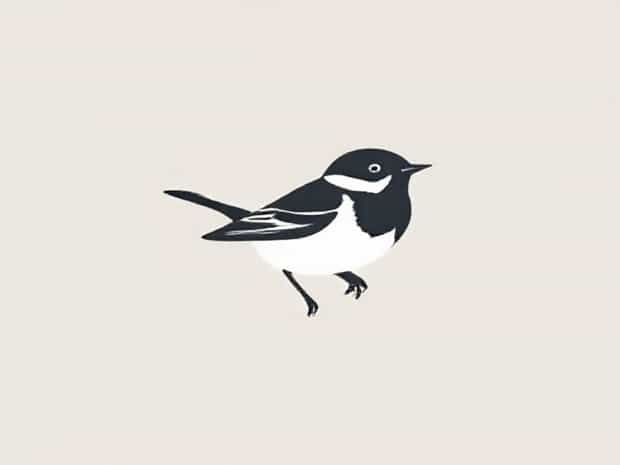
Images Of A Junco
Images of a junco capture the delicate beauty of this small, sparrow-like bird that is commonly found across North America. Known for their distinctive coloring and lively behavior, juncos are often photographed by birdwatchers, nature enthusiasts, and photographers seeking to highlight the subtle details of wildlife. Their muted gray, brown, and white plumage, along with their characteristic white outer tail feathers, makes them easily identifiable in photographs. Capturing images of a junco requires patience, attention to detail, and an understanding of the bird’s habits, habitats, and seasonal behaviors, which all contribute to creating compelling and informative visuals for enthusiasts and researchers alike.
Appearance and Identification
Juncos are small, active birds with a plump body, short bill, and rounded head. They display distinct color patterns that vary among species and regions. The most common type, the dark-eyed junco, features gray upperparts, a white belly, and pinkish legs. Males often exhibit darker, more pronounced coloration, while females tend to have softer, more muted tones. These differences make capturing images of juncos fascinating, as photographers can highlight sexual dimorphism, feather patterns, and subtle variations in plumage.
Physical Features
- ColorationGray, brown, and white tones dominate the junco’s plumage, creating a simple yet elegant appearance in images.
- SizeTypically measuring around 5 to 6 inches in length, juncos are small enough to photograph in close proximity if approached carefully.
- Tail FeathersWhite outer tail feathers are a defining characteristic, especially noticeable during flight.
- Bill and LegsSmall, pinkish bills and legs are delicate details that add depth to close-up images.
Habitat and Behavior
Images of a junco are often more successful when the photographer understands the bird’s preferred habitats and behaviors. Juncos typically inhabit forests, woodlands, and shrublands, but during winter, they often migrate to gardens, parks, and open areas near human settlements. Their active foraging behavior, which includes hopping along the ground and searching for seeds, makes them interesting subjects for dynamic photography that captures movement and interaction with the environment.
Seasonal Behavior
- WinterJuncos migrate south in large flocks, providing opportunities for photographers to capture groups in feeding areas.
- Spring and SummerDuring the breeding season, males often display territorial behaviors, which can be captured in images showcasing courtship or nest building.
- Daily ActivityJuncos are active throughout the day, feeding primarily on seeds and small insects, often in shaded areas or on the forest floor.
Photography Techniques
Capturing high-quality images of a junco involves several techniques that highlight the bird’s natural beauty. Understanding light, composition, and equipment settings are essential to produce clear, detailed, and visually appealing photographs.
Equipment and Settings
- Use a telephoto lens to maintain distance without disturbing the bird.
- Opt for a fast shutter speed to freeze movement, especially when juncos are hopping or flying.
- Adjust aperture for shallow depth of field to make the bird stand out against the background.
- Consider using natural light to highlight the subtle colors and details in the plumage.
Composition Tips
- Focus on the eyes, as sharp eye detail creates engaging and lifelike images.
- Capture different angles, including side profiles, head-on views, and in-flight shots.
- Include elements of the habitat, such as branches, leaves, or ground textures, to provide context.
- Use burst mode to capture multiple frames in succession, increasing the chance of getting the perfect shot.
Using Images of a Junco
Images of juncos are versatile and can serve various purposes, from scientific documentation to artistic expression. Birdwatchers, researchers, and educators often use photographs to study behavior, identify species, and promote conservation awareness. At the same time, nature photographers and hobbyists use these images to create visually striking art that highlights the delicate beauty of wildlife.
Educational Use
- Field guides and bird identification apps frequently incorporate detailed images of juncos to assist enthusiasts.
- Photographs can demonstrate plumage variations, seasonal changes, and sexual dimorphism, aiding scientific observation.
- Images may be used in school or community programs to educate the public about bird species and their ecological importance.
Artistic and Creative Applications
- Wildlife photography enthusiasts may use images of juncos for exhibitions, calendars, or digital art.
- Close-up images emphasizing textures, colors, and patterns can inspire creative projects, including prints and digital designs.
- Photographs of juncos in natural settings can be incorporated into landscape or nature photography portfolios to add variety and interest.
Conservation and Awareness
Capturing images of a junco can also support conservation efforts by raising awareness about habitat preservation and bird protection. Many photographers participate in citizen science projects, sharing their images with databases that track bird populations, migration patterns, and environmental changes. By highlighting the beauty and uniqueness of juncos through photography, individuals contribute to promoting appreciation for wildlife and the need to protect natural habitats.
Tips for Ethical Photography
- Maintain a respectful distance to avoid disturbing the birds, especially during nesting season.
- Minimize use of flash, which can stress wildlife.
- Stay on designated trails when photographing in protected areas to reduce environmental impact.
- Use photographs responsibly, crediting the location and species to help educate viewers accurately.
Images of a junco provide a unique window into the life and beauty of this small, yet fascinating bird. From their distinctive coloration to their lively behavior and seasonal migration patterns, juncos are captivating subjects for photographers, educators, and wildlife enthusiasts. By understanding their appearance, habitat, and habits, and employing effective photography techniques, one can create compelling and informative visuals that highlight the charm of these birds. Additionally, using images responsibly for educational, artistic, or conservation purposes ensures that the appreciation of juncos contributes to broader awareness and protection of natural ecosystems. Whether for personal enjoyment or professional purposes, photographing juncos captures the essence of North American birdlife, blending scientific observation with creative expression.