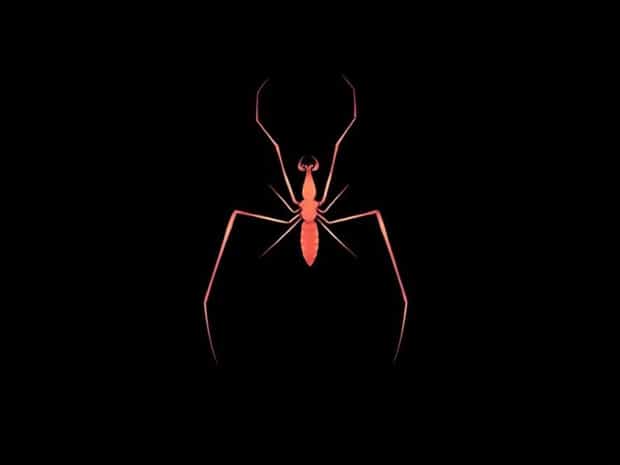
How Venomous Are Granddaddy Long Legs
Many people have heard the claim that granddaddy long legs are one of the most venomous creatures in the world but are harmless to humans because their fangs are too small to bite. This idea has been passed around for decades, often shared in conversations, television shows, or classroom discussions. However, the truth about how venomous granddaddy long legs really are is far more interesting, especially when you look at their biology, classification, and role in the ecosystem. Understanding the reality behind this myth helps us separate fact from fiction and appreciate these fascinating creatures in a more accurate way.
What are granddaddy long legs?
The term granddaddy long legs” is commonly used to describe three different types of creatures, which often causes confusion. These are
- Harvestmen (Opiliones)– Arachnids that resemble spiders but are not true spiders. They have a single body segment and very long, thin legs.
- Cellar spiders (Pholcidae)– True spiders often found in basements and dark corners, known for their delicate bodies and web-building behavior.
- Craneflies (Tipulidae)– Insects that look like oversized mosquitoes with long legs, but they do not bite or produce venom at all.
Because people use the same nickname for different animals, myths about their venom often get mixed up. To properly answer how venomous granddaddy long legs are, it’s important to identify which group is being discussed.
The myth of extreme venom
The popular belief suggests that granddaddy long legs have venom more toxic than any other spider, but their fangs are too short or weak to pierce human skin. This claim has been repeated so many times that many assume it is a scientific fact. In reality, this is not supported by research. Studies on both harvestmen and cellar spiders show that their venom is either nonexistent or not dangerous to humans.
Harvestmen and venom
Harvestmen, the creatures most often called granddaddy long legs in North America, do not have venom glands at all. They do not produce venom and do not rely on venom for survival. Instead, they use other defense strategies such as secreting foul-smelling fluids to deter predators or detaching a leg to escape when caught. Harvestmen feed mostly on decaying plant and animal matter, small insects, and fungi. Since they lack venom and fangs capable of delivering any harmful substance, harvestmen pose no danger to humans whatsoever.
Cellar spiders and their mild venom
Cellar spiders, another group sometimes called granddaddy long legs, do have venom because they are true spiders. They use their venom to subdue small insects that get trapped in their webs. However, the venom of cellar spiders is extremely mild and not considered medically significant to humans. Their fangs are small but capable of piercing human skin in some cases, though bites are very rare. If they do bite, the effect is usually no worse than a mild itching or slight redness that disappears quickly. Therefore, while cellar spiders are technically venomous, they are harmless to humans.
Craneflies and the harmless reputation
Craneflies, the insect version of granddaddy long legs, are completely harmless. They do not have venom glands, do not bite, and do not sting. Their long, fragile legs make them appear intimidating, but their role in the ecosystem is largely as pollinators and as a food source for birds and other animals. Any association between craneflies and venom is purely based on confusion with other species.
Why the myth persists
The myth about granddaddy long legs being deadly but harmless has persisted for decades for several reasons
- Their long, spindly appearance makes them look more dangerous than they are.
- Confusion between harvestmen, cellar spiders, and craneflies spreads misinformation.
- Television shows and popular culture have repeated the myth without scientific evidence.
- People enjoy sensational stories about animals, which makes myths easier to remember than facts.
This combination of fear, curiosity, and misidentification explains why so many people continue to believe the myth despite scientific studies disproving it.
The ecological role of granddaddy long legs
While the focus is often on whether they are venomous, it is equally important to recognize the ecological contributions of these creatures. Harvestmen, cellar spiders, and craneflies all play beneficial roles in nature
- Harvestmenhelp clean up decaying organic matter, recycling nutrients back into the environment.
- Cellar spiderscontrol populations of other insects and pests by trapping them in their webs.
- Cranefliescontribute to pollination and provide food for birds, fish, and amphibians.
By understanding these roles, people may develop more respect for these misunderstood creatures rather than fearing them.
Separating venom from danger
It’s essential to clarify the difference between being venomous and being dangerous. Venomous creatures produce toxins to immobilize prey or defend themselves, but this does not automatically mean they are harmful to humans. For example, cellar spiders are venomous but harmless, while harvestmen and craneflies are not venomous at all. True danger is measured by whether their venom can cause significant medical problems in people, which is not the case with any animal commonly called granddaddy long legs.
How to handle encounters with granddaddy long legs
If you see a granddaddy long legs in your home or garden, there is no need to panic. Instead, consider the following approaches
- Leave them alone, as they are harmless and may even control pests.
- If you prefer not to have them indoors, gently capture and release them outside.
- Avoid using insecticides, since they are unnecessary and harm beneficial species.
By treating these creatures with understanding rather than fear, you contribute to a healthier balance in your local ecosystem.
The question of how venomous granddaddy long legs are can be answered clearly they are either not venomous at all, as in the case of harvestmen and craneflies, or they have venom so mild that it poses no threat to humans, as with cellar spiders. The myth of extreme venom but harmless fangs is simply a misconception that has been passed down for years. In reality, granddaddy long legs are fascinating and beneficial creatures that deserve respect rather than fear. By understanding their biology and ecological role, we can replace myths with facts and appreciate the important part they play in our environment.