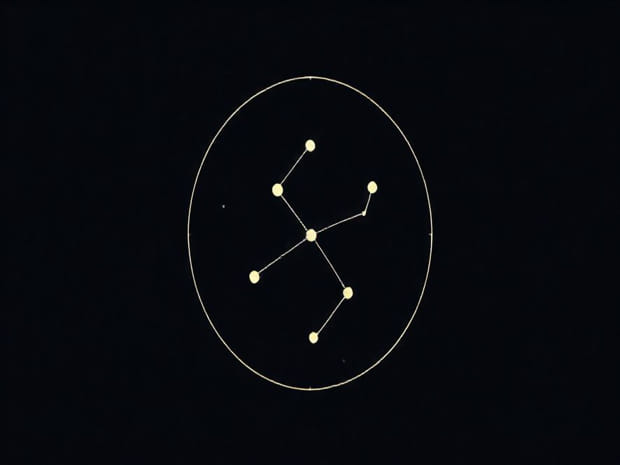
How To Find Ophiuchus Constellation
For many stargazers, finding constellations can feel like unlocking a hidden map of the universe. Among the more intriguing constellations is Ophiuchus, sometimes called the Serpent Bearer. Unlike well-known constellations such as Orion or Ursa Major, Ophiuchus is often overlooked, even though it holds a fascinating place in astronomy. Learning how to find Ophiuchus constellation can help observers better understand the night sky, explore its rich mythology, and even recognize its debated role in the zodiac. To locate it, one needs patience, a clear night, and a good sense of orientation among nearby star groups.
What Is Ophiuchus?
Ophiuchus is a large constellation straddling the celestial equator. Its name means serpent bearer, and it is traditionally depicted as a man holding a snake, represented by the nearby constellation Serpens. Unlike many constellations, Ophiuchus is not part of the classical twelve zodiac signs, though the Sun does pass through it each year. This has led to discussions about a so-called thirteenth zodiac sign, which makes Ophiuchus all the more intriguing for those interested in astrology as well as astronomy.
Where Is Ophiuchus Located?
To find Ophiuchus, it is essential to understand its position in relation to nearby constellations. Ophiuchus lies between Scorpius and Sagittarius to the south and Hercules to the north. Because of its size, it covers a significant portion of the sky and can be easier to recognize by focusing on its brightest stars. Observers in both hemispheres can see Ophiuchus, though it appears higher in the sky for those in the Southern Hemisphere during certain months.
Coordinates and Visibility
- Right AscensionAround 17 hours
- DeclinationApproximately -8 degrees
- Best visibility Late spring to early autumn, especially June and July.
Best Time of Year to Find Ophiuchus
The best time to locate Ophiuchus is during the summer months in the Northern Hemisphere. Between June and August, it is high in the evening sky, making it easier to spot. In the Southern Hemisphere, it appears during the winter months, though closer to the horizon. Planning your stargazing sessions during these months increases your chances of identifying the constellation clearly.
Steps to Find Ophiuchus in the Night Sky
Locating Ophiuchus involves following a series of steps, often using nearby constellations as guides
- Start by locating Scorpius, one of the most recognizable constellations with its distinctive curved tail and the bright red star Antares.
- Once you find Scorpius, look directly north. Ophiuchus sits just above Scorpius in the sky.
- Identify the constellation Hercules nearby. Ophiuchus lies between Hercules and Scorpius, acting like a bridge between them.
- Focus on Ophiuchus’s brightest star, Rasalhague, which helps anchor the constellation’s pattern.
Brightest Stars in Ophiuchus
Like all constellations, Ophiuchus is defined by its stars. Recognizing a few key stars can make the constellation easier to spot.
- Rasalhague (Alpha Ophiuchi)The brightest star in Ophiuchus, located at the figure’s head.
- Sabik (Eta Ophiuchi)A bright binary system marking the constellation’s knee.
- Yed Prior and Yed PosteriorA pair of stars representing one of the figure’s hands holding the serpent.
Ophiuchus and the Milky Way
The Milky Way passes directly through Ophiuchus, making the constellation rich in star fields, clusters, and nebulae. Observers with binoculars or telescopes can see deep-sky objects such as globular clusters Messier 10 and Messier 12. This adds to the excitement of finding Ophiuchus, since its location is not just about connecting stars, but also about exploring dense regions of the galaxy.
Deep-Sky Objects in Ophiuchus
- Messier 10A bright globular cluster about 14,000 light-years away.
- Messier 12Another globular cluster with a looser appearance than M10.
- Barnard’s StarOne of the closest stars to Earth, though faint, lies within Ophiuchus.
Using Star Charts and Apps
For beginners, using a star chart or stargazing app can be very helpful when trying to find Ophiuchus. Modern apps allow users to point their phones at the sky to identify constellations instantly. A printed star map can also serve as a reliable guide for recognizing Ophiuchus among its neighbors. Combining these tools with actual sky observations improves recognition and strengthens knowledge of the constellation’s shape and placement.
Challenges in Finding Ophiuchus
Even though Ophiuchus is a large constellation, it can be difficult to identify because its stars are not as bright or distinctively patterned as those in Orion or Scorpius. Light pollution in urban areas can also make it harder to trace its outline. Stargazers may need to go to darker locations to fully appreciate the constellation and its connection to Serpens, the snake that it symbolically holds.
Mythology and Cultural Significance
Ophiuchus is often linked with the Greek figure Asclepius, the god of medicine and healing. The serpent in the constellation represents wisdom, renewal, and the power of life and death. In some modern interpretations, Ophiuchus is considered a thirteenth zodiac sign because the Sun passes through it between late November and mid-December. This connection gives it additional cultural importance, blending science with astrology.
Tips for Beginners
If you are new to stargazing and want to locate Ophiuchus, here are a few practical tips
- Begin with easier constellations like Scorpius and Sagittarius, then work your way upward.
- Use binoculars to explore the star fields and clusters in Ophiuchus once you find its position.
- Look for Rasalhague as your primary anchor star; it will help orient the rest of the constellation.
- Be patient learning to recognize faint patterns takes time and practice.
Finding Ophiuchus constellation can be a rewarding experience, connecting observers with both ancient mythology and modern astronomy. Situated between Scorpius and Hercules, it serves as a bridge in the night sky, offering not just stars but also access to globular clusters and the rich backdrop of the Milky Way. While it may not be as famous as other constellations, Ophiuchus challenges stargazers to refine their skills and explore deeper into celestial patterns. With careful observation and the right guidance, anyone can learn how to find Ophiuchus and appreciate the beauty and history it represents in the vast universe above.