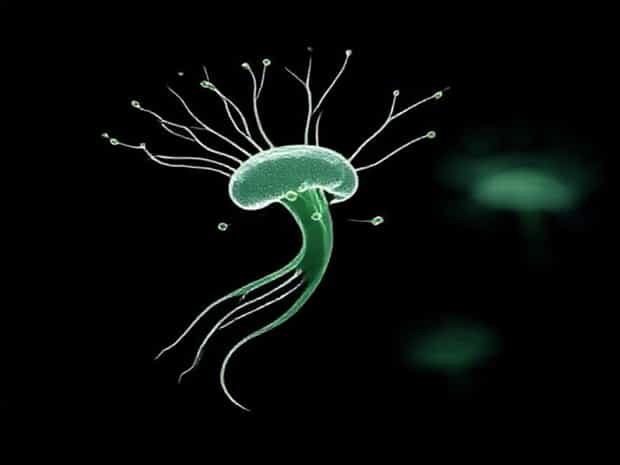
How Many Flagella Are There In Chlorophyceae
Chlorophyceae, a class of green algae, are fascinating microscopic organisms that play a critical role in aquatic ecosystems. One of the most interesting features of many Chlorophyceae species is their motility, which is often achieved through the use of flagella. These whip-like structures enable the algae to move through water, seek light for photosynthesis, and interact with their environment in dynamic ways. Understanding how many flagella are present in Chlorophyceae provides insight into their biology, taxonomy, and adaptive strategies in various aquatic habitats.
Introduction to Chlorophyceae
Chlorophyceae are green algae belonging to the phylum Chlorophyta. They are predominantly freshwater organisms, though some species inhabit marine environments. These algae are known for their chlorophyll content, which gives them a bright green color and allows them to perform photosynthesis efficiently. Beyond their ecological role, Chlorophyceae are also of interest for scientific studies due to their simple structure, reproduction methods, and motility mechanisms.
Characteristics of Chlorophyceae
- They possess chlorophyll a and b, giving them a bright green coloration.
- Many species have a rigid cell wall composed of cellulose.
- They reproduce both sexually and asexually.
- Motile species use flagella for locomotion, an important trait for survival in aquatic environments.
Flagella in Chlorophyceae
Flagella are slender, whip-like appendages that protrude from the cell body. In Chlorophyceae, these structures are primarily used for movement. They allow cells to swim towards light sources, nutrients, or avoid unfavorable conditions. The presence, number, and arrangement of flagella are key taxonomic features that help distinguish different genera and species within Chlorophyceae.
Number of Flagella
Most motile Chlorophyceae species have two flagella per cell. These flagella are usually equal in length and inserted at the anterior end of the cell, which enables smooth and coordinated movement through the water. The typical two-flagella arrangement is a characteristic feature of the class and is one of the traits used to identify members of this group.
Exceptions and Variations
While two flagella are standard in most Chlorophyceae, there are exceptions. Some species may have a single flagellum or more than two in specialized stages of their life cycle. For instance, gametes of certain species may temporarily develop additional flagella to aid in mating. However, these variations are relatively rare, and the two-flagella condition remains the norm for vegetative motile cells.
Structure and Function of Flagella
The flagella of Chlorophyceae are composed of microtubules arranged in a 9+2 pattern, typical of eukaryotic cilia and flagella. This structure provides both flexibility and strength, allowing the flagella to whip back and forth to propel the cell. Motor proteins within the flagella generate movement, consuming ATP to produce rhythmic beating patterns. This action enables cells to navigate their environment efficiently and respond to stimuli such as light, gravity, and chemical gradients.
Flagellar Beating and Movement
The beating of flagella in Chlorophyceae is often coordinated to produce forward motion or rotation of the cell. Cells can change the frequency or direction of flagellar beating to alter their swimming path. This precise control is crucial for phototaxis, where cells move toward or away from light sources, ensuring they remain in optimal positions for photosynthesis. Additionally, flagella may help the algae maintain buoyancy and resist sinking in still water.
Role in Reproduction
Flagella are not only important for motility but also play a role in reproduction. In many Chlorophyceae species, gametes are motile and use their flagella to find and fuse with other gametes. This motility ensures genetic diversity and successful sexual reproduction. In contrast, non-motile stages, such as zygotes or spores, often lack flagella and rely on environmental factors for dispersal.
Examples of Flagellated Chlorophyceae
Several genera within Chlorophyceae display the characteristic two-flagella arrangement. For instance,Chlamydomonasis a well-studied unicellular green alga with two anterior flagella that it uses for swimming and mating. Another example isVolvox, a colonial alga in which each individual cell has two flagella that coordinate to move the entire colony through water. These examples highlight the importance of flagella in both single-celled and colonial forms of Chlorophyceae.
Chlamydomonas
- Unicellular green alga with two equal-length flagella.
- Flagella facilitate swimming toward light sources (positive phototaxis).
- Used in sexual reproduction to locate and fuse with other gametes.
Volvox
- Colonial alga with hundreds of cells, each with two flagella.
- Flagella beat in a coordinated fashion, moving the colony efficiently.
- Enhances nutrient acquisition and light exposure for all colony members.
Ecological Significance of Flagella
Flagella in Chlorophyceae are vital for their ecological success. By enabling motility, flagella allow algae to access light-rich zones, avoid predators, and locate nutrients. This movement contributes to the stability of aquatic ecosystems, as Chlorophyceae serve as primary producers, forming the base of many food webs. Moreover, motile algae play a role in oxygen production and nutrient cycling, supporting a diverse range of aquatic organisms.
Adaptation to Environment
Flagellar motility is an adaptive feature that allows Chlorophyceae to thrive in dynamic aquatic environments. Cells can respond to changing light conditions, turbulence, and nutrient availability, ensuring survival and growth. This adaptability also enhances reproductive success, as motile gametes can find each other efficiently in the water column.
In summary, Chlorophyceae are green algae that exhibit remarkable adaptations for survival in aquatic environments. A key feature of many species is the presence of two flagella per cell, which enables motility, phototaxis, and reproductive success. These flagella are structurally complex and functionally essential, allowing the algae to navigate their environment, locate food, and interact with other cells. While there are exceptions with variations in flagella number, the two-flagella arrangement remains a defining characteristic of the class. Understanding the number and function of flagella in Chlorophyceae provides valuable insights into their biology, ecology, and evolutionary significance, highlighting their crucial role in aquatic ecosystems.