How Is Opalescent Glass Made
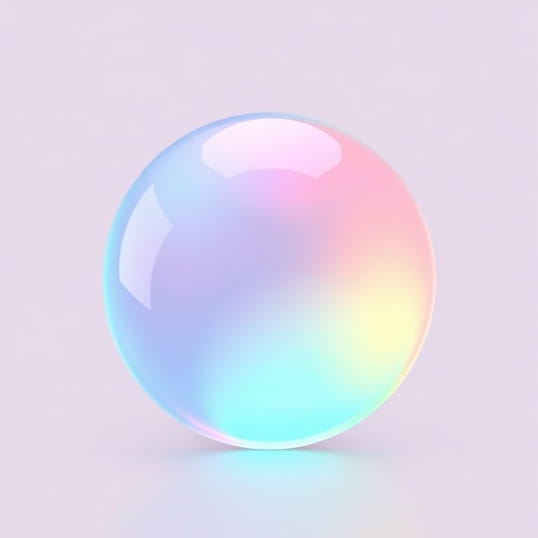
Opalescent glass has long captivated artists, designers, and collectors with its unique milky translucence and shifting colors. Unlike clear glass, opalescent glass scatters light in a way that produces a soft, glowing effect reminiscent of natural opal gemstones. Its creation is a delicate combination of chemistry, heat control, and skilled craftsmanship, resulting in a material prized for stained glass windows, decorative lamps, and artistic installations. The process of making opalescent glass combines traditional techniques with precise modern understanding of materials science, allowing artisans to manipulate color, opacity, and texture to achieve the desired luminous effect.
The Origins of Opalescent Glass
Opalescent glass first gained prominence in the late 19th century, particularly in decorative art movements such as Art Nouveau. Artists sought to create glass that mimicked the soft, iridescent beauty of opals. Early experimentation involved adding metallic salts and other minerals to molten glass to scatter light and produce a milky or opalescent appearance. The term opalescent refers not only to the glass’s visual qualities but also to the way it diffuses light, creating a shimmering effect when viewed from different angles.
Basic Ingredients of Opalescent Glass
Making opalescent glass begins with a standard glass mixture of silica (sand), soda or potash (alkali), and lime. However, achieving the opalescent effect requires additional ingredients known as opacifiers, which disrupt the uniformity of the glass and scatter light. Common opacifiers include
- Bone ash or phosphatesUsed historically to create a soft white glow.
- Metallic oxidesOxides of tin, cobalt, or manganese can produce different shades and intensities of opalescence.
- FluoridesSmall amounts of fluorides help control crystallization and enhance the opalescent effect.
By carefully combining these materials with the base glass mixture, artisans can control the color, opacity, and light-scattering properties of the final product.
The Glassmaking Process
The creation of opalescent glass involves several key steps, each requiring precise control to achieve the desired effect
Melting the Glass
The raw materials are first melted in a furnace at extremely high temperatures, typically around 1,400 to 1,600 degrees Celsius. This melting process produces a molten liquid that must be carefully monitored to ensure uniformity and prevent unwanted bubbles or impurities. The addition of opacifiers occurs during this stage, as their dispersion throughout the molten glass determines the final light-scattering properties.
Cooling and Crystallization
Once melted and thoroughly mixed, the molten glass is slowly cooled under controlled conditions. This process, known as annealing, allows microscopic crystals to form, which are responsible for the opalescent effect. The size, distribution, and type of crystals influence how the glass interacts with light, producing a subtle glow or shifting colors depending on viewing angle and lighting.
Shaping and Forming
After cooling, the opalescent glass can be shaped using traditional glassworking techniques such as blowing, pressing, or rolling. Artisans may layer different colors of opalescent glass to create more complex visual effects. Skilled glassmakers also manipulate thickness and surface texture to enhance the glass’s light-scattering qualities, making the final product appear luminous and multidimensional.
Techniques to Enhance Opalescence
Several techniques can further enhance the opalescent effect in glass
- LayeringCombining multiple layers of differently colored or opalescent glass increases depth and creates a richer, more vibrant appearance.
- MarblingIntroducing streaks or swirls of opacifiers during forming produces unique patterns that catch and scatter light.
- Etching or SandblastingSurface treatments can diffuse light more effectively, enhancing the milky, glowing effect of the glass.
Applications of Opalescent Glass
Opalescent glass is widely used in both artistic and functional contexts. Some notable applications include
Stained Glass Windows
One of the most famous uses of opalescent glass is in stained glass windows, particularly in churches and historic buildings. The glass’s ability to diffuse light produces a soft, ambient glow that enhances interior spaces. Artists such as Louis Comfort Tiffany pioneered the use of opalescent glass to achieve subtle tonal variations and intricate designs.
Lamps and Lighting
Decorative lamps and light fixtures benefit from the luminous quality of opalescent glass. When illuminated, the glass scatters light evenly, creating a warm and inviting atmosphere. Layered or marbled opalescent glass is often used to produce dynamic lighting effects that change with ambient light conditions.
Artistic Installations
Modern artists continue to experiment with opalescent glass in sculptures, panels, and architectural features. By manipulating color, thickness, and layering, they achieve effects that are impossible with clear or uniform-colored glass. The inherent glow and subtle color shifts make opalescent glass a versatile material for creative expression.
Modern Innovations
Advancements in glass chemistry and manufacturing technology have allowed more precise control over the opalescent effect. Computer-controlled furnaces and mixing equipment ensure uniform dispersion of opacifiers, while laser cutting and advanced surface treatments enable intricate designs and consistent quality. Research into new additives and opacifying agents continues to expand the range of colors and effects achievable with opalescent glass.
Challenges in Production
Producing high-quality opalescent glass requires careful attention to detail and a deep understanding of materials science. Maintaining consistent color, opacity, and light diffusion is challenging due to the sensitivity of the process to temperature fluctuations, impurities, and crystallization rates. Skilled artisans must carefully balance these factors to achieve the desired aesthetic effect, making opalescent glass both a scientific and artistic achievement.
Opalescent glass is a remarkable material that combines art and science, captivating viewers with its milky translucence and shifting colors. Its creation involves a delicate balance of chemistry, heat, and craftsmanship, from melting raw materials with opacifiers to controlled cooling and shaping techniques. Layering, marbling, and surface treatments further enhance the opalescent effect, resulting in stunning windows, lamps, and artistic installations. Modern innovations continue to refine the production process, enabling precise control over color, opacity, and luminosity. The enduring appeal of opalescent glass lies in its ability to manipulate light, creating objects that are both functional and visually enchanting.