How Does The Nervous System Maintain Homeostasis
The human body is a complex and dynamic system that relies on precise internal regulation to function optimally. One of the most critical processes for survival is maintaining homeostasis, the stable internal environment necessary for cells and organs to perform efficiently. The nervous system plays a central role in this process by detecting changes, processing information, and initiating responses that restore balance. From regulating body temperature and blood pressure to coordinating responses to stress and injury, the nervous system continuously monitors and adjusts bodily functions to maintain equilibrium. Understanding how the nervous system maintains homeostasis sheds light on the intricate communication networks that support life and health.
The Role of the Nervous System in Homeostasis
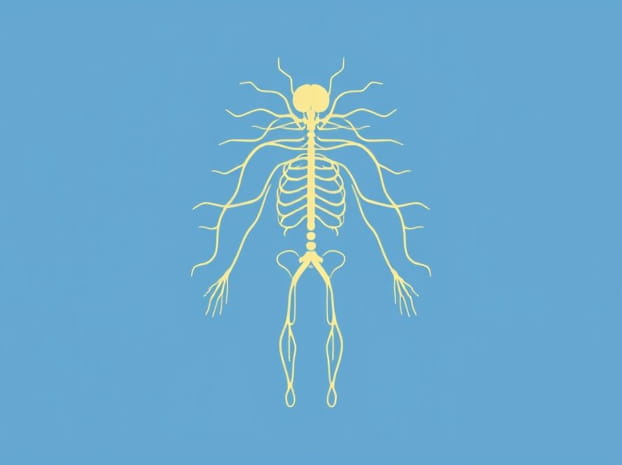
The nervous system is composed of the central nervous system (CNS), which includes the brain and spinal cord, and the peripheral nervous system (PNS), which encompasses sensory and motor neurons. Together, these systems detect changes in the internal and external environment and coordinate appropriate responses. Homeostasis relies on a feedback mechanism, primarily negative feedback, where the nervous system senses deviations from a set point and triggers corrective actions to restore balance.
Sensory Detection and Signal Transmission
One of the first steps in maintaining homeostasis involves sensory detection. Specialized receptors throughout the body sense changes in temperature, pressure, chemical composition, and other physiological variables. These sensory neurons transmit information to the CNS, where it is processed and interpreted. For example, thermoreceptors in the skin and hypothalamus detect temperature changes, while baroreceptors in blood vessels monitor blood pressure. The accurate detection of these signals allows the nervous system to respond rapidly and appropriately.
Feedback Mechanisms and Homeostatic Control
The nervous system relies heavily on feedback mechanisms to regulate internal conditions. Negative feedback is the most common form, ensuring that any deviation from normal levels is corrected efficiently. For instance, when body temperature rises, the nervous system activates mechanisms such as sweating and vasodilation to cool the body. Conversely, when body temperature drops, shivering and vasoconstriction help generate and conserve heat. This continuous feedback loop allows the body to maintain stable conditions despite external and internal changes.
Coordination with the Endocrine System
The nervous system often works in concert with the endocrine system to maintain homeostasis. While the nervous system provides rapid, short-term responses through electrical signals, the endocrine system releases hormones for longer-lasting effects. For example, in response to stress, the hypothalamus signals the adrenal glands to release adrenaline, increasing heart rate and blood pressure. This coordinated response ensures that the body can adapt quickly to challenges while maintaining overall balance.
Specific Homeostatic Functions Regulated by the Nervous System
Temperature Regulation
The hypothalamus acts as the body’s thermostat, detecting changes in core temperature and triggering appropriate responses. When the body becomes too hot, the nervous system stimulates sweat glands and increases blood flow to the skin to dissipate heat. When the body is too cold, shivering, and reduced blood flow to extremities conserve heat. This regulation ensures enzymes and cellular processes function optimally at stable temperatures.
Blood Pressure and Heart Rate
Baroreceptors located in the carotid arteries and aorta detect changes in blood pressure. If blood pressure drops, the nervous system signals the heart to increase its rate and the blood vessels to constrict, restoring adequate circulation. Conversely, if blood pressure rises, the nervous system initiates vasodilation and slows the heart rate. This precise regulation maintains adequate perfusion to vital organs and prevents damage from extreme blood pressure fluctuations.
Respiratory Control
The nervous system regulates breathing by monitoring carbon dioxide and oxygen levels in the blood. Chemoreceptors detect changes in blood gas concentrations, and the brainstem adjusts the rate and depth of respiration accordingly. This ensures that oxygen delivery meets cellular demands and that carbon dioxide is efficiently removed, supporting cellular respiration and maintaining blood pH balance.
Fluid and Electrolyte Balance
The nervous system contributes to homeostasis by regulating fluid balance and electrolyte concentrations. Sensory receptors detect changes in blood volume and osmolarity, prompting responses such as thirst, hormone release, and adjustments in kidney function. These mechanisms ensure that cells maintain proper hydration, ion concentrations, and osmotic balance, which are essential for nerve function, muscle contraction, and overall cellular activity.
Response to Stress and Injury
The nervous system also helps maintain homeostasis under stress or injury. When the body encounters a threat, the sympathetic nervous system activates the fight or flight” response, increasing heart rate, blood pressure, and energy availability. At the same time, the nervous system coordinates with the immune system to manage inflammation and repair damaged tissues. These adaptive responses protect the body while preserving homeostasis.
Integration of Homeostatic Responses
Maintaining homeostasis requires the nervous system to integrate information from multiple sources and coordinate complex responses. The brain continuously receives input from sensory organs, evaluates the data, and issues commands through motor neurons and autonomic pathways. This integration allows for simultaneous regulation of multiple systems, ensuring the body functions harmoniously. For example, during exercise, the nervous system adjusts heart rate, breathing, and blood flow to muscles while maintaining temperature and fluid balance.
Disruption of Nervous System Function and Homeostasis
If the nervous system fails to function properly, homeostasis can be disrupted, leading to disease or injury. Neurological disorders, spinal cord injuries, or nerve damage can impair the body’s ability to detect changes or coordinate responses. This may result in uncontrolled blood pressure, temperature dysregulation, or impaired breathing. Understanding the role of the nervous system in maintaining homeostasis underscores the importance of neurological health for overall well-being.
The nervous system is indispensable for maintaining homeostasis in the human body. By detecting changes through sensory receptors, processing information in the CNS, and initiating responses via motor and autonomic pathways, the nervous system ensures that internal conditions remain stable despite external fluctuations. Its coordination with the endocrine system enhances both rapid and long-term regulation, while feedback mechanisms allow precise control of temperature, blood pressure, respiration, fluid balance, and stress responses. Maintaining nervous system health is therefore crucial for sustaining homeostasis and supporting life. Understanding these intricate processes highlights the complexity of human physiology and the remarkable ability of the nervous system to preserve equilibrium, ensuring that cells, tissues, and organs function optimally in a constantly changing environment.