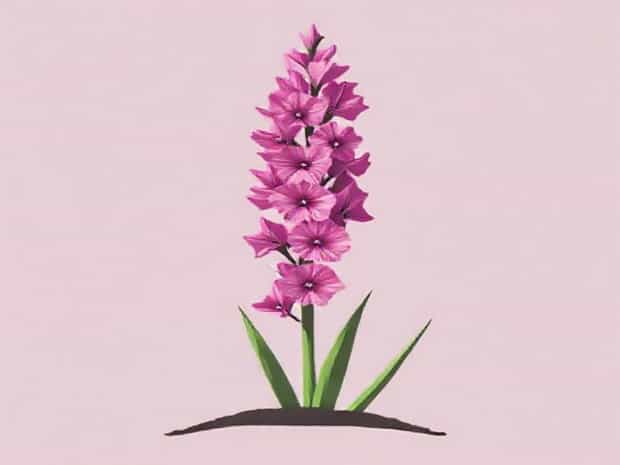
How Deep To Plant Gladiolus Bulbs
Planting gladiolus bulbs at the correct depth is crucial for ensuring healthy growth, strong stems, and beautiful blooms. Gladiolus, known for their tall, elegant flower spikes and vibrant colors, are popular choices for garden beds, borders, and cut flower arrangements. While they are relatively easy to grow, improper planting depth can lead to weak stems, poor flowering, or even rotting bulbs. Understanding the soil conditions, spacing, and the optimal depth for planting gladiolus bulbs will help gardeners achieve a thriving display of these striking flowers.
Understanding Gladiolus Bulbs
Gladiolus bulbs, also known as corms, are small, rounded structures that store nutrients to support new growth each season. These corms vary in size, and their planting depth can influence the overall height and stability of the resulting plants. Larger corms generally produce taller flowers and may require deeper planting, while smaller corms can be planted slightly shallower. Recognizing the size and quality of your bulbs is an important first step in planning your gladiolus planting.
Choosing the Right Soil
Gladiolus prefer well-draining soil that is rich in organic matter. Heavy clay soils or waterlogged areas can cause bulbs to rot, especially if planted too deep. Before planting, improve soil drainage by mixing in compost or sand. Ensure the garden bed receives plenty of sunlight, as gladiolus thrive in full sun. Proper soil preparation not only supports healthy root development but also promotes strong flower spikes that can withstand wind and rain.
Optimal Planting Depth
The ideal planting depth for gladiolus bulbs typically ranges from 4 to 6 inches (10 to 15 centimeters) below the soil surface. A general rule of thumb is to plant the bulb at a depth approximately three times the height of the corm. This depth provides sufficient support for the tall flower spikes while protecting the bulb from temperature fluctuations and pests. Planting too shallow can result in weak stems that bend easily, while planting too deep may delay or prevent sprouting.
Depth Adjustments for Different Conditions
In areas with sandy soil or loose garden beds, planting slightly deeper can help stabilize the stems and prevent toppling. Conversely, in cooler climates where soil temperatures remain low for extended periods, planting a bit shallower allows bulbs to warm faster and sprout earlier in the season. Adjusting depth based on soil type, local climate, and bulb size ensures optimal growth and bloom performance.
Planting Techniques
To plant gladiolus bulbs effectively, start by digging a trench or individual holes at the recommended depth. Place the corm with the pointed end facing upward, as this is where the shoots will emerge. Cover the bulbs with soil and gently firm it down to eliminate air pockets. Proper spacing between bulbs is also important; generally, space gladiolus 6 to 8 inches (15 to 20 centimeters) apart to allow for adequate airflow and prevent overcrowding. This spacing reduces the risk of disease and encourages robust growth.
Watering and Mulching
After planting, water the bulbs thoroughly to help settle the soil and initiate root growth. Applying a layer of mulch around the planting area helps retain moisture, suppress weeds, and maintain a stable soil temperature. Mulching is particularly useful in regions with fluctuating temperatures or dry conditions, as it provides a protective barrier that supports healthy bulb development. Avoid overwatering, as excess moisture can lead to rot, especially in deeper-planted bulbs.
Care During Growth
As gladiolus grow, support for tall flower spikes may be necessary, particularly in windy areas. Using stakes or plant supports prevents stems from bending or breaking under the weight of blossoms. Fertilizing with a balanced, slow-release fertilizer during the growing season promotes strong stems and vibrant flowers. Additionally, remove any weeds that compete for nutrients and water. Regular monitoring of soil moisture and plant health ensures that bulbs planted at the correct depth develop into strong, flowering plants.
Staggered Planting for Continuous Blooms
Many gardeners plant gladiolus bulbs in succession every two to three weeks to achieve a continuous display of blooms throughout the growing season. When planting in succession, maintain consistent depth and spacing for each batch. This practice not only extends the flowering period but also provides a steady supply of cut flowers for arrangements. Planning staggered planting requires careful organization but results in a longer-lasting and more visually appealing garden display.
Common Mistakes to Avoid
- Planting too shallow, which can cause stems to bend or collapse under the weight of flowers.
- Planting too deep, which may delay sprouting or prevent emergence altogether.
- Ignoring soil drainage, leading to waterlogged bulbs and rot.
- Neglecting spacing, resulting in overcrowded plants and increased risk of disease.
- Failing to stake tall varieties, causing flowers to droop or break in wind or rain.
Harvesting and Storage
Once gladiolus flowers have bloomed, cutting the flower spikes regularly encourages new growth and prolongs the blooming season. After the growing season ends, carefully dig up the corms, allow them to dry, and store them in a cool, dry place for replanting the following year. Proper planting depth initially ensures that the corms develop strong roots and sufficient energy reserves, making them more resilient for storage and future planting.
Planting gladiolus bulbs at the correct depth is a fundamental step for successful growth and vibrant blooms. By understanding the ideal soil conditions, appropriate depth, proper spacing, and ongoing care, gardeners can enjoy healthy plants that produce striking flower spikes. Whether planting for garden aesthetics or cut flower arrangements, paying attention to depth and planting techniques maximizes the beauty and longevity of gladiolus blooms. With careful planning and consistent care, your gladiolus garden can thrive year after year, providing a stunning display of color and elegance.