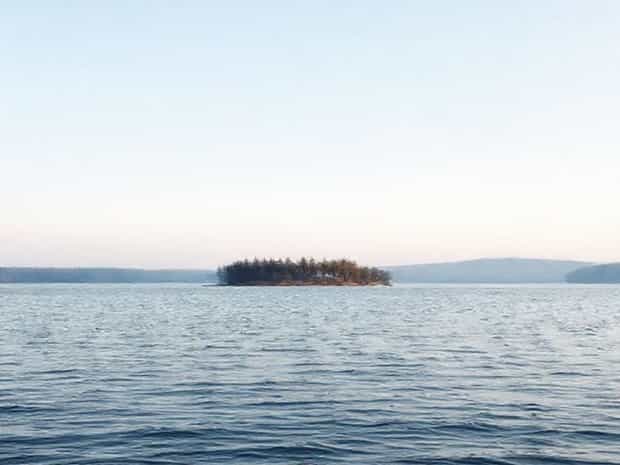
How Big Is Lake Onega
Lake Onega, located in northwestern Russia, is one of the largest freshwater lakes in Europe and an essential feature of the Russian landscape. Its vast size, ecological significance, and cultural importance make it a topic of great interest for geographers, environmental scientists, and travelers alike. Stretching across several regions, Lake Onega serves as a vital freshwater resource, a habitat for diverse aquatic species, and a hub for regional transportation and recreation. Understanding how big Lake Onega is requires examining its dimensions, surrounding geography, hydrology, and historical context, offering insight into both its natural and human significance.
Geographical Location and Surrounding Regions
Lake Onega is situated in the northwestern part of Russia, primarily within the Republic of Karelia, with its southern edges extending into the Leningrad and Vologda regions. The lake lies near the border of Finland and is part of the larger Baltic Sea drainage basin. Its position has historically made it a crucial waterway for transportation, connecting communities and facilitating trade across the region. The surrounding landscape includes dense forests, rolling hills, and numerous smaller rivers and lakes that feed into Lake Onega, enhancing its ecological complexity and regional significance.
Dimensions and Size
Lake Onega covers an extensive area of approximately 9,700 square kilometers, making it the second-largest lake in Europe after Lake Ladoga. Its length stretches about 245 kilometers from north to south, while its width varies between 30 to 80 kilometers depending on the location. The lake’s maximum depth reaches around 127 meters, though the average depth is closer to 30 meters. These dimensions make Lake Onega not only vast in surface area but also significant in terms of water volume, storing a massive amount of freshwater that supports local ecosystems and human activity.
- Surface Area Approximately 9,700 square kilometers.
- Length About 245 kilometers.
- Width Ranges from 30 to 80 kilometers.
- Maximum Depth Approximately 127 meters.
- Average Depth Around 30 meters.
Hydrology and Water Sources
Lake Onega receives water from more than 50 rivers, including the Suna, Vodla, and Shomba rivers. The lake’s primary outflow is the Svir River, which connects Lake Onega to Lake Ladoga and eventually flows into the Neva River, reaching the Gulf of Finland in the Baltic Sea. This hydrological network highlights Lake Onega’s role as a central freshwater reservoir in northwestern Russia. The inflow and outflow of water contribute to the lake’s ecological balance, water quality, and navigability for boats and cargo transport.
Seasonal Changes and Climate Impact
Lake Onega experiences significant seasonal variations due to the northern continental climate. In winter, large portions of the lake freeze over, sometimes completely, allowing temporary ice transportation routes but also posing challenges for aquatic life. During the spring thaw, melting snow and ice increase water levels, which can lead to localized flooding in adjacent lowlands. Summers bring warmer temperatures and active water movement, supporting fish populations, recreational activities, and tourism. Understanding these seasonal dynamics is crucial for managing fisheries, navigation, and environmental conservation.
- Winter Freeze Lake surface may completely freeze, affecting transport and aquatic ecosystems.
- Spring Thaw Increased water levels from melting ice and snow.
- Summer Activity Supports fishing, boating, and tourism activities.
- Water Flow Inflow from multiple rivers and outflow through the Svir River maintains ecological balance.
Ecological Significance
Lake Onega supports a diverse range of plant and animal species, both in the water and along its shores. Fish species such as pike, perch, and whitefish are abundant, making the lake a critical resource for local fisheries. The lake’s islands, forests, and wetlands provide habitats for birds, mammals, and other wildlife. Conservation efforts are important to protect these ecosystems from pollution, overfishing, and human encroachment. Lake Onega’s ecological significance extends beyond local biodiversity, influencing regional climate regulation, water purification, and nutrient cycling.
Flora and Fauna
The lake is surrounded by boreal forests containing pine, spruce, and birch trees, which provide habitats for various terrestrial species. Wetlands along the shoreline act as breeding grounds for birds and amphibians. Aquatic vegetation within the lake includes submerged plants, algae, and phytoplankton that sustain fish populations and contribute to the overall health of the ecosystem. Protecting these natural resources is vital for maintaining Lake Onega’s biodiversity and ecological balance.
- Fish Species Pike, perch, whitefish, and others support commercial and recreational fishing.
- Bird Habitats Shoreline wetlands and islands are nesting sites for migratory and resident birds.
- Vegetation Boreal forests and aquatic plants contribute to ecosystem stability.
- Environmental Threats Pollution, invasive species, and overfishing pose ongoing challenges.
Historical and Cultural Importance
Lake Onega has been inhabited for thousands of years, with evidence of ancient settlements along its shores. The lake played a crucial role in trade and communication routes between the Baltic Sea and inland Russia. Many cultural and historical sites, including monasteries, petroglyphs, and traditional villages, are located along the lake, reflecting its significance in regional history. The lake continues to influence local communities, providing livelihoods through fishing, transportation, and tourism, while also inspiring art, folklore, and regional identity.
Tourism and Recreation
Lake Onega attracts tourists for boating, fishing, and nature exploration. The lake’s islands, including the famous Kizhi Island with its UNESCO World Heritage wooden architecture, are major attractions. Seasonal tourism supports local economies and highlights the need for sustainable practices to preserve the lake’s natural beauty. Recreational activities also foster environmental awareness and appreciation for the lake’s ecological and cultural value.
- Boating and Fishing Popular recreational and commercial activities.
- Island Exploration Kizhi and other islands attract cultural tourism.
- Nature Activities Hiking, birdwatching, and eco-tourism promote conservation awareness.
- Local Economies Tourism and fishing provide income and employment for nearby communities.
Lake Onega’s impressive size, covering nearly 9,700 square kilometers, makes it a dominant feature of northwestern Russia. Its length of 245 kilometers, varying width, and significant depth contribute to its role as a freshwater reservoir, transportation route, and ecological haven. The lake supports diverse flora and fauna, sustains local fisheries, and serves as a center of cultural and historical significance. Seasonal changes, hydrology, and human activity all influence the lake’s dynamics, highlighting the need for careful management and sustainable practices. Understanding how big Lake Onega is extends beyond mere measurements; it involves appreciating its ecological, cultural, and economic roles. As one of Europe’s largest lakes, Lake Onega remains a vital natural resource, a hub of regional identity, and a subject of ongoing scientific interest, offering insights into the interplay between natural environments and human development.