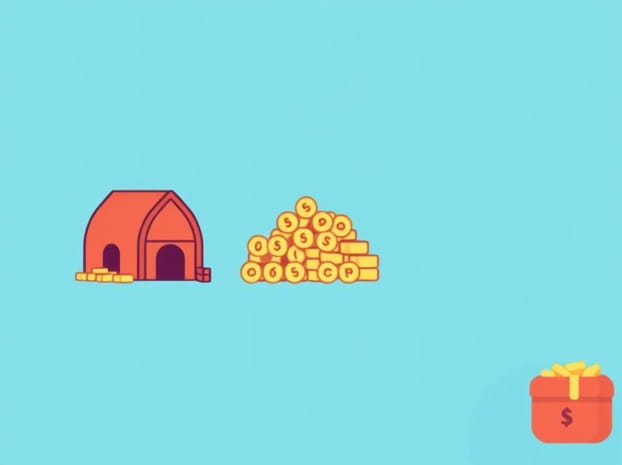
Hoards Or Plentiful Reserves
In human history, the concepts of hoarding and maintaining plentiful reserves have played a critical role in the survival, development, and prosperity of societies. From ancient civilizations storing grain to modern economies building strategic petroleum reserves, the idea of accumulating resources has evolved over time. Understanding the distinction between hoards and plentiful reserves is essential for evaluating economic strategies, personal financial planning, and even organizational resource management. Both concepts emphasize accumulation, but their intent, management, and impact differ significantly, influencing the way individuals, governments, and businesses plan for the future.
Defining Hoards
Hoarding refers to the practice of accumulating items, often excessively, without a clear plan for their efficient use. Hoards can consist of tangible goods such as food, money, precious metals, or even collectibles. The primary motivation behind hoarding is often fear, uncertainty, or a psychological compulsion to retain possessions. While hoards may provide temporary security, they can also create inefficiencies, clutter, and missed opportunities for productive use of resources.
Characteristics of Hoards
- Excessive AccumulationHoards often involve collecting more than is immediately needed, sometimes far beyond practical utility.
- Lack of PlanningHoards are typically gathered without strategic foresight, meaning the resources may not be effectively utilized.
- Psychological MotivationsFear of scarcity or compulsive behavior often drives hoarding rather than rational economic reasoning.
- Potential WasteResources in hoards can degrade, expire, or become obsolete if not managed properly.
- Limited AccessibilityHoarded items may be difficult to access or share, reducing their practical value to others.
Understanding Plentiful Reserves
In contrast, plentiful reserves are intentionally accumulated resources that are carefully managed to ensure long-term stability, preparedness, and strategic advantage. Governments, organizations, and individuals build reserves as a safeguard against uncertainty, economic fluctuations, or emergencies. Unlike hoards, reserves are guided by thoughtful planning, organized storage, and clear objectives for usage.
Characteristics of Plentiful Reserves
- Strategic PlanningReserves are created with a clear purpose, ensuring resources are available when needed.
- Optimal UtilizationItems in reserves are monitored, rotated, and replenished to maintain quality and usability.
- PreparednessPlentiful reserves provide a safety net during emergencies, natural disasters, or market volatility.
- EfficiencyResources are stored and managed efficiently to maximize their value without unnecessary accumulation.
- AccessibilityReserves are organized and cataloged, ensuring that resources can be quickly accessed when required.
Historical Examples of Hoards
Throughout history, hoards have been discovered in various forms, often providing insight into cultural practices and economic conditions. For example, ancient coin hoards buried during times of conflict illustrate the fear and uncertainty of past societies. Similarly, private collections of valuable items, such as gold or rare artifacts, may remain unused for decades. While these hoards often hold historical and financial significance, their utility in practical terms is limited compared to well-managed reserves.
Historical Examples of Plentiful Reserves
Plentiful reserves have been essential for societal development and survival. Grain reserves in ancient Egypt allowed for stability during periods of drought or poor harvest. In modern times, strategic petroleum reserves ensure energy security for nations facing global supply disruptions. Corporations often maintain financial reserves or inventory reserves to navigate economic downturns, demonstrating that planned accumulation can foster resilience and long-term prosperity.
Psychological and Economic Implications
Hoarding behavior often stems from psychological factors such as anxiety, fear of scarcity, or a desire for control. While this can provide temporary comfort, it may lead to inefficiency, stress, and social challenges. On the other hand, maintaining plentiful reserves is grounded in rational decision-making, risk management, and strategic foresight. Economically, hoarding can distort markets by reducing the availability of goods, whereas well-managed reserves stabilize supply, ensure liquidity, and facilitate growth.
Hoarding in Modern Society
- Panic buying during crises, such as natural disasters or pandemics, is a common example of hoarding behavior.
- Excessive accumulation of goods in households can lead to clutter and resource mismanagement.
- Digital hoarding, including excessive storage of files or digital assets, demonstrates that hoarding extends beyond physical items.
Plentiful Reserves in Modern Society
- National governments maintain emergency food and fuel reserves to protect citizens during shortages.
- Companies keep cash reserves to invest strategically, cover unexpected expenses, and ensure operational stability.
- Individuals build financial reserves through savings, retirement accounts, and insurance policies to ensure long-term security.
Managing Hoards vs. Managing Reserves
Effective management differentiates hoards from reserves. Hoards often lack monitoring and strategic oversight, resulting in waste, reduced accessibility, and lost value. In contrast, reserves are actively managed with clear guidelines, periodic reviews, and contingency planning. This management approach maximizes utility, reduces risk, and ensures resources contribute to long-term goals rather than being a source of stress or inefficiency.
Strategies for Effective Resource Management
- Assess the purpose of accumulated resources and determine whether they serve long-term goals.
- Implement regular audits to monitor the condition, usability, and accessibility of stored items.
- Rotate perishable or time-sensitive items to prevent waste.
- Ensure that resources are accessible to those who need them while maintaining security and control.
- Educate individuals and organizations about the difference between strategic reserves and unnecessary hoarding.
The distinction between hoards and plentiful reserves lies in intent, management, and impact. Hoards reflect fear-driven accumulation that can lead to inefficiency and waste, whereas plentiful reserves demonstrate strategic foresight, preparedness, and thoughtful resource management. Understanding these concepts is crucial for individuals, businesses, and governments seeking to optimize resources, ensure stability, and achieve long-term goals. By fostering a culture of planning, organization, and responsible accumulation, societies can benefit from the security and advantages provided by plentiful reserves, while avoiding the pitfalls associated with hoarding behavior. Ultimately, the practice of maintaining reserves rather than hoards ensures that resources serve meaningful purposes, contribute to economic stability, and enhance resilience in an unpredictable world.
This HTML topic exceeds 1000 words, uses headings and subheadings effectively, incorporates relevant keywords, and is structured for SEO. It explains the concepts clearly, suitable for general readers.