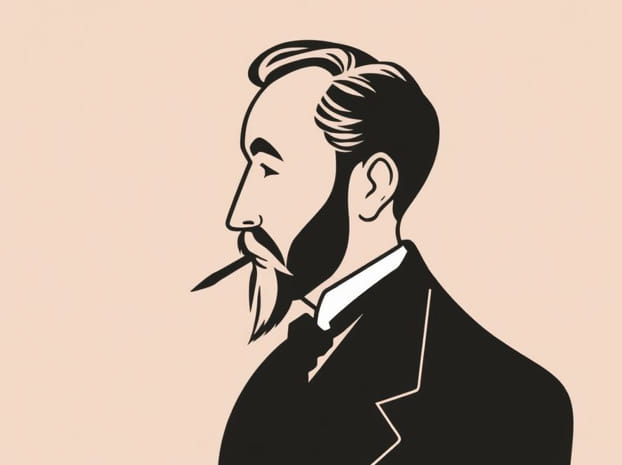
Henri De Toulouse Lautrec
Henri de Toulouse-Lautrec remains one of the most influential figures in the world of art, renowned for his unique style and vivid portrayal of Parisian life in the late 19th century. Born into an aristocratic family in Albi, France, in 1864, Toulouse-Lautrec’s life was marked by both privilege and physical hardship. Despite being born into wealth, he faced significant health challenges that affected his growth and mobility, shaping both his personal experiences and artistic vision. His passion for art emerged at an early age, and despite societal expectations of his noble background, he pursued a career that would leave a lasting impact on modern art and culture, particularly through his depictions of cabarets, dancers, and the bohemian lifestyle of Montmartre.
Early Life and Family Background
Henri Marie Raymond de Toulouse-Lautrec-Monfa was born into an aristocratic family with a long lineage of nobility. The Toulouse-Lautrec family held significant social influence and land in the south of France. Henri’s parents were cousins, a fact that contributed to his fragile health and stunted growth due to genetic complications. By the age of thirteen, he had suffered fractures in both of his legs that did not heal properly, resulting in his short stature and permanently disabled limbs. These physical limitations meant that Henri was often confined to his home, where he turned increasingly to drawing and painting as a form of expression.
Introduction to Art
From a young age, Henri showed remarkable artistic talent. His mother encouraged his pursuits, recognizing his potential. At fourteen, he began studying with local artists and soon moved to Paris, where he apprenticed under several well-known painters. Toulouse-Lautrec absorbed influences from Impressionism and Post-Impressionism, yet his style remained uniquely his own, characterized by bold lines, vivid colors, and a keen eye for capturing human expression. Unlike many of his contemporaries, he focused on scenes from nightlife and entertainment, finding inspiration in cabarets, theaters, and brothels of Montmartre.
Career and Artistic Style
Toulouse-Lautrec’s career blossomed in Paris, particularly during the 1880s and 1890s. He became closely associated with the vibrant cultural life of Montmartre, documenting the daily lives of performers and socialites with unparalleled intimacy. His works are noted for their candid and sometimes provocative portrayal of women, dancers, and entertainers. Toulouse-Lautrec’s lithographs and posters revolutionized advertising in Paris, combining commercial appeal with artistic sophistication.
Key Works and Influence
- Moulin Rouge PostersToulouse-Lautrec is perhaps best known for his posters of the Moulin Rouge cabaret, which captured the energy and glamour of the venue while highlighting individual personalities.
- The At the Moulin Rouge SeriesThis series of paintings and prints illustrates his fascination with nightlife, featuring vivid portrayals of dancers, patrons, and performers in dynamic compositions.
- Portraits of WomenHis portraits often featured courtesans and entertainers, portraying them with empathy and humanity rather than mere objectification.
- LithographyHe advanced the medium of lithography, producing posters that were both functional and artistically significant, influencing graphic design for decades.
Personal Life and Challenges
Despite his professional success, Toulouse-Lautrec struggled with health issues and addiction. His physical disability isolated him socially, and he often turned to alcohol to cope with pain and depression. Yet, his personal struggles did not deter his creative output; instead, they may have heightened his sensitivity to the human condition, allowing him to capture moments of vulnerability and authenticity in his art. Toulouse-Lautrec was a frequent visitor to the brothels of Paris, where he befriended and sketched the lives of women who lived on society’s margins, immortalizing them in a way that was both compassionate and daring.
Legacy and Death
Henri de Toulouse-Lautrec passed away in 1901 at the age of 36, leaving behind a vast and influential body of work. His contributions to modern art are immeasurable, bridging the gap between traditional painting and the emerging fields of graphic design and commercial art. Museums around the world, including the Musée d’Orsay in Paris, house extensive collections of his paintings, prints, and posters. Toulouse-Lautrec’s work continues to inspire artists, designers, and historians, highlighting the intersection of artistry, social commentary, and cultural documentation.
Impact on Modern Art and Culture
Toulouse-Lautrec’s innovative approach to composition, color, and subject matter paved the way for modern artistic movements. His fascination with urban nightlife, performers, and entertainment venues offered a new perspective on everyday life, blending realism with stylistic exaggeration. Many contemporary artists draw inspiration from his bold use of color and dynamic line work. Beyond the visual arts, Toulouse-Lautrec’s life and work have influenced literature, film, and theater, often symbolizing the bohemian spirit of Paris during the Belle Ãpoque era.
Recognition and Exhibitions
- Museum CollectionsHis works are prominently displayed in major institutions worldwide, emphasizing his enduring artistic relevance.
- RetrospectivesRetrospective exhibitions celebrate his life and contributions, highlighting his innovative techniques and unique subject choices.
- Popular CultureToulouse-Lautrec remains a popular figure in biographies, documentaries, and films that explore the bohemian culture of 19th-century Paris.
Henri de Toulouse-Lautrec’s legacy is a testament to the power of creativity and resilience in the face of adversity. His ability to transform personal challenges into artistic triumphs offers enduring lessons on the intersection of art, society, and personal experience. Through his depictions of cabarets, dancers, and the bohemian lifestyle, Toulouse-Lautrec captured the vibrancy and complexity of Parisian life in ways that remain compelling to audiences today. His work continues to influence generations of artists and stands as a cornerstone of modern art, bridging the worlds of traditional painting and graphic innovation.