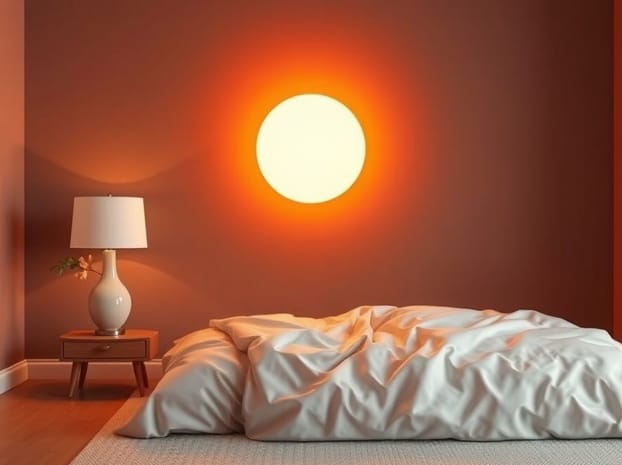
Heat Absorbing Material For Room
Maintaining a comfortable room temperature is essential for both health and productivity, especially in regions with extreme climates. One of the most effective ways to regulate indoor temperature is through the use of heat-absorbing materials. These materials help control the amount of heat entering or leaving a room, reducing the reliance on artificial cooling or heating systems. Heat-absorbing materials, also known as thermal mass materials, work by storing heat energy during periods of high temperature and releasing it when the temperature drops. Understanding the types of heat-absorbing materials available, their properties, and applications can help homeowners, architects, and interior designers create spaces that remain comfortable while minimizing energy consumption and costs.
What Are Heat-Absorbing Materials?
Heat-absorbing materials are substances capable of absorbing, storing, and releasing thermal energy efficiently. These materials typically have high specific heat capacity, which means they can absorb a significant amount of heat without a substantial increase in temperature. They play a critical role in passive heating and cooling strategies for buildings. By integrating these materials into walls, floors, ceilings, and furniture, rooms can maintain a stable temperature for longer periods, reducing the need for air conditioning or heating systems.
Key Characteristics of Heat-Absorbing Materials
- High specific heat capacity to store large amounts of heat.
- Good thermal conductivity to distribute absorbed heat evenly.
- Durability and resistance to environmental wear.
- Non-toxic and safe for indoor use.
- Aesthetic compatibility with interior design, when used visibly.
Types of Heat-Absorbing Materials for Rooms
Various materials can be used to enhance the heat absorption capability of a room. Selecting the right material depends on factors such as budget, design, and the specific climate conditions. Common heat-absorbing materials include natural stone, concrete, brick, water, phase-change materials, and certain fabrics or insulation products.
1. Natural Stone
Natural stones such as granite, marble, and slate have high thermal mass, making them excellent heat absorbers. These stones absorb heat during the day and release it slowly when temperatures drop, keeping the room warm in cooler evenings. Stone can be incorporated into floors, walls, and countertops, combining functionality with aesthetic appeal.
2. Concrete
Concrete is widely used in modern construction due to its affordability, durability, and heat absorption properties. Its dense structure allows it to store heat effectively. Concrete floors and walls can act as thermal buffers, absorbing heat from sunlight or indoor lighting and releasing it gradually to stabilize indoor temperatures.
3. Brick
Bricks are another popular material for heat absorption. They have moderate thermal mass and can store heat energy effectively. When used in walls, bricks help maintain consistent indoor temperatures, especially in homes with direct sun exposure. Bricks also offer sound insulation and structural benefits.
4. Water
Water has one of the highest specific heat capacities of common materials, making it extremely effective for heat storage. Incorporating water features such as tanks, fountains, or thermal storage panels into a room’s design can enhance heat regulation. Water can absorb excess heat during the day and release it slowly at night, improving indoor comfort and reducing energy costs.
5. Phase-Change Materials (PCMs)
Phase-change materials are innovative substances that absorb or release heat during their transition between solid and liquid states. These materials can be integrated into walls, ceilings, or furniture to maintain consistent temperatures. PCMs offer precise thermal regulation and are increasingly used in modern energy-efficient buildings to reduce the reliance on mechanical heating and cooling systems.
6. Heat-Absorbing Fabrics and Insulation
Certain fabrics and insulation materials can enhance heat absorption in a room. Heavy curtains, rugs, and upholstered furniture made from thick, dense fabrics can absorb heat and reduce temperature fluctuations. Similarly, thermal insulation materials in walls and ceilings, such as mineral wool or polystyrene, help retain heat within a room, preventing energy loss and maintaining comfort.
Applications of Heat-Absorbing Materials in Room Design
Incorporating heat-absorbing materials into room design is an effective strategy for passive temperature control. These materials can be applied in various ways to optimize their thermal properties and improve energy efficiency. Proper integration involves understanding the placement, orientation, and combination of materials to maximize their heat absorption potential.
Flooring and Walls
Using natural stone, concrete, or brick in floors and walls can provide consistent heat regulation throughout the room. South-facing walls and floors in regions with significant sunlight can particularly benefit from these materials, absorbing heat during the day and releasing it slowly at night. This approach reduces the need for active heating or cooling, promoting energy savings.
Furniture and Interior Decor
Furniture made from dense wood or upholstered with thick fabrics can contribute to heat absorption. Rugs, curtains, and cushions help retain heat within the room, while water-based decorative features or storage panels can further enhance thermal regulation. The combination of functional design and heat-absorbing materials ensures both comfort and aesthetic appeal.
Insulation and Structural Design
Integrating thermal insulation into walls, ceilings, and roofs can significantly enhance a room’s ability to retain absorbed heat. Insulated panels, phase-change materials, and strategically placed thermal mass components help maintain consistent temperatures. Designing rooms with high ceilings and proper ventilation can also optimize the performance of heat-absorbing materials.
Benefits of Using Heat-Absorbing Materials
Incorporating heat-absorbing materials into a room offers multiple benefits, including energy efficiency, improved comfort, and environmental sustainability. By regulating indoor temperatures naturally, these materials reduce reliance on air conditioning and heating systems, lowering energy bills and greenhouse gas emissions. They also contribute to a healthier living environment by reducing temperature extremes and improving overall indoor air quality.
Energy Efficiency
- Reduces the need for artificial heating and cooling.
- Helps lower electricity bills and energy consumption.
- Supports sustainable building practices and eco-friendly design.
Comfort and Health
- Maintains consistent indoor temperatures for improved comfort.
- Prevents temperature fluctuations that can cause health issues.
- Creates a more pleasant and stable living environment.
Environmental Impact
- Reduces carbon footprint by lowering energy usage.
- Supports sustainable architecture and building practices.
- Encourages the use of natural and renewable materials.
Heat-absorbing materials play a vital role in maintaining comfortable indoor temperatures while promoting energy efficiency. From natural stone and concrete to water and phase-change materials, these substances offer effective ways to regulate heat in a room. By integrating heat-absorbing materials into floors, walls, furniture, and insulation, homeowners and designers can create spaces that remain comfortable throughout the day and night while reducing reliance on mechanical heating and cooling. The thoughtful use of these materials not only enhances comfort but also supports sustainable living practices, making them an essential consideration for modern building and interior design. Understanding and implementing heat-absorbing materials ensures a practical, cost-effective, and environmentally friendly approach to room temperature management.