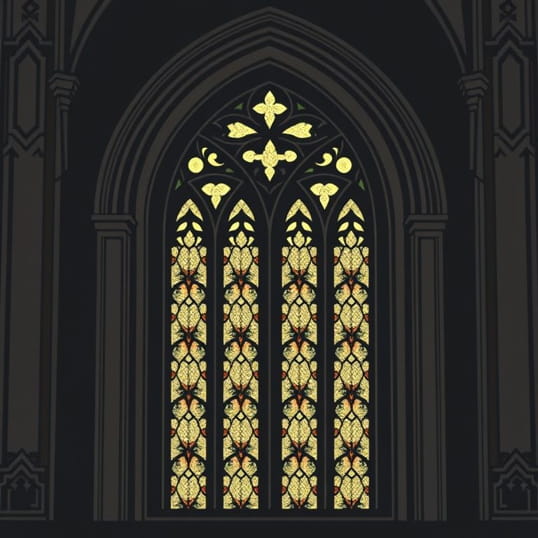
Great East Window York Minster
The Great East Window of York Minster is one of the most breathtaking examples of medieval stained glass artistry in the world. Located in the heart of the cathedral, it dominates the eastern end with its immense scale, intricate design, and vibrant colors that have captivated visitors for centuries. This magnificent window is not only a visual masterpiece but also a historical and spiritual treasure, telling biblical stories with remarkable clarity and emotion. The Great East Window stands as a symbol of York Minster’s enduring religious significance and its importance as a center of art, culture, and history in England.
Historical Background
Construction and Early History
The Great East Window was commissioned during the early 15th century under the direction of Archbishop Richard Scrope. Its construction began around 1405 and was completed in 1408, making it the largest expanse of medieval stained glass in England. Designed by master glaziers of the period, the window was intended to reflect the power, wealth, and spiritual devotion of the Church. The grandeur of the window was unparalleled at the time, and it became a focal point of worship and contemplation for generations of clergy and parishioners.
Influences and Style
The design of the Great East Window was influenced by both Gothic architecture and the rich tradition of stained glass work that had developed in Northern Europe. Its vertical emphasis and intricate tracery reflect the Gothic style, while the detailed narrative panels showcase the skill of the artisans. The window was intended to teach and inspire, with each section carefully crafted to depict biblical stories and convey religious messages. Its design reflects a balance of aesthetic beauty and educational purpose, making it a masterpiece of both art and theology.
Architectural Features
Size and Structure
The Great East Window measures approximately 77 feet in height and 32 feet in width, making it one of the largest single stained glass windows in the world. It consists of 311 panels, each telling a different part of the biblical narrative. The window’s framework is made of lead cames, supporting the individual pieces of colored glass. The Gothic tracery at the top adds both structural support and decorative elegance, creating a sense of height and grandeur that enhances the overall impact of the cathedral interior.
Stained Glass Imagery
The imagery within the Great East Window is both complex and compelling. The panels depict scenes from the life of Christ, the Virgin Mary, and various saints, with each figure rendered in exquisite detail. The use of color is particularly striking, with deep reds, blues, and greens creating a luminous effect as sunlight filters through the glass. Each scene is framed carefully, allowing viewers to follow the biblical narrative from bottom to top, creating a visual storytelling experience that is both immersive and spiritually uplifting.
Techniques and Craftsmanship
The glaziers who created the Great East Window employed advanced techniques for the time, including painting details onto the glass and firing it to fuse the colors. The careful assembly of thousands of individual pieces required precision and patience. The lead framework was meticulously crafted to hold the glass securely while maintaining the integrity of the design. The result is a window that has endured centuries, surviving both natural wear and periods of social upheaval, and still retaining its vibrant beauty today.
Religious and Cultural Significance
Symbolism and Meaning
The Great East Window is rich in symbolism. Each figure and scene carries theological significance, representing key events from Christian scripture. The positioning of the window at the eastern end of York Minster aligns with traditional liturgical practices, symbolizing the light of Christ rising in the east. The window’s height and scale inspire awe and reverence, reinforcing the spiritual atmosphere of the cathedral and encouraging reflection and devotion among worshippers.
Impact on the Community
Over the centuries, the Great East Window has served as both a religious focal point and a cultural icon. It has been admired by pilgrims, tourists, and art historians alike, contributing to York’s reputation as a center of history and art. The window also reflects the social and political influence of the Church during the medieval period, as its creation required significant resources and patronage. Today, it continues to connect the community with its heritage, acting as a bridge between the past and present.
Conservation and Restoration
Challenges of Preservation
Maintaining a window of this size and age presents significant challenges. Exposure to sunlight, weather, and pollution can damage the glass and lead framework. Over the centuries, various restoration efforts have been undertaken to ensure the longevity of the Great East Window. Conservators must balance preserving the original artistry with protecting the structure from further deterioration, employing modern techniques such as protective glazing and careful cleaning methods.
Recent Restoration Efforts
One of the most significant restoration projects took place in the late 20th and early 21st centuries. Specialists carefully removed each panel, repaired broken glass, and reinforced the lead supports. The restoration process also involved detailed documentation and research to understand the original techniques used by the medieval glaziers. These efforts have ensured that the Great East Window remains a vibrant and structurally sound masterpiece, allowing future generations to experience its beauty and historical significance.
Visiting the Great East Window
Experience for Tourists and Pilgrims
Visiting York Minster and seeing the Great East Window in person is a remarkable experience. The window’s sheer size and intricate detail become even more impressive when viewed from within the cathedral. Visitors can appreciate the play of natural light through the glass, which changes throughout the day, bringing new perspectives to the artwork. Guided tours often include detailed explanations of the biblical stories depicted, enhancing the educational and spiritual experience.
Educational Opportunities
The Great East Window also serves as a valuable resource for scholars and students of art history, architecture, and theology. Its construction techniques, artistic style, and historical context provide rich material for research and study. Educational programs at York Minster allow participants to learn about the medieval craft of stained glass, the symbolism within the artwork, and the broader cultural significance of the cathedral itself.
Legacy and Influence
Artistic Inspiration
The Great East Window has inspired countless artists and architects over the centuries. Its combination of scale, color, and narrative design set a benchmark for stained glass work throughout Europe. The techniques developed by its medieval glaziers influenced subsequent generations of artisans, and its iconic imagery continues to appear in art, literature, and media as a symbol of religious and artistic achievement.
Cultural Heritage
As a centerpiece of York Minster, the Great East Window contributes to the cathedral’s status as a UNESCO World Heritage landmark. It represents a unique convergence of art, history, and spirituality, reflecting the cultural identity of York and the broader historical narrative of England. The preservation and continued admiration of this masterpiece ensure that it remains a vital part of the nation’s heritage.
The Great East Window of York Minster is more than just a magnificent stained glass installation; it is a testament to the skill, devotion, and vision of medieval artisans. Its scale, artistry, and religious significance make it an enduring symbol of York’s historical and cultural richness. Visitors are drawn to its beauty, scholars study its construction, and worshippers find inspiration in its spiritual narratives. Through careful preservation and continued appreciation, the Great East Window continues to shine as one of the most remarkable achievements in medieval art and architecture, embodying centuries of faith, craftsmanship, and cultural heritage.