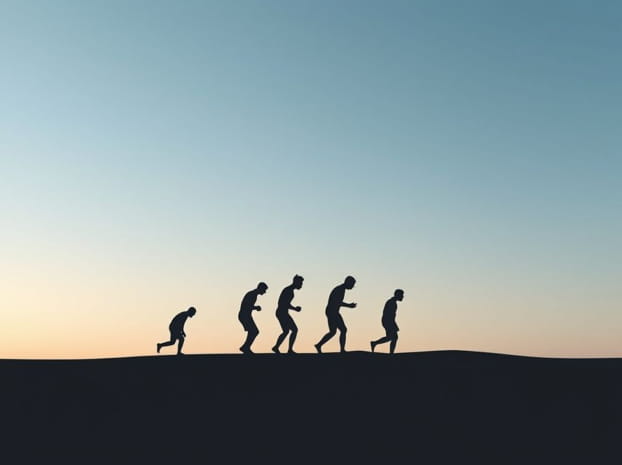
From An Evolutionary Perspective
From an evolutionary perspective, understanding the diversity of life on Earth requires a consideration of how species have adapted over millions of years to survive and reproduce in their respective environments. Evolution provides the framework for explaining the emergence of complex traits, behavioral patterns, and physiological mechanisms that enhance survival. By examining organisms through the lens of evolution, we gain insight into the processes of natural selection, genetic variation, and speciation, which together shape the incredible diversity of life forms that inhabit our planet today. This perspective allows scientists and researchers to trace the origins of adaptations, explore relationships among species, and predict how organisms might respond to future environmental changes.
Natural Selection and Adaptation
At the core of evolutionary theory is the concept of natural selection, first articulated by Charles Darwin. Natural selection operates on the principle that individuals with traits better suited to their environment are more likely to survive and reproduce, passing those advantageous traits to the next generation. Over time, this process leads to adaptation, whereby populations evolve characteristics that enhance their fitness within specific ecological niches.
Examples of Adaptation
- Mimicry in InsectsCertain species of butterflies and moths have evolved wing patterns that resemble poisonous species, reducing predation risk.
- Camouflage in Predators and PreyMany animals develop coloration and patterns that allow them to blend into their environment, either to ambush prey or evade predators.
- Physiological AdaptationsDesert animals, such as the kangaroo rat, have evolved kidneys that conserve water, allowing survival in arid conditions.
Genetic Variation and Evolutionary Potential
Genetic variation is the raw material of evolution. Differences in DNA sequences among individuals in a population provide the diversity necessary for natural selection to act upon. Mutations, genetic recombination, and gene flow contribute to this variation, creating a pool of traits that may offer survival advantages under changing environmental conditions.
Mechanisms Creating Genetic Diversity
- MutationRandom changes in genetic material that can lead to new traits, some of which may improve fitness.
- RecombinationThe shuffling of genes during sexual reproduction generates novel combinations of traits.
- Gene FlowThe movement of genes between populations introduces new genetic material, increasing variation.
Without genetic variation, populations cannot adapt to environmental changes, which may lead to decline or extinction. From an evolutionary perspective, maintaining genetic diversity is crucial for the long-term survival of species.
Speciation and the Tree of Life
Speciation is the process by which new species arise from existing ones. Over long periods, populations can diverge genetically due to isolation, environmental pressures, or behavioral differences. This divergence eventually leads to the formation of distinct species capable of independent reproduction.
Types of Speciation
- Allopatric SpeciationOccurs when populations are geographically isolated, leading to genetic divergence.
- Sympatric SpeciationHappens within a shared environment, often through ecological specialization or behavioral changes.
- Peripatric and Parapatric SpeciationInvolve smaller population groups diverging at the periphery of the main population or along environmental gradients.
The result of these processes is the branching pattern of the tree of life, where all species share common ancestors but have diversified over time into a multitude of forms. Understanding speciation helps explain the origin of biodiversity and the relationships among different organisms.
Evolutionary Perspectives on Behavior
Behavioral traits, like physical adaptations, can also evolve through natural selection. Behaviors that increase survival or reproductive success are more likely to be inherited and refined over generations. From an evolutionary perspective, behaviors are often shaped by ecological challenges, social interactions, and reproductive strategies.
Examples of Evolutionary Behavior
- Foraging StrategiesAnimals develop specific feeding behaviors that maximize energy intake while minimizing risk.
- Mating RitualsMany species evolve elaborate courtship behaviors that improve reproductive success and ensure genetic quality.
- Social CooperationSome species, such as ants and bees, exhibit cooperative behaviors that enhance colony survival, demonstrating the evolutionary benefits of social organization.
Human Evolution from an Evolutionary Perspective
Humans provide a compelling example of evolution in action. From our primate ancestors, humans have evolved unique physical and cognitive traits that enable complex communication, problem-solving, and culture. Bipedalism, large brain size, and language capabilities are all products of evolutionary pressures over millions of years. Understanding human evolution allows us to trace the development of diseases, behaviors, and social structures, as well as our interactions with other species and ecosystems.
Genetic Evidence and Fossil Records
- Fossil records reveal the anatomical changes from early hominins to modern humans, including skeletal modifications and tool use evidence.
- Genetic studies show close relationships with other primates, particularly chimpanzees, and provide insights into human migration and adaptation.
- Evolutionary medicine applies this perspective to understand why certain diseases exist and how human bodies respond to environmental stresses.
Implications for Conservation and Ecology
From an evolutionary perspective, conservation efforts benefit from understanding how species adapt to their environments. Preserving habitats, protecting genetic diversity, and maintaining ecological interactions are critical for ensuring species’ long-term survival. Recognizing the evolutionary history of organisms allows conservationists to prioritize strategies that enhance resilience and adaptability in the face of climate change, habitat destruction, and human impact.
Applications in Conservation Biology
- Identifying evolutionarily significant units for protection based on genetic and ecological distinctiveness.
- Restoring ecosystems to support natural selection processes and adaptive potential.
- Monitoring population genetics to prevent inbreeding and loss of diversity.
Viewing life from an evolutionary perspective provides a powerful lens through which to understand the diversity, complexity, and interconnections of organisms on Earth. By examining natural selection, adaptation, genetic variation, speciation, and behavior, we gain insights into how species have evolved to survive and thrive in their environments. This perspective is not only fundamental to biology but also essential for medicine, ecology, and conservation. Appreciating evolution helps us understand the past, interpret the present, and anticipate the challenges that species, including humans, may face in a rapidly changing world.