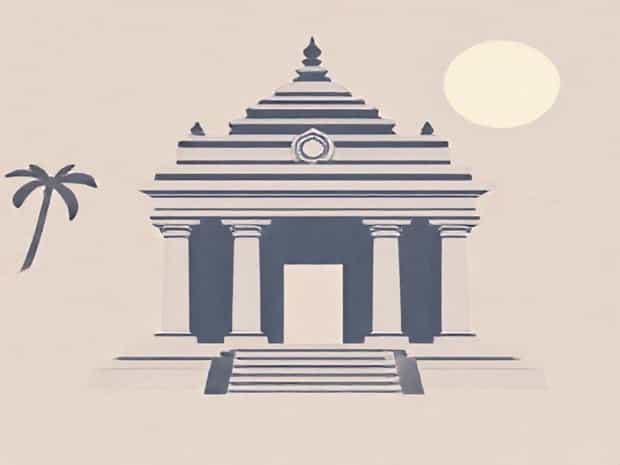
Famous Dravidian Style Temple
Dravidian style temples are among the most iconic and historically significant architectural marvels of southern India, renowned for their towering gopurams, intricate carvings, and elaborate sculptures. These temples are not just places of worship; they serve as cultural hubs, showcasing the artistic and engineering prowess of ancient South Indian dynasties such as the Cholas, Pallavas, and Vijayanagara rulers. Characterized by a unique architectural vocabulary, Dravidian temples reflect a harmonious blend of religious symbolism, urban planning, and aesthetic grandeur. Exploring the famous Dravidian style temples provides insight into South India’s rich heritage, religious practices, and the evolution of temple architecture over centuries.
Introduction to Dravidian Temple Architecture
Dravidian architecture is a distinct style that developed primarily in the southern part of India. It is marked by pyramid-shaped towers called vimanas, towering entrance gateways known as gopurams, pillared halls, and sacred enclosures called prakarams. The architectural style is heavily influenced by Hindu mythology, and its design principles are rooted in the ancient texts of Vastu Shastra and Agama Shastra. Each component of a Dravidian temple has symbolic significance, representing spiritual concepts such as the connection between the earthly realm and the divine.
Key Features of Dravidian Temples
- GopuramTowering, ornate entrance gateways adorned with colorful sculptures depicting gods, goddesses, and mythological scenes.
- VimanaThe sanctum tower situated above the main shrine, usually pyramid-shaped, representing the cosmic mountain.
- MandapamPillared halls used for congregational worship, festivals, and cultural performances.
- PrakaramEnclosed corridors around the sanctum, allowing devotees to circumambulate the deity.
- Sculptural DetailingIntricate carvings on walls, pillars, and ceilings illustrating religious stories, celestial beings, and animals.
Famous Dravidian Style Temples
Several Dravidian temples are renowned for their architectural brilliance, cultural significance, and historical value. These temples attract pilgrims, tourists, and scholars from across the world, offering a glimpse into the spiritual and artistic legacy of South India.
Brihadeeswarar Temple, Thanjavur
Built by Raja Raja Chola I in the 11th century, the Brihadeeswarar Temple in Thanjavur is a UNESCO World Heritage site and one of the finest examples of Chola architecture. The temple is dedicated to Lord Shiva and is famous for its massive vimana, exquisite frescoes, and grand Nandi statue carved from a single stone. The precision in stone carving and the scale of construction demonstrate the Cholas’ advanced engineering and artistic skills.
Meenakshi Amman Temple, Madurai
The Meenakshi Amman Temple is a sprawling complex in Madurai, Tamil Nadu, dedicated to Goddess Meenakshi and Lord Sundareswarar. The temple is renowned for its towering gopurams, each covered with thousands of vividly painted sculptures. Its pillared halls, sacred tank, and vibrant annual festivals make it a hub of religious and cultural activities. The temple’s architectural design reflects a blend of Dravidian styles developed over centuries by the Pandya and Nayak dynasties.
Chennakesava Temple, Belur
Constructed by the Hoysala dynasty in the 12th century, the Chennakesava Temple in Belur, Karnataka, is known for its intricate carvings and detailed sculptures depicting Hindu epics such as the Ramayana and Mahabharata. Although Hoysala architecture is slightly different from the traditional Tamil Dravidian style, the temple shares the emphasis on elaborate stonework and artistic detailing that defines southern Indian temple architecture.
Virupaksha Temple, Hampi
The Virupaksha Temple in Hampi, Karnataka, is part of the UNESCO World Heritage site of Hampi. Dedicated to Lord Virupaksha, an aspect of Shiva, the temple features a grand gopuram, long pillared halls, and beautifully sculpted panels. Built during the Vijayanagara Empire, the temple complex illustrates the fusion of Dravidian architectural principles with local artistic innovations.
Religious and Cultural Significance
Dravidian temples are not just architectural marvels; they hold immense religious and cultural importance. These temples serve as centers of worship, education, art, and community gatherings. Devotees visit these temples for daily prayers, rituals, and festivals, which often include music, dance, and drama performances that celebrate Hindu mythology and local traditions.
Festivals and Rituals
Major festivals such as Pongal, Navaratri, and the Chithirai festival in Madurai are celebrated with grandeur at Dravidian temples. Processions, decorated deities, and traditional performances are integral to these celebrations, reflecting the vibrant cultural life of South India. The temples also conduct regular poojas and ceremonies, reinforcing religious devotion and community cohesion.
Architectural Innovations
Dravidian temples are notable for their architectural innovations, including the use of massive granite blocks, precise alignment of gopurams, and sophisticated water management systems. Many temples have temple tanks and step wells designed for ritual bathing and irrigation. The symmetry and proportion of the structures are guided by Vastu Shastra principles, ensuring both spiritual significance and structural stability.
Artistic Detailing
- Carvings of deities, celestial beings, and mythological stories on walls and pillars.
- Intricate sculptures depicting animals, floral motifs, and geometric patterns.
- Frescos and murals illustrating cultural narratives and historical events.
- Stone inscriptions providing historical records of the dynasties that commissioned the temples.
Conservation and Tourism
Many Dravidian temples are preserved as heritage sites and attract millions of visitors annually. Governments and cultural organizations have initiated restoration projects to maintain the structural integrity and artistic details of these temples. Tourism associated with these temples supports local economies, while conservation efforts ensure that future generations can appreciate their historical, religious, and architectural significance.
Visitor Experience
Tourists visiting Dravidian temples can explore massive gopurams, walk through pillared halls, admire detailed carvings, and participate in temple rituals. Guided tours often include explanations of architectural elements, mythological stories, and historical context, enhancing the understanding and appreciation of these cultural treasures. Many temples also host traditional performances, art exhibitions, and festivals, offering immersive cultural experiences.
Interesting Facts About Dravidian Temples
- Gopurams are often taller than the main sanctum, serving as both an architectural and symbolic landmark.
- The Brihadeeswarar Temple’s main Nandi statue weighs over 20 tons and is carved from a single stone.
- Many Dravidian temples feature underground channels for water storage and ritual bathing.
- The Meenakshi Temple in Madurai has 14 gopurams, each adorned with thousands of colorful sculptures.
- Stone inscriptions in these temples provide valuable historical records of dynasties, donations, and cultural practices.
Famous Dravidian style temples are monumental achievements of South Indian architecture, reflecting the religious devotion, artistic talent, and engineering expertise of the dynasties that built them. From the towering gopurams of the Meenakshi Temple to the intricate carvings of the Chennakesava Temple, these sacred sites provide a glimpse into the spiritual and cultural life of ancient South India. They continue to inspire awe, attract pilgrims, and serve as cultural hubs for art, music, and dance. Understanding the history, architecture, and cultural significance of Dravidian temples not only highlights the ingenuity of ancient builders but also emphasizes the importance of preserving these extraordinary monuments for future generations.