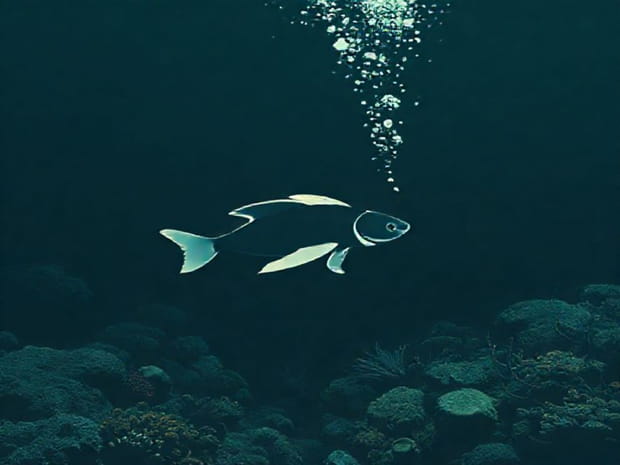
Explorer And Conservationist Who Studied Undersea Life
The mysteries of the ocean have always drawn the curiosity of explorers, scientists, and conservationists who dedicate their lives to studying undersea life. These individuals combine adventure with research, venturing into the depths to observe marine ecosystems and understand the creatures that live beneath the waves. Their work is not only about discovery but also about protecting fragile environments from human impact. By documenting undersea life, explorers and conservationists have inspired global awareness about the importance of the ocean and the urgent need to conserve it for future generations.
The Role of Explorers in Studying Undersea Life
Explorers of the ocean are often pioneers who push the limits of technology and human endurance. They dive into uncharted waters, use submersibles to reach the deepest trenches, and record details of marine biodiversity. These explorations have provided humanity with a clearer picture of coral reefs, deep-sea ecosystems, and the interconnectedness of life in the ocean. Their contributions go beyond science, as they also shape public perception and encourage communities to value the sea as an essential part of life on Earth.
Conservationist Efforts for the Ocean
Conservationists who study undersea life dedicate themselves to protecting fragile marine ecosystems. They focus on issues like overfishing, coral bleaching, habitat destruction, and pollution. By combining scientific observation with advocacy, they create solutions that aim to restore balance in marine environments. Many of these conservationists have campaigned for marine protected areas, sustainable fishing practices, and the reduction of plastic waste in the ocean. Their work bridges science and policy, ensuring that discoveries in marine biology lead to concrete actions.
Influential Figures in Undersea Exploration and Conservation
Throughout history, several explorers and conservationists have made lasting contributions to the understanding of the ocean. Their journeys, research, and advocacy have transformed the way humanity views the sea.
Jacques Cousteau
One of the most famous explorers and conservationists who studied undersea life was Jacques Cousteau. A French naval officer turned oceanographer, Cousteau co-invented the Aqua-Lung, which revolutionized scuba diving and opened the doors for underwater exploration. His documentaries introduced millions of viewers to the beauty and fragility of marine life. Through his films and books, he not only showcased exotic creatures but also warned the world about pollution, overfishing, and the urgent need to protect the seas.
Sylvia Earle
Sylvia Earle, often called Her Deepness,” is another inspiring figure in the field of marine exploration and conservation. She has led more than a hundred expeditions and spent thousands of hours underwater studying ecosystems ranging from coral reefs to the deep sea. Beyond exploration, Earle has been a passionate conservationist, advocating for the creation of marine sanctuaries and promoting global efforts to restore ocean health. Her leadership in combining science, exploration, and activism has made her one of the most influential ocean advocates of modern times.
Hans Hass
Hans Hass, an Austrian biologist and filmmaker, also played a key role in undersea exploration. He was one of the early pioneers of underwater filming and used his skills to document marine ecosystems in ways that captivated public imagination. Like Cousteau, Hass emphasized not just discovery but also the need to protect marine life from human exploitation.
The Importance of Technology in Studying the Ocean
Explorers and conservationists who studied undersea life relied heavily on technological advancements to make their work possible. From early scuba gear to modern remotely operated vehicles (ROVs), technology has opened new frontiers in marine biology. Submersibles allow researchers to reach depths once thought impossible, while underwater cameras and drones capture footage of elusive species. Satellite mapping has also expanded our ability to monitor ocean health, track changes in coral reefs, and study large-scale patterns of marine migration.
Challenges Faced by Ocean Explorers and Conservationists
The ocean remains one of the least explored parts of Earth, and studying it comes with significant challenges. Some of the main obstacles include
-
Extreme DepthsThe pressure in the deep ocean makes human exploration difficult and requires specialized equipment.
-
Environmental ThreatsPollution, climate change, and overfishing can destroy ecosystems before they are even fully studied.
-
Funding and ResourcesOcean research is expensive, and conservation projects often rely on limited budgets and donations.
-
Public AwarenessInspiring people to care about remote marine environments remains a constant challenge for conservationists.
Impact of Undersea Exploration on Conservation
Explorers and conservationists who studied undersea life have shown the direct link between discovery and protection. By documenting marine biodiversity, they provide the evidence needed to establish protected areas and influence international agreements. For example, research on coral reef degradation has led to global initiatives to reduce greenhouse gas emissions and promote reef restoration. Similarly, studies on overfishing have encouraged governments to set catch limits and enforce sustainable practices.
Educational Influence of Marine Explorers
Another major contribution of these figures has been in education. Their documentaries, lectures, and writings have inspired countless students, scientists, and environmentalists. By making undersea life accessible to the public, they fostered a sense of wonder and responsibility toward the ocean. Educational outreach remains a crucial part of conservation efforts, as awareness often leads to stronger support for marine protection policies.
Modern-Day Explorers and Conservationists
Today, a new generation of explorers and conservationists continues the legacy of figures like Cousteau and Earle. Equipped with advanced technology, these modern pioneers are studying microplastics, ocean acidification, and the impact of climate change on marine life. They combine field research with digital storytelling, reaching global audiences through social media and online platforms. This blend of science, adventure, and communication keeps the spirit of exploration alive while adapting to contemporary challenges.
Global Importance of Protecting the Ocean
The work of explorers and conservationists has shown that the ocean is not just a distant frontier but a vital part of Earth’s survival. Oceans regulate climate, provide food, and sustain biodiversity. The discoveries made beneath the waves highlight the need for sustainable practices that balance human use with ecological preservation. Without these efforts, the health of marine ecosystems and by extension, human societies remains at risk.
The legacy of explorers and conservationists who studied undersea life is one of courage, curiosity, and responsibility. They ventured into unknown waters, documented incredible species, and sounded the alarm about the threats facing the ocean. Their work continues to inspire action, reminding us that protecting undersea life is not only about preserving beauty but also about ensuring the survival of our planet. By following their example, future generations can continue to explore, learn, and safeguard the ocean for years to come.