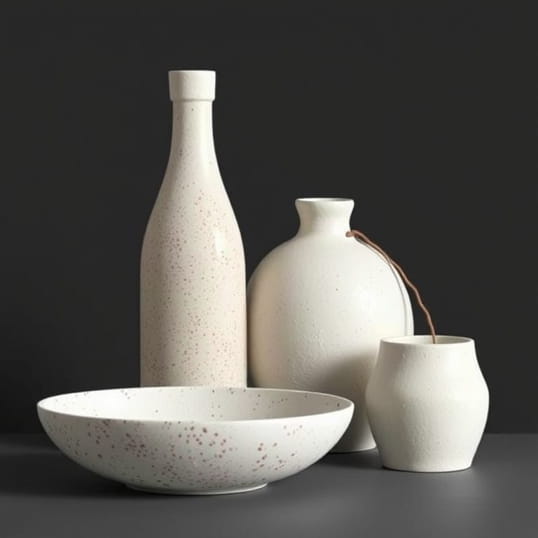
Examples Of Ceramic Materials
Ceramic materials have played a vital role in human history, from early pottery to modern aerospace applications. They are known for their durability, resistance to heat, and unique physical properties that make them useful in many industries. Today, ceramics are more advanced than ever, with a wide variety of compositions and uses. Understanding different examples of ceramic materials helps in appreciating their importance in construction, technology, medicine, and everyday life. These materials are not only strong but also versatile, making them essential in both traditional and high-tech fields.
What Are Ceramic Materials?
Ceramic materials are typically inorganic, non-metallic solids made by heating raw minerals at high temperatures. They can be crystalline, partially crystalline, or amorphous, depending on how they are processed. Ceramics are valued for their hardness, thermal stability, chemical resistance, and electrical insulation properties. Commonly, they are classified into traditional ceramics and advanced ceramics based on their composition and applications.
Traditional Ceramic Materials
Traditional ceramics are the oldest forms of ceramics, often made from natural clay and other minerals. They have been used for centuries in pottery, tiles, and construction materials.
Clay Ceramics
Clay is one of the most common and widely used ceramic materials. It is the basis of products such as pottery, bricks, and tiles. Clay ceramics are shaped when wet and hardened after firing at high temperatures, which enhances their durability and strength.
Porcelain
Porcelain is a refined type of ceramic made from kaolin clay. It is fired at very high temperatures, resulting in a smooth, dense, and translucent material. Porcelain is often used in tableware, decorative art, and electrical insulators.
Stoneware
Stoneware is another example of traditional ceramic that is tougher than earthenware but not as refined as porcelain. It is commonly used in cookware, mugs, and dishes because of its resistance to water and durability.
Advanced Ceramic Materials
Advanced ceramics are engineered for specific high-performance applications. Unlike traditional ceramics, they are made from highly pure materials and processed with precision to achieve specialized properties.
Alumina (Aluminum Oxide)
Alumina is one of the most widely used advanced ceramics. It has excellent hardness, wear resistance, and electrical insulation properties. Alumina ceramics are used in medical implants, cutting tools, and electronic substrates.
Zirconia (Zirconium Dioxide)
Zirconia is known for its high strength and toughness, which are unusual characteristics for ceramic materials. It is used in dental crowns, oxygen sensors, and fuel cell components due to its stability and resistance to cracking.
Silicon Carbide
Silicon carbide is an extremely hard ceramic material with excellent thermal conductivity. It is commonly used in abrasives, heating elements, and high-performance mechanical seals. Its ability to withstand high temperatures makes it valuable in aerospace and automotive industries.
Silicon Nitride
Silicon nitride is lightweight yet strong, with high thermal shock resistance. It is often used in bearings, engine components, and cutting tools. Its combination of toughness and low density makes it ideal for demanding mechanical applications.
Examples of Ceramic Materials in Daily Life
Beyond industrial uses, ceramic materials are all around us in everyday products. These materials provide functionality, durability, and aesthetic value in common household and technological items.
- TablewarePlates, cups, and bowls made from porcelain or stoneware.
- ConstructionTiles, bricks, and roof materials for buildings.
- InsulatorsCeramic insulators in electrical systems.
- AbrasivesSandpaper and grinding wheels made with silicon carbide or alumina.
- Medical devicesArtificial joints and dental implants using bioceramics like zirconia and alumina.
Unique Properties of Ceramic Materials
The usefulness of ceramics comes from their remarkable properties, which make them different from metals and polymers. These characteristics include
- High hardness and wear resistance
- Excellent thermal stability and heat resistance
- Electrical insulation capabilities
- Resistance to corrosion and chemical attack
- Biocompatibility for medical applications
Emerging Applications of Ceramics
As technology advances, ceramics are finding new applications in fields that require extreme performance. Their role is expanding in renewable energy, aerospace engineering, and healthcare.
Ceramics in Electronics
Modern electronics rely on ceramic substrates and components because they provide insulation and stability. Capacitors, resistors, and circuit boards often use ceramic materials to function reliably under various conditions.
Ceramics in Energy
Ceramic membranes and fuel cell components are crucial in clean energy solutions. They help in efficient energy conversion and storage, making them important for future sustainable technologies.
Ceramics in Medicine
Bioceramics are increasingly used in bone grafts, hip replacements, and dental implants. Their ability to bond with human tissue makes them valuable for long-lasting medical applications.
Examples of ceramic materials range from simple clay products to highly engineered advanced ceramics like silicon carbide and zirconia. Each type serves unique purposes, from household use to cutting-edge technology. Their remarkable properties such as heat resistance, durability, and biocompatibility ensure that ceramics will continue to shape industries and daily life. As innovations continue, ceramics are expected to play an even greater role in the future, supporting progress in medicine, energy, and technology.