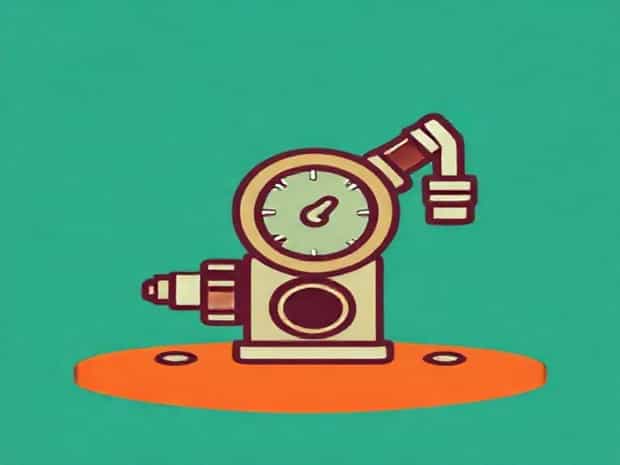
Engine Oil Pressure Sensor
Engine oil is the lifeblood of any vehicle’s engine, ensuring smooth operation, reducing friction, and preventing overheating. To maintain optimal performance, it is essential to monitor oil pressure, as insufficient oil pressure can lead to severe engine damage. This is where the engine oil pressure sensor comes into play. This small yet crucial component continuously monitors the oil pressure within the engine and provides real-time information to the vehicle’s computer system or dashboard gauge. Understanding how the engine oil pressure sensor works, its symptoms of failure, and maintenance practices is essential for every vehicle owner.
What is an Engine Oil Pressure Sensor?
The engine oil pressure sensor, also known as an oil pressure switch or sender, is a device installed on the engine block to measure the pressure of the circulating oil. It detects the hydraulic pressure created by the oil pump and sends an electrical signal to the car’s Engine Control Unit (ECU) or dashboard oil gauge. This information allows the driver to know if the engine is receiving adequate lubrication, which is vital for protecting critical engine components such as bearings, camshafts, and pistons.
How the Engine Oil Pressure Sensor Works
The engine oil pressure sensor operates based on a mechanical or electronic mechanism. In older vehicles, the sensor functions as a simple switch that triggers a warning light if oil pressure falls below a specific threshold. Modern vehicles use electronic sensors that provide variable voltage signals to the ECU, allowing precise monitoring of oil pressure across different engine speeds and loads.
- When the oil pressure is within the normal range, the sensor sends a signal indicating healthy engine lubrication.
- If oil pressure drops, the sensor alerts the ECU or dashboard, prompting the driver to take immediate action.
- Some sensors also provide data for diagnostic systems, helping mechanics detect underlying issues such as oil pump failures or leaks.
Common Symptoms of a Failing Oil Pressure Sensor
A malfunctioning engine oil pressure sensor can give false readings or fail to alert the driver of real issues, leading to potential engine damage. Common symptoms include
- Warning Light ActivationThe oil pressure light may illuminate intermittently or stay on even when oil levels are sufficient.
- Erratic Gauge ReadingsIn vehicles with an oil pressure gauge, fluctuations or unusually high or low readings can indicate sensor issues.
- Engine Performance IssuesLow or false readings may cause the ECU to trigger limp mode, reducing engine power to prevent damage.
- Oil LeaksIn some cases, a damaged sensor can leak oil, which can be detected visually around the sensor area.
Causes of Engine Oil Pressure Sensor Failure
Several factors can lead to the malfunction of an oil pressure sensor
- Wear and TearOver time, sensors can degrade due to heat, vibration, and exposure to engine oil.
- Contaminated OilDirty or sludge-laden oil can clog or damage the sensor, affecting its accuracy.
- Electrical ProblemsFaulty wiring or corroded connectors can prevent proper signal transmission to the ECU or dashboard.
- Physical DamageAccidental impacts or improper installation can harm the sensor’s mechanical or electronic components.
Diagnosing a Faulty Oil Pressure Sensor
Identifying whether the engine oil pressure sensor is faulty involves a combination of visual inspection, electrical testing, and mechanical verification
- Inspect the sensor and wiring for signs of oil leaks, corrosion, or loose connections.
- Use a multimeter to test the sensor’s electrical resistance or voltage output against manufacturer specifications.
- Check the oil pressure mechanically using a manual gauge to confirm whether the sensor reading matches the actual oil pressure.
- Scan the vehicle’s ECU for diagnostic trouble codes that may indicate sensor failure or related issues.
Replacing the Engine Oil Pressure Sensor
If the sensor is determined to be faulty, replacement is typically straightforward but must be done carefully to avoid damaging the engine or introducing leaks
- Ensure the engine is cool before attempting sensor replacement.
- Disconnect the battery to prevent electrical shorts during the replacement process.
- Remove the faulty sensor, taking care to prevent oil spillage.
- Install the new sensor, applying thread sealant if recommended by the manufacturer.
- Reconnect the wiring and battery, then start the engine to verify that the new sensor provides accurate readings.
Preventive Maintenance Tips
Proper maintenance can extend the life of the engine oil pressure sensor and ensure accurate oil pressure monitoring
- Change engine oil and filters regularly to prevent sludge buildup and sensor contamination.
- Inspect sensor wiring and connectors periodically for corrosion or damage.
- Use high-quality oil that meets manufacturer specifications to maintain optimal lubrication and sensor function.
- Address any oil leaks or low-pressure warnings promptly to prevent sensor overload or damage.
The engine oil pressure sensor is a vital component that safeguards your engine by providing real-time oil pressure information. A malfunctioning sensor can lead to inaccurate readings, engine performance issues, and even severe engine damage if left unaddressed. Regular maintenance, timely diagnostics, and proper replacement when necessary ensure that your vehicle’s engine continues to operate efficiently and reliably. By understanding the role, operation, and care of the engine oil pressure sensor, drivers can protect their engines and maintain optimal vehicle performance for years to come.