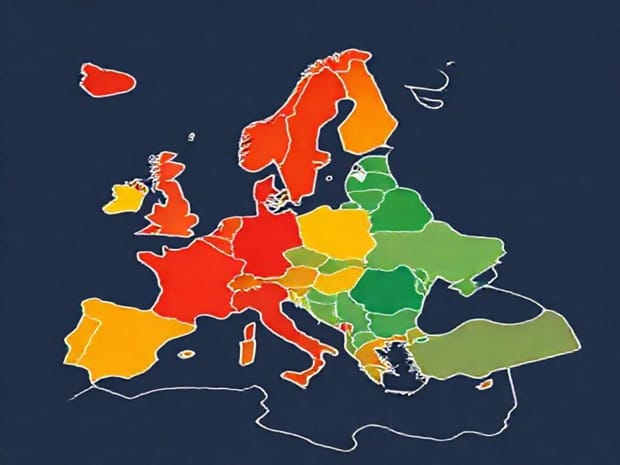
Countries In Western Europe
Western Europe is a region known for its rich history, cultural diversity, and economic strength. This area includes some of the world’s most influential countries, each offering unique landscapes, traditions, and experiences. From the bustling cities of France and Germany to the picturesque towns of Belgium and the Netherlands, Western Europe attracts millions of visitors and continues to play a crucial role in global affairs. Its countries have shaped art, politics, and science for centuries, making the region a fascinating subject for travelers, students, and researchers alike.
France
France is one of the largest and most visited countries in Western Europe. Known for its iconic landmarks such as the Eiffel Tower, Louvre Museum, and the Palace of Versailles, France is a center of art, culture, and history. Paris, the capital city, is often called the City of Light” and is famous for its fashion, cuisine, and historic architecture. Beyond Paris, regions like Provence and Normandy offer stunning natural beauty, vineyards, and quaint villages. France is also a leading country in the European Union, with a strong economy and a rich tradition in literature, cinema, and philosophy.
Germany
Germany is a country with a deep historical legacy and modern economic power. Berlin, its capital, is known for its vibrant arts scene, historic sites, and lively nightlife. Other cities like Munich, Hamburg, and Frankfurt are hubs of business, culture, and technology. Germany is famous for its castles, the Black Forest, and the scenic Rhine River. Its influence in European politics, automotive engineering, and renewable energy makes it a key player in Western Europe. Traditional events like Oktoberfest and Christmas markets highlight Germany’s cultural richness and communal traditions.
Belgium
Belgium is a small but highly significant country in Western Europe, famous for its medieval towns, chocolates, waffles, and beer. Brussels, the capital, serves as the headquarters of the European Union and NATO, making it an important political center. Cities like Bruges and Ghent are known for their cobblestone streets, canals, and Gothic architecture. Belgium is linguistically diverse, with Dutch, French, and German-speaking communities, which enriches its cultural landscape. Tourists often explore its art museums, historic battlefields, and scenic countryside.
Netherlands
The Netherlands is a country celebrated for its innovative urban planning, iconic windmills, tulip fields, and canals. Amsterdam, the capital, is famous for its historic architecture, museums, and vibrant cultural life. The Dutch are known for their progressive social policies, bicycle-friendly cities, and expertise in water management. Beyond Amsterdam, regions like Rotterdam and The Hague offer modern architecture, international governance institutions, and bustling ports. The Netherlands is also an important hub for trade and commerce in Western Europe.
Luxembourg
Luxembourg is a small but wealthy country situated between Belgium, France, and Germany. It is known for its medieval castles, fortified old towns, and banking sector. Luxembourg City, the capital, combines historic charm with modern infrastructure and international institutions. Despite its small size, Luxembourg has a diverse population and is highly multilingual, with Luxembourgish, French, and German widely spoken. The country’s political stability, economic prosperity, and strategic location make it a notable member of Western Europe.
Switzerland
Switzerland, though not a member of the European Union, is an important country in Western Europe known for its neutrality, banking industry, and stunning landscapes. Cities like Zurich, Geneva, and Bern are financial and diplomatic centers. Switzerland is famous for the Alps, skiing resorts, lakes, and high-quality chocolate. It has four national languages German, French, Italian, and Romansh, reflecting its cultural diversity. Switzerland also has a reputation for innovation, high living standards, and strong environmental policies.
Austria
Austria is a country of great historical and cultural significance in Western Europe. Vienna, the capital, is renowned for its classical music heritage, grand palaces, and coffeehouse culture. Salzburg, the birthplace of Mozart, and Innsbruck, surrounded by the Alps, are popular tourist destinations. Austria is celebrated for its contributions to music, art, and architecture. Its economy is strong, with industries ranging from tourism to technology. Austria’s landscapes, including mountains, lakes, and valleys, attract outdoor enthusiasts from around the world.
Monaco
Monaco is a tiny principality on the French Riviera, famous for its wealth, casinos, and luxury lifestyle. Monte Carlo, its most famous district, hosts international events like the Monaco Grand Prix and attracts celebrities and high-net-worth individuals. Despite its small size, Monaco has a significant influence in tourism, real estate, and finance. The country offers a Mediterranean climate, scenic coastline, and cultural festivals, making it a unique destination in Western Europe.
Key Features of Western Europe
- Diverse cultures and languages, reflecting centuries of history and migration.
- Strong economies, with countries like Germany and France leading in manufacturing, technology, and trade.
- Rich artistic and historical heritage, including museums, castles, and architecture from various periods.
- Political importance, as many countries host international organizations and play key roles in the European Union.
- Varied landscapes, from mountains and rivers to coastlines and plains, offering diverse travel experiences.
- High standards of living, advanced healthcare systems, and well-developed infrastructure.
Western Europe is a region that combines historical depth, cultural richness, and economic strength. Each country in this area has its own unique identity, traditions, and contributions to the world. From France’s art and cuisine to Germany’s technology and Austria’s music, Western Europe remains a central hub of global influence. Visitors and residents alike can enjoy a mix of modern cities, historic towns, scenic landscapes, and vibrant cultural experiences. Understanding the countries in Western Europe offers insights into both the past and present of one of the most dynamic regions in the world.