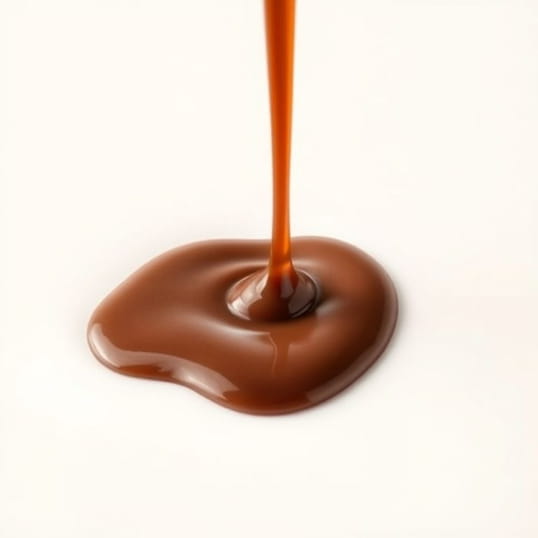
Chocolate Syrup Is Dissolved In Milk
Chocolate syrup mixed into milk creates a classic and beloved beverage that has been enjoyed by people of all ages for decades. The process seems simple, yet there is a fascinating interplay of physics, chemistry, and sensory experience behind the transformation of two common ingredients into a rich, flavorful drink. The moment chocolate syrup is added to milk, it begins to dissolve, blending sweetness, cocoa flavor, and creamy texture to create a comforting treat. Whether served cold as chocolate milk, or warmed for a soothing hot chocolate, this combination has become a staple in kitchens, cafes, and school lunchrooms worldwide. Understanding how chocolate syrup dissolves in milk and the factors affecting this process can enhance both enjoyment and preparation techniques.
The Science of Dissolving Chocolate Syrup
When chocolate syrup is poured into milk, the syrup undergoes a physical process called dissolution. Dissolving is the process by which a solute in this case, the chocolate syrup breaks down and disperses uniformly throughout the solvent, which is the milk. Milk itself is a complex liquid, consisting of water, fats, proteins, lactose, and minerals, all of which interact with the components of chocolate syrup. The cocoa solids, sugar, and flavoring agents in the syrup mix with the water and fat in the milk, creating a homogeneous solution that delivers a consistent taste with each sip.
Factors Affecting Dissolution
Several factors influence how effectively chocolate syrup dissolves in milk. Temperature is a major consideration; warmer milk increases the kinetic energy of molecules, which accelerates the dissolving process and allows the syrup to blend more smoothly. Stirring or shaking the mixture also helps distribute the syrup evenly, breaking up clumps and ensuring a uniform texture. The composition of the milk whole, skim, or plant-based alternatives can affect how well the syrup dissolves. Whole milk’s fat content enhances the creaminess of the drink, while lower-fat or non-dairy milks may require additional stirring or slightly warmer temperatures to achieve the same smooth consistency.
Techniques for Perfect Chocolate Milk
Creating the perfect chocolate milk involves more than just pouring syrup into milk. Proper technique ensures that the syrup dissolves fully, avoiding clumps and uneven flavor distribution. One effective method is to first add a small amount of milk to the syrup to form a paste, which can then be gradually diluted with the rest of the milk while stirring. This technique helps prevent settling of the syrup at the bottom of the glass. Using a whisk, spoon, or even a small milk frother can enhance the mixing process, creating a smooth and evenly flavored beverage.
Cold vs. Warm Chocolate Milk
The temperature of the milk influences not only the dissolution of chocolate syrup but also the sensory experience of drinking it. Cold chocolate milk is refreshing and ideal for hot days, but the syrup may take longer to dissolve, requiring more vigorous stirring. Warm chocolate milk, on the other hand, allows the syrup to dissolve more quickly and creates a comforting, rich drink perfect for colder weather. Understanding these differences allows individuals to adjust preparation methods depending on the desired temperature and texture of the final beverage.
Nutritional Considerations
Chocolate milk made by dissolving syrup in milk offers both indulgence and nutritional value. Milk provides essential nutrients such as calcium, vitamin D, and protein, while chocolate syrup adds sugar, cocoa, and flavor. Moderation is key; using too much syrup can increase calorie and sugar content significantly, whereas using measured amounts provides a tasty treat with a balanced nutritional profile. For those seeking lower sugar options, sugar-free or reduced-sugar chocolate syrups are available, allowing the enjoyment of chocolate milk without excessive sweetness.
Applications Beyond Simple Chocolate Milk
Chocolate syrup dissolved in milk is not limited to a standard drink. It can be used as a base for milkshakes, smoothies, or dessert sauces. Blending chocolate syrup with milk and ice cream produces a creamy milkshake, while mixing it with hot milk and a pinch of cinnamon or chili can create a gourmet hot chocolate. This versatility demonstrates how understanding the dissolution process and proper mixing techniques enhances culinary creativity, allowing one to experiment with flavors and textures beyond a simple glass of chocolate milk.
Tips for Optimal Flavor and Texture
- Start with fresh, cold milk for a clean taste, or warm milk for faster dissolution and a comforting drink.
- Pour syrup first and mix with a small amount of milk before adding the rest to ensure even distribution.
- Use a whisk or frother to break up syrup clumps and create a smooth consistency.
- Adjust the amount of syrup to taste, keeping nutritional balance in mind.
- Consider adding complementary flavors such as vanilla extract, cinnamon, or a pinch of salt to enhance the overall taste.
Common Mistakes to Avoid
Many people struggle with chocolate syrup not fully dissolving in milk, leading to uneven flavor and clumps. Common mistakes include adding syrup to milk that is too cold without stirring adequately, pouring milk too quickly onto syrup, or using low-quality syrup with thick consistency. By addressing these factors and employing proper mixing techniques, anyone can achieve smooth, rich chocolate milk consistently. Paying attention to temperature, stirring, and syrup-to-milk ratio makes a significant difference in the final product.
The simple act of dissolving chocolate syrup in milk encompasses a blend of science, technique, and enjoyment. From understanding the dissolution process and factors affecting it, to perfecting the mixing technique and adjusting for temperature, creating chocolate milk is both an art and a science. The resulting beverage provides not only a delightful flavor experience but also a chance to appreciate the interplay between common ingredients and basic chemistry. Whether consumed as a refreshing cold drink or a warm comforting treat, chocolate milk continues to be a timeless favorite enjoyed by children and adults alike. Mastering the process of dissolving chocolate syrup in milk ensures that every glass delivers a perfect balance of sweetness, creaminess, and cocoa richness, enhancing both daily enjoyment and culinary creativity.