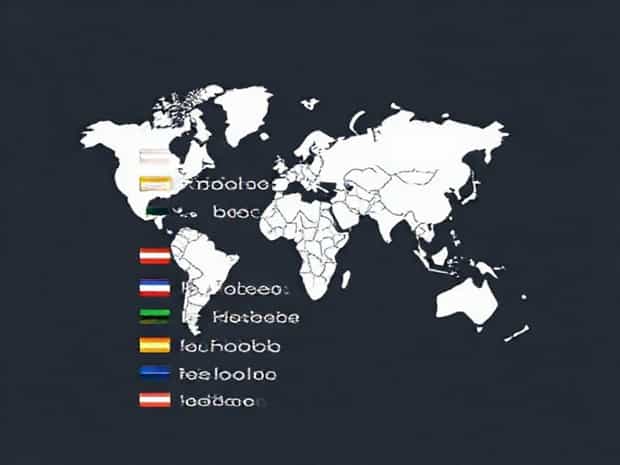
List Of Developed Countries
When people talk about the global economy, one of the most common distinctions made is between developed and developing countries. A developed country is usually defined by its high standard of living, strong infrastructure, advanced industries, and stable political and social systems. The list of developed countries is not officially the same everywhere, but it usually includes nations that have achieved significant economic growth, high income per capita, and well-established social welfare systems. Understanding which countries are developed and what makes them stand out helps us get a clearer picture of global progress, trade, and international cooperation.
What Makes a Country Developed?
Before diving into the list of developed countries, it is important to understand the criteria that typically determine whether a nation is developed. International organizations such as the United Nations, World Bank, and International Monetary Fund use different indicators, but most agree on some key factors.
Common Indicators of Development
- High Gross Domestic Product (GDP) per capita
- Strong industrial and technological sectors
- Low poverty and unemployment rates
- Stable political institutions and governance
- Well-developed healthcare and education systems
- High Human Development Index (HDI)
Countries that meet these criteria are usually considered part of the developed world. These nations often play a major role in global decision-making and influence economic policies worldwide.
Examples of Developed Countries
The list of developed countries generally includes nations from North America, Europe, parts of Asia, and Oceania. Below is a breakdown of some of the most widely recognized developed countries based on their regions.
Developed Countries in North America
- United StatesKnown for its large economy, advanced industries, and global influence.
- CanadaHigh standard of living, universal healthcare, and stable governance.
Developed Countries in Europe
- United KingdomA leading global financial center with advanced infrastructure.
- GermanyEurope’s largest economy with strong industrial and technological sectors.
- FranceHigh quality of life, advanced healthcare, and significant cultural influence.
- ItalyA developed economy with strong industries and cultural heritage.
- SpainHigh HDI, advanced services sector, and growing innovation industries.
- Sweden, Norway, Denmark, FinlandKnown for their high welfare standards, strong economies, and social equality.
- SwitzerlandAdvanced banking system and high per capita income.
- Netherlands and BelgiumDeveloped infrastructure and high living standards.
Developed Countries in Asia
- JapanA technological leader with a strong economy and innovation-driven growth.
- South KoreaKnown for rapid development, advanced industries, and global tech companies.
- SingaporeA small but highly developed financial hub with excellent infrastructure.
- IsraelA developed nation with advanced technology and strong defense industries.
Developed Countries in Oceania
- AustraliaHigh living standards, strong economy, and developed education system.
- New ZealandKnown for stable governance, high HDI, and sustainable development.
Other Recognized Developed Countries
- South Korea, Taiwan, Hong Kong, and MacaoOften considered developed due to their strong economies and high living standards.
Human Development Index and Developed Countries
One of the most widely used tools to measure development is the Human Development Index (HDI). This index considers life expectancy, education, and per capita income. Countries with very high HDI scores are typically classified as developed. For instance, Norway, Switzerland, and Ireland consistently rank among the top in HDI rankings.
Economic and Social Characteristics
When analyzing the list of developed countries, certain characteristics stand out
- Well-functioning infrastructure such as transportation, energy, and communication systems.
- Advanced technology sectors driving innovation.
- Robust healthcare systems with long life expectancy.
- Strong emphasis on education, leading to high literacy rates.
- Stable economies with diversified industries.
Developed vs. Developing Countries
The contrast between developed and developing countries is often highlighted in discussions of global inequality. Developed countries typically have high incomes, strong economies, and advanced technologies, while developing countries may still struggle with poverty, unstable governance, and limited infrastructure. However, some nations are considered emerging economies as they transition from developing to developed status.
Emerging Economies Moving Toward Development
- China Rapid industrialization and technological growth.
- India Growing IT and services sector.
- Brazil Strong agricultural and energy sectors.
- South Africa Leading economy in Africa with growing industries.
These countries are not yet classified as fully developed, but they are progressing quickly and may join the list of developed nations in the future.
Role of Developed Countries in the World
Developed nations often play a dominant role in international organizations such as the United Nations, World Bank, and World Trade Organization. They also influence climate policies, global trade agreements, and humanitarian initiatives. With their financial and technological resources, they are in a position to assist developing nations through foreign aid, trade partnerships, and investment.
Challenges Faced by Developed Countries
While developed countries enjoy many advantages, they also face unique challenges
- Aging populations leading to pressure on healthcare and pensions.
- Income inequality despite overall wealth.
- Environmental concerns due to industrialization and consumption.
- Economic shifts caused by globalization and outsourcing.
These challenges remind us that development is not a static achievement but a continuous process that requires adaptation.
The list of developed countries serves as a benchmark for global progress, showcasing nations that have achieved high levels of economic stability, technological advancement, and social welfare. While the specific list may vary depending on the criteria used, countries such as the United States, Canada, Germany, Japan, Australia, and many in Europe are consistently recognized as developed. At the same time, emerging economies continue to rise, showing that the global balance is always shifting. Understanding which nations are developed and why helps us grasp the dynamics of global economics, trade, and human progress.