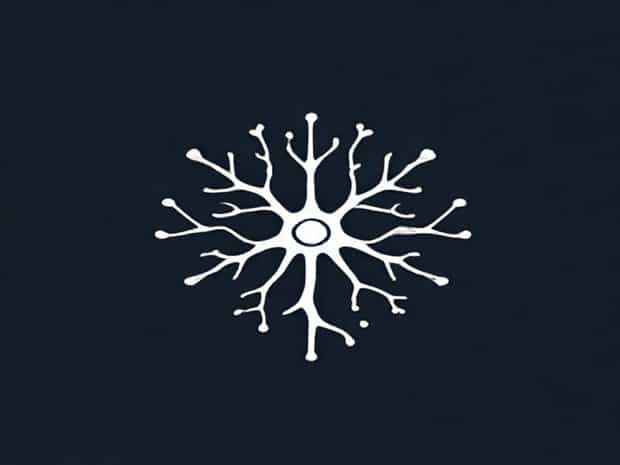
Key Parts Of A Neuron
The human nervous system is a highly complex network that relies on specialized cells called neurons to transmit information throughout the body. Understanding the key parts of a neuron is essential for appreciating how the brain and nervous system function. Each neuron is structured to receive, process, and transmit electrical and chemical signals, making it a fundamental unit of communication in the nervous system. Neurons come in various shapes and sizes, but they all share core components that enable them to perform their critical roles. By examining these components, including the cell body, dendrites, axon, and synaptic terminals, we can gain insight into how signals travel within the nervous system and how neurons interact with other cells to regulate behavior, movement, and cognition.
Cell Body (Soma)
The cell body, also known as the soma, is the central part of a neuron and contains the nucleus. The nucleus houses the cell’s genetic material and regulates protein synthesis, which is essential for maintaining the neuron’s structure and function. Surrounding the nucleus are organelles such as mitochondria, which provide energy, and ribosomes, which are involved in protein production. The soma integrates incoming signals from the dendrites and determines whether an electrical impulse, or action potential, should be generated and transmitted along the axon.
Functions of the Soma
- Maintains the health and metabolism of the neuron.
- Processes signals received from dendrites.
- Synthesizes proteins necessary for neurotransmitter production and cellular repair.
Dendrites
Dendrites are branching extensions that emerge from the cell body. They serve as the primary receiving structures of a neuron, collecting information from other neurons through synaptic connections. Dendrites contain receptors that detect chemical signals, or neurotransmitters, released by neighboring neurons. The structure of dendrites, including the presence of small protrusions called dendritic spines, increases the surface area available for connections, allowing neurons to receive input from multiple sources simultaneously.
Key Features of Dendrites
- Highly branched to maximize contact with other neurons.
- Contain specialized receptor proteins to detect neurotransmitters.
- Transmit incoming signals toward the cell body for processing.
Axon
The axon is a long, slender projection that extends from the cell body and carries electrical impulses away from the neuron toward other neurons, muscles, or glands. Axons can vary greatly in length, with some extending over a meter in the human body, such as those reaching from the spinal cord to the toes. Many axons are covered by a myelin sheath, a fatty layer that insulates the axon and increases the speed of signal transmission. Nodes of Ranvier, small gaps in the myelin sheath, facilitate rapid signal conduction through a process called saltatory conduction.
Functions of the Axon
- Transmits action potentials from the soma to target cells.
- Facilitates rapid communication across long distances in the nervous system.
- Supports the release of neurotransmitters at the axon terminals.
Axon Terminals (Synaptic Boutons)
At the end of an axon are the axon terminals, also called synaptic boutons. These structures are responsible for transmitting signals to other neurons, muscles, or glands. Axon terminals contain synaptic vesicles filled with neurotransmitters, which are released into the synaptic cleft, the small gap between neurons, in response to an action potential. This chemical transmission allows neurons to communicate with each other and with other types of cells, facilitating complex processes such as learning, memory, and movement control.
Key Roles of Axon Terminals
- Store and release neurotransmitters to relay signals.
- Form synapses with dendrites or cell bodies of target neurons.
- Enable precise control of communication within neural networks.
Myelin Sheath
The myelin sheath is a protective covering that surrounds many axons. It is composed of specialized glial cells, such as Schwann cells in the peripheral nervous system and oligodendrocytes in the central nervous system. The myelin sheath acts as an insulator, preventing electrical signal loss and allowing for faster transmission along the axon. Damage to the myelin sheath, as seen in conditions like multiple sclerosis, can disrupt signal conduction and lead to neurological symptoms.
Importance of Myelin
- Speeds up the transmission of electrical impulses.
- Reduces energy expenditure required for signal propagation.
- Maintains the integrity and reliability of neural communication.
Synapse
The synapse is the junction between the axon terminal of one neuron and the dendrite or cell body of another. Synapses can be chemical or electrical, with chemical synapses being the most common in the human nervous system. At a chemical synapse, neurotransmitters released from the axon terminal diffuse across the synaptic cleft and bind to receptors on the postsynaptic cell, triggering a response. This process allows neurons to integrate multiple signals and coordinate complex patterns of activity throughout the nervous system.
Functions of Synapses
- Enable communication between neurons and other cells.
- Allow modulation of signals through excitatory or inhibitory neurotransmitters.
- Support plasticity, which underlies learning and memory.
Supporting Structures Glial Cells
While not technically part of a neuron, glial cells play an essential role in maintaining neuronal health and function. These cells provide structural support, supply nutrients, remove waste, and maintain homeostasis in the nervous system. Some glial cells, such as oligodendrocytes and Schwann cells, are responsible for myelinating axons, while others, like astrocytes and microglia, contribute to synaptic regulation, immune defense, and repair mechanisms. The interaction between neurons and glial cells is vital for proper nervous system function.
Functions of Glial Cells
- Provide physical and metabolic support to neurons.
- Enhance signal transmission through myelination.
- Regulate the chemical environment around neurons and synapses.
Neurons are highly specialized cells designed for efficient communication within the nervous system. Key parts of a neuron, including the cell body, dendrites, axon, axon terminals, myelin sheath, and synapses, each play distinct roles in transmitting and processing information. The cell body integrates signals, dendrites collect inputs, the axon transmits action potentials, and axon terminals communicate with target cells. Supporting structures such as the myelin sheath and glial cells enhance speed and efficiency while maintaining overall neural health. Understanding the key parts of a neuron is fundamental to studying neuroscience, as these components collectively enable the complex signaling networks that underlie movement, cognition, and behavior.