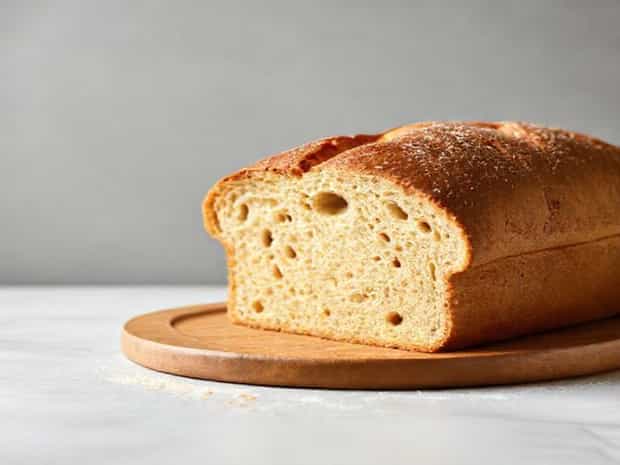
Jewish Rye Bread Recipe
Jewish rye bread is a classic staple in many kitchens, known for its rich flavor, dense texture, and slightly tangy taste. This bread is more than just a side; it represents a culinary tradition that has been passed down through generations. Baking Jewish rye bread at home allows you to control the ingredients, experiment with flavors, and enjoy the satisfying aroma of freshly baked bread filling your kitchen. Unlike ordinary rye bread, Jewish rye often includes a combination of rye and wheat flours, caraway seeds, and a touch of sweetness, which makes it uniquely soft yet hearty. Following a good Jewish rye bread recipe ensures that the final loaf has the characteristic texture and taste that lovers of this bread expect.
Ingredients for Jewish Rye Bread
The quality of ingredients plays a crucial role in the outcome of Jewish rye bread. Each component contributes to the texture, flavor, and aroma of the bread. Here is a typical list of ingredients used in a traditional Jewish rye bread recipe
- Rye flourForms the base of the bread, providing a dense and flavorful crumb.
- All-purpose or bread flourAdds structure and elasticity, making the bread easier to slice.
- Active dry yeastEssential for leavening, creating a soft and airy texture.
- Warm water or milkActivates the yeast and contributes to the moisture in the dough.
- Sugar or honeyAdds a subtle sweetness that balances the tanginess of the rye.
- SaltEnhances the flavor and strengthens the dough.
- Butter or oilProvides richness and helps maintain softness.
- Caraway seedsA signature ingredient that adds a distinct flavor typical of Jewish rye bread.
Optional Ingredients
- MolassesAdds color and a deeper, more complex flavor.
- Egg washFor a shiny, golden crust.
- Additional seedsSuch as sunflower or sesame seeds, for extra texture.
Step-by-Step Instructions
1. Preparing the Yeast
Start by activating the yeast in warm water or milk. Combine the liquid with sugar or honey and let it sit for 5-10 minutes until it becomes foamy. This indicates that the yeast is active and ready to leaven the dough. Using warm, not hot, liquid is crucial, as excessive heat can kill the yeast.
2. Mixing the Dough
In a large bowl, combine the rye flour and all-purpose flour. Gradually add the yeast mixture, salt, butter or oil, and any optional ingredients like molasses. Mix until the dough begins to come together. The dough will be slightly sticky due to the rye flour, which has less gluten than wheat flour. Knead the dough for about 8-10 minutes to develop elasticity and smoothness.
3. First Rise
Place the kneaded dough in a lightly greased bowl, cover it with a clean cloth or plastic wrap, and let it rise in a warm, draft-free area for 1-2 hours, or until it doubles in size. This fermentation stage develops flavor and ensures a lighter texture despite the dense rye flour.
4. Shaping the Loaf
After the first rise, punch down the dough to release excess air. Shape it into a traditional loaf, such as a rectangle for pan baking or an oval for freeform baking. Sprinkle caraway seeds on top or fold them into the dough for consistent flavor. Place the shaped dough on a greased baking sheet or in a loaf pan.
5. Second Rise
Allow the shaped loaf to rise again for about 45-60 minutes. This second rise is essential for the final volume and ensures the crumb is soft and even. Preheat the oven to 375°F (190°C) during this time.
6. Baking
Bake the loaf in the preheated oven for 35-45 minutes. If using an egg wash, brush it over the loaf before baking for a shiny crust. The bread is done when it sounds hollow when tapped on the bottom and has a deep golden-brown color. Let the bread cool on a wire rack to prevent sogginess in the crust.
Tips for Perfect Jewish Rye Bread
- Flour RatioAdjust the rye-to-wheat flour ratio to control density; more rye creates a darker, denser loaf.
- Water TemperatureKeep the liquid warm, around 105-115°F (40-46°C), for optimal yeast activity.
- KneadingRye flour contains less gluten, so knead thoroughly but gently to avoid overly tough bread.
- FermentationLonger fermentation develops flavor. Consider a slow, overnight rise in the refrigerator for a more complex taste.
- Caraway SeedsToasting seeds lightly before adding them can enhance their aroma and flavor.
- SlicingUse a serrated knife for clean slices without crushing the loaf.
Serving Suggestions
Jewish rye bread is versatile and pairs well with a variety of dishes. It is traditionally used for sandwiches, such as corned beef, pastrami, or smoked salmon with cream cheese. It also works wonderfully with soups, stews, and as a side to hearty breakfasts. Toasting the bread brings out its nutty flavors and creates a perfect surface for spreads like butter, jam, or mustard. Its robust texture makes it ideal for holding flavorful ingredients without becoming soggy.
Popular Uses
- Pastrami or corned beef sandwiches
- Open-faced sandwiches with smoked fish and cream cheese
- Accompaniment to soups and stews
- Breakfast toast with butter, jam, or avocado
- Grilled sandwiches with melted cheese and vegetables
Storing Jewish Rye Bread
Proper storage is key to maintaining the bread’s freshness and flavor. Keep it in a paper bag at room temperature for up to 3 days. For longer storage, slice the bread and freeze it in airtight bags. Thaw slices as needed for toast or sandwiches. Avoid storing in plastic at room temperature, as this can trap moisture and lead to a soggy crust. Jewish rye bread can also be refrigerated, but this may slightly dry it out, so warming slices before serving is recommended.
Baking Jewish rye bread at home is a rewarding experience that combines tradition, flavor, and practicality. A well-made loaf has a perfect balance of dense yet soft texture, tangy undertones, and a slightly sweet finish from sugar or honey. Following a detailed recipe ensures the bread turns out consistent, aromatic, and flavorful. By understanding the importance of ingredients, kneading, rising, and baking techniques, home bakers can recreate the classic taste of Jewish rye bread in their own kitchens. Whether enjoyed as a sandwich base, toast, or accompaniment to meals, Jewish rye bread remains a cherished staple that celebrates both culinary heritage and everyday enjoyment.