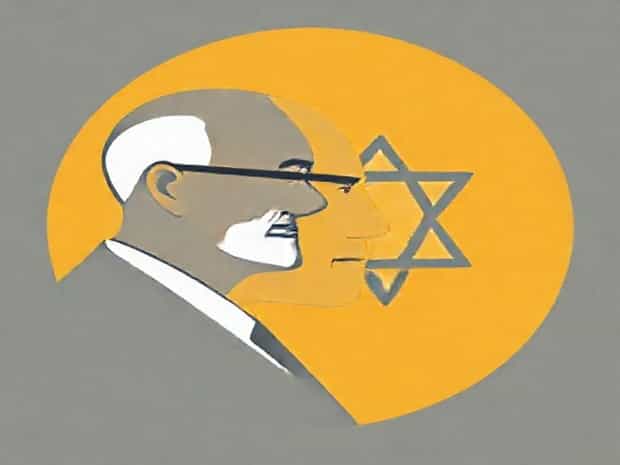
Israeli Nobel Peace Laureates
Israel, a country known for its complex history and ongoing conflicts, has been home to several remarkable individuals who have earned international recognition for their efforts in promoting peace. Among these, a select group of Israeli Nobel Peace Laureates have made significant contributions to diplomacy, conflict resolution, and human rights advocacy. Their work not only impacted the region but also set examples for the global community. Understanding their achievements offers insight into the delicate balance of peace-building efforts in the Middle East and highlights the courage and dedication required to pursue reconciliation amidst longstanding disputes.
Introduction to Israeli Nobel Peace Laureates
The Nobel Peace Prize, established by Alfred Nobel in 1895, recognizes individuals and organizations that have made substantial contributions to peace efforts worldwide. Israel, despite its relatively small size and turbulent history, has produced a number of laureates who have received this prestigious honor. These laureates are celebrated for their commitment to dialogue, negotiation, and initiatives that aim to reduce conflict in one of the world’s most sensitive regions. Their stories reflect a combination of diplomacy, courage, and unwavering commitment to justice.
Menachem Begin
Menachem Begin, Israel’s sixth prime minister, received the Nobel Peace Prize in 1978 alongside Egyptian President Anwar Sadat. This award recognized their groundbreaking efforts to achieve peace following decades of hostilities between Israel and Egypt. The peace negotiations, known as the Camp David Accords, marked the first formal agreement between Israel and an Arab nation, ending years of military conflict. Begin’s role in negotiating compromises, particularly regarding the Sinai Peninsula, demonstrated political courage and a willingness to pursue peace even in the face of domestic opposition.
Shimon Peres
Shimon Peres, a veteran Israeli statesman and diplomat, was awarded the Nobel Peace Prize in 1994 along with Yitzhak Rabin and Yasser Arafat. This recognition came after the Oslo Accords, a series of agreements between Israel and the Palestine Liberation Organization (PLO) aimed at establishing a framework for peaceful coexistence. Peres’ dedication to diplomacy and negotiation played a key role in advancing the peace process, emphasizing the importance of dialogue and international cooperation in addressing deep-rooted conflicts. His legacy is remembered as one of hope and persistent pursuit of reconciliation.
Yitzhak Rabin
Yitzhak Rabin, Israel’s prime minister, shared the 1994 Nobel Peace Prize with Shimon Peres and Yasser Arafat. Rabin’s leadership during the Oslo Accords highlighted his commitment to peace despite facing intense political challenges at home. His willingness to engage with the Palestinian leadership demonstrated a significant shift from decades of hostilities to a path of negotiation. Rabin’s assassination in 1995 underscored the risks involved in peace-making efforts in Israel and highlighted the fragile nature of progress in the region.
Contributions to Peace and Diplomacy
The achievements of Israeli Nobel Peace Laureates extend beyond the awards themselves. Their work often involved complex negotiations, trust-building, and addressing deeply rooted historical grievances. Each laureate approached peace from different angles whether through formal treaties, direct negotiations, or diplomatic advocacy yet all shared the goal of reducing conflict and fostering coexistence. Their contributions demonstrate that sustainable peace requires patience, strategic thinking, and often personal sacrifice.
Key Milestones in Peace Efforts
- The Camp David Accords (1978) led by Menachem Begin and Anwar Sadat.
- The Oslo Accords (1993-1994), facilitated by Shimon Peres and Yitzhak Rabin, aimed at resolving Israeli-Palestinian tensions.
- Long-term advocacy for dialogue between Israel and neighboring Arab nations.
- Promotion of human rights and democratic principles as a foundation for peace.
Challenges Faced by Israeli Nobel Laureates
Despite their international recognition, Israeli Nobel Peace Laureates faced significant challenges. Domestic political opposition, societal divisions, and regional tensions often complicated peace initiatives. For example, both Menachem Begin and Yitzhak Rabin encountered strong resistance from factions within Israel that opposed territorial concessions or negotiations with adversaries. Similarly, Shimon Peres had to navigate a complex political landscape to maintain momentum for peace agreements. These challenges highlight the courage required to pursue peace in an environment marked by distrust and historical conflict.
Impact on Israeli Society
The efforts of these Nobel laureates have left a lasting impact on Israeli society. By advocating for dialogue and compromise, they inspired a generation of leaders and citizens to consider alternatives to conflict. Educational programs, public discussions, and cultural initiatives often reference the principles promoted by these laureates, emphasizing negotiation, empathy, and the pursuit of shared goals. While peace remains an ongoing challenge in the region, their contributions provide a foundation for future efforts and encourage a culture of proactive diplomacy.
Global Recognition and Influence
Receiving the Nobel Peace Prize not only honored the individual laureates but also brought international attention to the broader Israeli-Palestinian and Middle Eastern peace processes. Their recognition underscored the importance of dialogue, compromise, and international support in achieving peace. Moreover, it highlighted Israel’s role in global peace initiatives, encouraging other nations and organizations to support similar diplomatic efforts. The Nobel Peace Prize serves as both an acknowledgment of past achievements and a catalyst for continued international engagement in the pursuit of stability and harmony.
Lessons from Israeli Nobel Peace Laureates
- Peace requires courage and often involves personal and political risk.
- Dialogue and negotiation are essential, even when progress is slow or controversial.
- International recognition can amplify the impact of local peace efforts.
- Collaboration with diverse stakeholders strengthens the prospects for sustainable solutions.
- Persistence in the face of setbacks is critical for meaningful diplomatic progress.
Israeli Nobel Peace Laureates exemplify the pursuit of peace in one of the most complex and challenging regions in the world. From Menachem Begin’s historic negotiations with Egypt to Shimon Peres and Yitzhak Rabin’s pioneering efforts in the Oslo Accords, these leaders demonstrated that diplomacy, courage, and commitment are essential components of conflict resolution. Their achievements continue to inspire both Israeli society and the international community, serving as a reminder that even in the face of adversity, efforts toward peace can yield meaningful and lasting change. By studying their work and legacy, we gain valuable insights into the delicate art of negotiation and the enduring hope for a peaceful future in the Middle East.