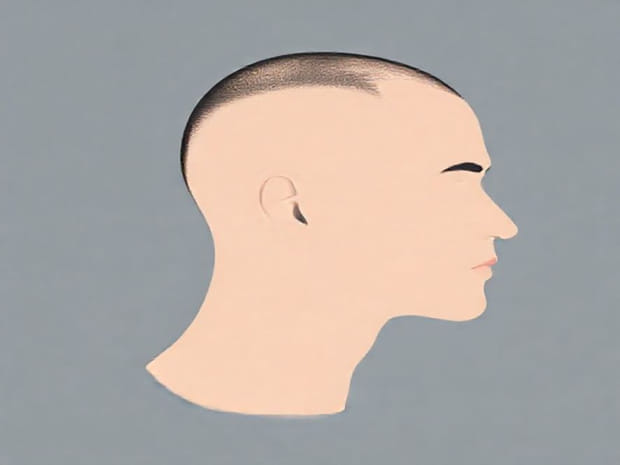
Is Androgenic Alopecia Permanent
Androgenic alopecia is a type of hair loss that affects millions of men and women worldwide. Often referred to as male or female pattern baldness, this condition involves gradual thinning of the hair on the scalp, usually following a specific pattern. For many people, noticing hair loss can be alarming, leading to concerns about whether it is permanent, how it progresses, and what options exist for treatment. Understanding androgenic alopecia, its causes, and its long-term effects is essential for anyone experiencing this condition or seeking to prevent further hair loss.
What Is Androgenic Alopecia?
Androgenic alopecia is a hereditary form of hair loss linked to genetics and hormones. It typically involves the gradual shrinking of hair follicles, which leads to shorter, finer hair until growth eventually stops. In men, this often begins with a receding hairline and thinning at the crown, while in women, it usually presents as diffuse thinning across the top of the scalp. Androgenic alopecia is associated with the hormone dihydrotestosterone (DHT), which affects hair follicle health and growth cycles.
Causes of Androgenic Alopecia
- GeneticsFamily history plays a major role in androgenic alopecia. If close relatives have experienced hair loss, the likelihood increases.
- Hormonal FactorsDHT, a derivative of testosterone, can bind to hair follicles and gradually shrink them, reducing their ability to produce healthy hair.
- AgeHair naturally thins as people age, and androgenic alopecia often progresses more noticeably over time.
- Other Contributing FactorsStress, poor nutrition, and certain medical conditions can exacerbate hair thinning, though they are not primary causes of androgenic alopecia.
Progression of Androgenic Alopecia
Androgenic alopecia progresses differently for each person, but it usually follows predictable patterns. In men, hairline recession and crown thinning may begin in the late teens or early twenties. In women, hair loss is often less dramatic, presenting as overall thinning rather than complete bald patches. Without intervention, androgenic alopecia is typically progressive, meaning hair loss tends to worsen over time. The rate of progression can vary depending on genetics, age, and hormone levels.
Signs and Symptoms
- Gradual thinning on the top of the scalp
- Receding hairline in men
- Diffuse hair thinning in women
- Miniaturization of hair strands, making them finer and shorter
- Visible scalp through hair in advanced stages
Is Androgenic Alopecia Permanent?
Androgenic alopecia is generally considered permanent because it involves genetic and hormonal factors that lead to irreversible follicle miniaturization. Once a hair follicle has been significantly affected by DHT and shrinks to the point that it no longer produces viable hair, regrowth without intervention is unlikely. However, the progression can be slowed, and in some cases, partial regrowth may be achieved using medical treatments or surgical procedures. The key is early detection and consistent management to preserve existing hair and improve follicle health.
Treatment Options
While androgenic alopecia cannot be fully reversed naturally, several treatments aim to slow hair loss and promote regrowth
- MedicationsFinasteride and minoxidil are commonly used. Finasteride reduces DHT levels, protecting follicles, while minoxidil stimulates hair growth and improves follicle size.
- Hair Transplant SurgeryFollicular unit transplantation moves healthy follicles from one area of the scalp to thinning areas. This provides a more permanent solution for localized bald spots.
- Low-Level Laser TherapySome studies suggest that laser therapy may improve blood flow to hair follicles, promoting growth and slowing miniaturization.
- Lifestyle and Nutritional SupportProper nutrition, stress management, and avoiding harsh hair treatments can help maintain hair health and reduce further damage.
Prevention and Management
Although genetic predisposition cannot be changed, proactive measures may help manage androgenic alopecia. Early intervention is crucial because once hair follicles are fully miniaturized, regrowth is very limited. Regular scalp care, early use of medical treatments, and consultation with dermatologists or hair specialists can improve outcomes. Maintaining a healthy lifestyle, including a balanced diet rich in vitamins and minerals, can also support hair follicle health.
Psychological and Emotional Impact
Hair loss can affect self-esteem, confidence, and mental health. Men and women experiencing androgenic alopecia may feel anxious or socially self-conscious. Counseling, support groups, and open discussions about treatment options can help alleviate emotional stress and provide practical strategies to cope with hair loss.
Long-Term Outlook
The long-term outlook for individuals with androgenic alopecia depends on early recognition, consistent treatment, and individual factors such as genetics and overall health. While the condition is permanent in the sense that hair loss cannot fully be reversed without intervention, treatments can significantly slow progression, maintain existing hair, and sometimes stimulate partial regrowth. Understanding that androgenic alopecia is a natural, common condition can also help individuals manage expectations and focus on realistic, effective strategies for hair care and treatment.
Androgenic alopecia is a permanent form of hair loss rooted in genetics and hormonal influence. Although it cannot be fully reversed naturally, medical treatments, surgical options, and lifestyle adjustments offer ways to manage the condition effectively. Early intervention is key, as it can preserve existing hair and improve the chances of regrowth in affected areas. Recognizing the emotional impact and seeking appropriate support is also essential for individuals coping with hair loss. Ultimately, understanding androgenic alopecia allows people to take informed steps toward maintaining hair health and improving quality of life while navigating a condition that is both common and manageable.