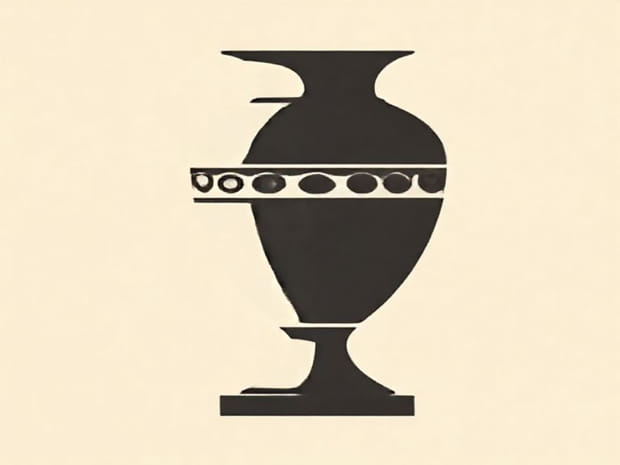
Is An Amphora An Urn
Objects from ancient civilizations often spark curiosity due to their unique shapes, uses, and historical significance. Among these, amphoras and urns are two types of containers that are frequently discussed in art history, archaeology, and museum studies. While they may appear similar at first glance, amphoras and urns have distinct purposes, designs, and cultural contexts. Understanding whether an amphora is an urn requires exploring their definitions, historical uses, and the subtle differences that set them apart. This knowledge not only enhances appreciation of ancient artifacts but also clarifies terminology commonly used in historical and archaeological discussions.
What is an Amphora?
An amphora is a type of container used in ancient Greece, Rome, and other Mediterranean civilizations for storing and transporting liquids such as wine, oil, and water, as well as dry goods like grain. The word amphora” comes from the Greek amphoreus, meaning to carry on both sides, which refers to the two handles on either side of the vessel. Amphoras typically have a narrow neck, a pointed or rounded base, and two vertical handles that make them easy to lift and pour. They were often made of clay, although metal versions existed for wealthier owners.
Design and Characteristics
- ShapeNarrow neck, wide body, and pointed or rounded base to fit in sand, racks, or ships.
- HandlesTwo vertical handles that make the amphora easy to carry.
- MaterialUsually clay, sometimes metal, often decorated with paintings or inscriptions.
- FunctionMainly used for storage, transport, and trade of liquids and dry goods.
Historical Significance
Amphoras were essential in trade and daily life in the Mediterranean world. They were used not only for practical purposes but also as decorative and ceremonial objects. Some amphoras were elaborately painted with scenes of mythology, athletic contests, or daily life, making them valuable sources of information for historians and archaeologists. Their shape and inscriptions also helped traders identify the contents, origin, and producer of the goods inside.
What is an Urn?
An urn is a container used primarily to hold human ashes after cremation or, in some cultures, to store valuable substances like wine or oil. Unlike amphoras, urns are most commonly associated with funerary practices and rituals. Urns have a long history in many civilizations, including ancient Greece, Rome, China, and indigenous cultures around the world. They vary in size, shape, and decoration depending on cultural context and intended use. Urns can be made from clay, metal, stone, or porcelain and often have a lid to protect the contents.
Design and Characteristics
- ShapeUsually rounded or vase-like, with a wider opening and often a lid.
- MaterialClay, porcelain, metal, stone, or other durable substances.
- FunctionPrimarily to hold ashes or cremated remains, sometimes used for ceremonial storage.
- DecorationOften ornate, with inscriptions, engravings, or symbolic designs reflecting cultural beliefs.
Historical and Cultural Significance
Urns have played an important role in rituals related to death, commemoration, and remembrance. In ancient Rome, cremation became increasingly common, and urns were used to store the remains of deceased family members. Many cultures also used urns as part of burial ceremonies, placing them in tombs, mausoleums, or family shrines. Beyond funerary purposes, urns were sometimes used in temples or public spaces to hold sacred substances, demonstrating their ceremonial importance.
Comparing Amphoras and Urns
While amphoras and urns share certain similarities, such as being containers made from durable materials and often decorated, their primary purposes and designs differ significantly. Understanding these differences helps clarify whether an amphora can be considered an urn.
Primary Function
Amphoras were designed for storage and transport of everyday goods such as wine, oil, and grains, making them practical and commercial objects. Urns, in contrast, are primarily funerary or ceremonial, intended to hold ashes or valuable substances. This fundamental difference in purpose distinguishes the two types of containers.
Design Differences
- Amphoras usually have narrow necks and pointed bases suitable for storage and shipping, while urns often have rounded bases or flat bottoms for stable placement.
- Amphoras feature two handles for carrying, whereas urns may have handles but are often designed with lids to protect their contents.
- Decoration on amphoras often depicts daily life or mythology, while urn decoration tends to focus on commemorative, symbolic, or religious themes.
Material and Durability
Both amphoras and urns are made from clay or ceramics, but urns are often designed to last longer as they are associated with remembrance and ceremonial use. Some urns are made from metal, stone, or porcelain to enhance durability, whereas amphoras are mostly clay for practicality in transport and trade.
Can an Amphora be an Urn?
Technically, an amphora could be used as an urn if its function is shifted from storage to funerary purposes. For example, some ancient cultures occasionally used amphora-shaped vessels to hold ashes after cremation. However, this is not their primary or traditional use. In archaeological and historical contexts, an amphora is considered distinct from an urn due to its original design, purpose, and symbolic meaning. Therefore, while there may be overlap in certain scenarios, calling an amphora an urn is generally inaccurate without clarification.
Contextual Overlap
In some cases, the terms may be loosely applied based on form or function. For instance, museum displays or collectors may refer to amphora-shaped containers holding ashes as urns for practical identification. Yet, scholars typically maintain the distinction to preserve historical accuracy and cultural context.
an amphora and an urn are two distinct types of containers with separate historical and functional contexts. Amphoras were primarily used for storing and transporting liquids and dry goods, featuring narrow necks, pointed bases, and two handles for easy handling. Urns, on the other hand, are ceremonial containers designed to hold ashes or valuable substances, often with lids and symbolic decorations. While an amphora could occasionally be used as an urn, it is not traditionally considered one. Understanding these differences enriches knowledge of ancient civilizations, art history, and archaeology, helping enthusiasts and scholars accurately describe and appreciate these fascinating artifacts.