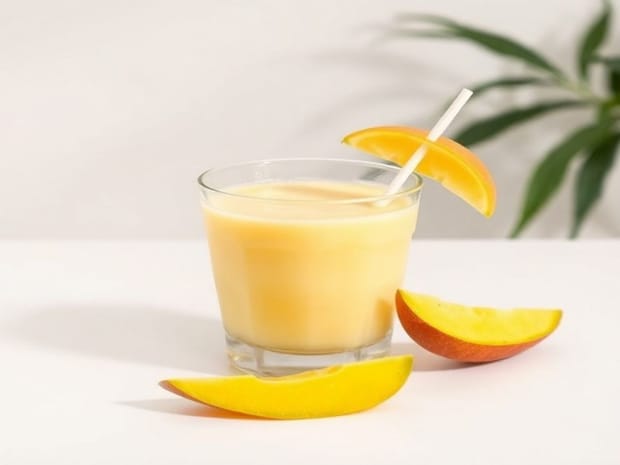
Ingredients For Mango Sago
Mango sago is a beloved dessert that combines the tropical sweetness of mangoes with the chewy texture of sago pearls, creating a refreshing and satisfying treat. It is popular in many Asian cuisines, especially in Chinese and Southeast Asian desserts. Known for its vibrant color, creamy consistency, and delightful flavor, mango sago is often served chilled, making it perfect for hot summer days or as a light, sweet ending to a meal. Understanding the ingredients for mango sago is key to recreating this delicious dessert at home, as each component contributes to the balance of sweetness, texture, and flavor that defines the dish.
Core Ingredients for Mango Sago
The traditional mango sago recipe requires a few core ingredients that are essential to achieving the perfect balance of taste and texture. These ingredients include mangoes, sago pearls, milk or cream, and sugar. Each element plays a unique role in the dessert, from providing natural sweetness to adding a smooth and creamy consistency.
Mangoes
Mangoes are the star of this dessert, providing vibrant color and natural sweetness. Choosing ripe, juicy mangoes is critical for achieving the authentic flavor of mango sago. Varieties such as Ataulfo, Alphonso, or Kent mangoes are highly recommended due to their rich sweetness and smooth texture. Mangoes are typically diced or pureed, depending on the desired consistency of the dessert.
Sago Pearls
Sago pearls are small, translucent starch pearls that provide a chewy texture to the dessert. They are made from the starch extracted from tropical palm stems and must be cooked properly to achieve the right consistency. Overcooked sago becomes mushy, while undercooked sago remains hard in the center. Properly prepared sago pearls add a satisfying contrast to the creamy mango mixture.
Milk or Cream
Milk or cream is used to create the dessert’s smooth and creamy texture. Coconut milk, evaporated milk, or regular whole milk can be used depending on the preferred flavor profile. Coconut milk adds a subtle tropical note that complements the mangoes perfectly. The choice of milk or cream also affects the richness of the dessert, so it can be adjusted to taste.
Sugar
Sugar is added to enhance the natural sweetness of mangoes and balance the flavors of the dessert. Depending on the ripeness of the mangoes, sugar can be adjusted to achieve the desired level of sweetness. Simple syrup or granulated sugar can be dissolved in milk or cream to ensure even sweetness throughout the dessert.
Optional Ingredients
In addition to the core ingredients, several optional ingredients can be used to enhance flavor, texture, and visual appeal. These ingredients are not necessary for the basic recipe but can add depth and complexity to the dessert.
Pomelo or Grapefruit Segments
Adding pomelo or grapefruit segments introduces a slight tangy flavor that contrasts beautifully with the sweetness of mangoes. The citrusy note also adds freshness and a slight crunch to the dessert, making it more dynamic.
Condensed Milk
Some recipes incorporate condensed milk for extra creaminess and sweetness. This is particularly popular in Hong Kong-style mango sago, where the dessert is rich and luscious. Condensed milk can be added gradually to avoid overpowering the natural flavor of mangoes.
Gelatin or Agar-Agar
For a firmer dessert, some variations include gelatin or agar-agar. This helps the mango sago set into a pudding-like texture, making it easier to serve in individual cups or molds. Agar-agar is plant-based and suitable for vegetarian or vegan diets.
Ice or Cold Water
Ice or cold water is used to chill the dessert quickly after cooking the sago pearls. This stops the cooking process and helps maintain the chewy texture of the sago. Serving mango sago chilled enhances its refreshing quality, making it ideal for warm climates.
Preparation Tips for Mango Sago
Knowing the right techniques for handling each ingredient ensures that the mango sago turns out perfect every time. Here are some tips to achieve the best flavor and texture
Cooking Sago Pearls
- Boil water in a pot and add sago pearls gradually.
- Stir continuously to prevent sticking.
- Cook until the pearls turn translucent, usually 10-15 minutes.
- Rinse with cold water to remove excess starch and stop the cooking process.
Preparing Mangoes
- Choose ripe, fragrant mangoes for maximum sweetness.
- Peel and dice mangoes into small cubes or puree them for a smoother texture.
- Reserve a few pieces for garnish if desired.
Combining Ingredients
- Mix the cooked sago pearls with milk or cream.
- Add sugar gradually and taste to achieve the desired sweetness.
- Fold in diced mangoes or mango puree gently to maintain texture.
- Chill in the refrigerator before serving for a refreshing dessert.
Serving Suggestions
Mango sago can be served in individual bowls, glasses, or dessert cups. Garnishing with fresh mango cubes, mint leaves, or a drizzle of condensed milk enhances visual appeal and flavor. Some variations also include a sprinkle of toasted coconut or chia seeds for added texture and nutrition. The dessert is best enjoyed chilled, making it a perfect option for hot weather, festive gatherings, or as a sweet treat after meals.
Health and Nutritional Considerations
Mango sago is a sweet dessert that contains natural sugars from mangoes and added sugars from milk or syrup. While it provides vitamins, particularly vitamin C from mangoes, it is best consumed in moderation. Using low-fat milk, reducing added sugar, or incorporating fruit juice as a sweetener can make the dessert a healthier option. Additionally, using agar-agar instead of gelatin provides a plant-based alternative that maintains texture while being suitable for vegetarians.
The ingredients for mango sago are simple yet versatile, allowing for creative variations that suit different tastes and dietary preferences. Core ingredients such as mangoes, sago pearls, milk, and sugar form the foundation of this delicious dessert, while optional elements like pomelo, condensed milk, or gelatin enhance flavor, texture, and presentation. Understanding how each ingredient contributes to the overall dessert ensures a perfect balance of sweetness, creaminess, and chewiness. Mango sago is a delightful treat that combines tropical flavors and refreshing textures, making it a favorite dessert for many households. With proper preparation and attention to ingredient quality, anyone can recreate this vibrant, satisfying dessert at home.