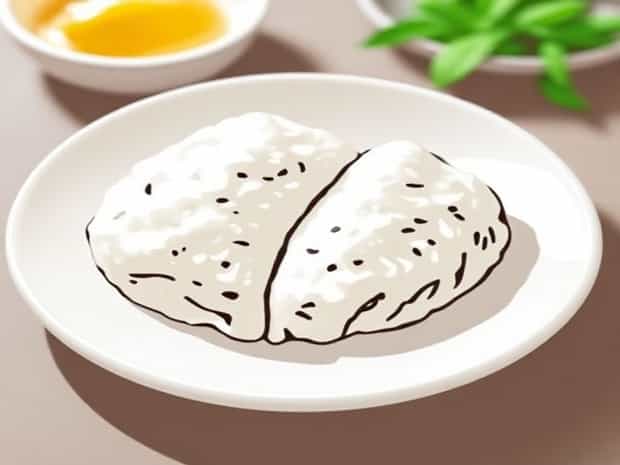
How To Make Trinidadian Doubles
Trinidadian doubles are a beloved street food in Trinidad and Tobago, known for their bold flavors, soft flatbreads, and spicy curried chickpeas. They are a staple breakfast and snack item, enjoyed across the Caribbean and in diaspora communities worldwide. Making authentic Trinidadian doubles at home may seem challenging, but with the right ingredients, preparation, and technique, anyone can recreate this flavorful dish. Understanding the key components, from the bara (flatbread) to the channa (curried chickpeas) and chutneys, ensures that your doubles capture the vibrant taste and texture of the original street food.
Ingredients for Trinidadian Doubles
Trinidadian doubles consist of three main components the bara, the channa, and the condiments. Each element contributes to the final flavor and authenticity of the dish.
Bara (Flatbread)
The bara is a soft, slightly fried flatbread that forms the base of the doubles. Essential ingredients include
- All-purpose flour
- Yeast
- Sugar
- Salt
- Baking powder
- Water
- Oil for frying
The dough should be soft but manageable, allowing it to puff slightly when fried without becoming greasy.
Channa (Curried Chickpeas)
Channa provides the main filling of doubles. To prepare authentic curried chickpeas, gather
- Cooked chickpeas or canned chickpeas, drained and rinsed
- Onion, finely chopped
- Garlic and ginger, minced
- Green seasoning or fresh herbs like cilantro
- Curry powder, turmeric, and ground cumin
- Hot peppers, optional for heat
- Vegetable oil or coconut oil
- Salt and black pepper
- Water or vegetable broth for simmering
The chickpeas should be tender and fully infused with spices, creating a flavorful, slightly saucy filling for the doubles.
Chutneys and Condiments
Authentic Trinidadian doubles are served with a variety of toppings and sauces to enhance flavor
- Green chutney made with cilantro, green peppers, garlic, and lime juice
- Sweet tamarind chutney or mango chutney
- Hot pepper sauce for added spice
The combination of savory chickpeas and tangy or spicy sauces creates the signature flavor profile of doubles.
Making the Bara
Preparing the bara is the first step in making doubles. Begin by activating the yeast with warm water and a pinch of sugar. In a mixing bowl, combine flour, salt, and baking powder, then gradually add the yeast mixture to form a soft dough. Knead the dough for 5-10 minutes until smooth and elastic. Cover and allow it to rise for 1-2 hours or until it doubles in size.
Frying the Bara
Once the dough has risen, divide it into small balls and roll them into flat discs. Heat oil in a frying pan or deep fryer to medium heat. Fry the discs until they puff slightly and are golden brown on both sides. Remove and drain excess oil on paper towels. Properly fried bara should be soft, slightly chewy, and not greasy.
Preparing the Channa
While the bara is rising or resting, you can prepare the curried chickpeas. Heat oil in a saucepan and sauté onions until translucent. Add garlic, ginger, and green seasoning or fresh herbs, cooking until fragrant. Stir in curry powder, turmeric, and cumin, allowing the spices to bloom in the oil. Add the chickpeas and a small amount of water or broth to create a slightly saucy consistency. Simmer until the chickpeas are tender and fully infused with spices. Season with salt, black pepper, and hot peppers if desired.
Tips for Flavorful Channa
- Use fresh curry powder or grind your own spices for more aromatic flavor.
- Cook the chickpeas slowly to allow the spices to penetrate fully.
- Adjust the consistency with water or broth; the filling should not be too dry or too watery.
Assembling the Doubles
To assemble Trinidadian doubles, place one piece of bara on a plate. Spoon a generous amount of curried chickpeas on top, spreading them evenly. Add green chutney, tamarind chutney, and hot pepper sauce according to taste. Top with a second piece of bara to create the sandwich-like structure. Doubles are best served immediately while the bara is warm and soft and the channa is hot and flavorful.
Serving Suggestions
- Serve doubles as a breakfast or snack with a hot cup of tea or coffee.
- Add fresh sliced vegetables like cucumber or tomato for added texture.
- For larger servings, consider plating doubles with a side of fried plantains or salad.
Storage and Reheating
While doubles are best enjoyed fresh, leftover components can be stored for later use. Keep the bara in an airtight container at room temperature for up to one day or freeze for longer storage. Store the channa in the refrigerator for 3-4 days in an airtight container. To reheat, warm the bara briefly in a pan or oven and gently reheat the channa on the stove. Assemble doubles just before serving to maintain texture and freshness.
Tips for Success
- Do not overcrowd the frying pan when cooking bara; this ensures even cooking and proper puffing.
- Balance the spice levels in the channa to suit personal taste preferences.
- Use freshly prepared chutneys for the best flavor and aroma.
Common Mistakes to Avoid
Making Trinidadian doubles at home can be tricky, but avoiding common errors ensures a successful outcome. Avoid over-kneading the dough, which can make the bara tough. Do not fry at excessively high temperatures, as the bara can burn before cooking through. Ensure the chickpeas are cooked and seasoned properly; undercooked or bland channa will affect the overall taste. Finally, assemble doubles just before serving to keep the bara soft and the channa flavorful.
Making Trinidadian doubles at home is a rewarding way to enjoy one of the Caribbean’s most iconic street foods. By preparing soft, fluffy bara, flavorful curried chickpeas, and fresh chutneys, you can create a dish that captures the authentic taste and texture of doubles. Attention to proper preparation, frying techniques, and seasoning ensures a delicious, aromatic, and satisfying meal. Whether enjoyed for breakfast, a snack, or a festive gathering, Trinidadian doubles offer a delightful combination of flavors that reflect the rich culinary heritage of Trinidad and Tobago.