How To Make Filigree Jewelry
Filigree jewelry is known for its delicate and intricate designs made from fine threads of metal, often twisted and soldered together to create beautiful patterns. This ancient jewelry-making technique has been used for centuries to craft elegant rings, pendants, earrings, and brooches. Learning how to make filigree jewelry can be both rewarding and challenging, as it requires patience, precision, and creativity. With the right tools and techniques, you can create stunning handmade pieces that showcase your craftsmanship and artistic vision.
Understanding Filigree Jewelry
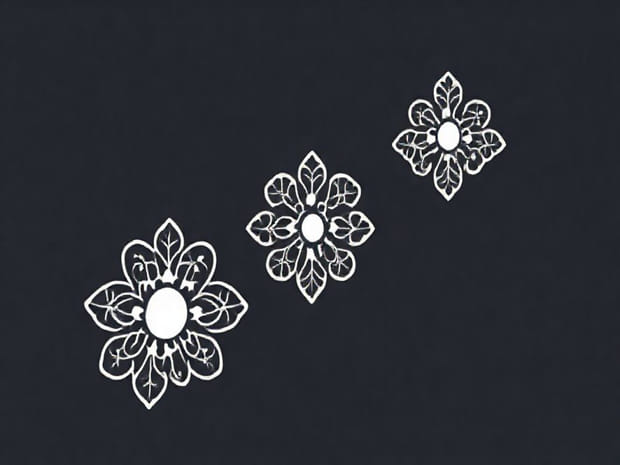
Filigree is a metalworking technique that involves twisting thin wires of precious metals like silver or gold to form delicate lace-like designs. These wires are carefully arranged into patterns such as spirals, scrolls, flowers, and geometric shapes, then soldered to a base frame or to each other. The resulting jewelry has an airy, ornamental appearance that makes it highly prized.
Filigree jewelry is often lightweight yet visually intricate. It combines both structural and decorative elements, allowing for endless design possibilities. Understanding the basics of filigree design will help you approach the craft with confidence and purpose.
Tools and Materials Needed
Before beginning a filigree jewelry project, it is essential to gather the proper tools and materials. Having the right equipment makes the process safer, faster, and more enjoyable.
Essential Tools
- Jeweler’s saw and blades
- Fine round-nose pliers and flat-nose pliers
- Wire cutters
- Needle files
- Soldering torch and solder
- Charcoal block or soldering brick
- Tweezers
- Magnifying glasses or jeweler’s loupe
Materials
- Fine silver or gold wire (28 to 32 gauge for filigree elements)
- Heavier wire (20 to 24 gauge) for the frame
- Metal sheet for backing if needed
- Flux and pickle solution for soldering
Choosing quality materials is important, as filigree work relies on the ductility and strength of the wire. Fine silver is commonly used because it is soft and easy to shape, making it ideal for beginners.
Preparing the Frame
Every filigree design starts with a frame that defines the shape of the jewelry piece. The frame provides stability and acts as a border to hold the delicate filigree wires in place.
Cut the heavier gauge wire to the desired length and bend it into the shape of your design using pliers. This could be a circle, teardrop, heart, or any custom shape you envision. Solder the ends of the wire together to close the shape. Once soldered, file the joints smooth and make sure the frame lies flat on the soldering block.
Creating the Filigree Elements
The most intricate part of the process is shaping the thin wires into decorative elements that will fill the frame. These elements are what give filigree jewelry its characteristic beauty.
Forming Coils and Scrolls
Cut fine wire into short lengths and use round-nose pliers to roll them into tight coils or open scroll shapes. Try combining different shapes and sizes to create visual interest. Keep the coils consistent and symmetrical for a balanced look.
Assembling the Design
Arrange the shaped wires inside the frame, fitting them closely together. You can mix spirals, S-curves, teardrops, and other shapes to build a complex pattern. Use tweezers to move the small pieces and adjust their placement. When you are satisfied with the layout, lightly secure them in place with small dabs of flux to prepare for soldering.
Soldering the Filigree
Soldering is the process of joining the filigree wires to the frame and to each other using heat and solder. This step requires steady hands and attention to detail.
Applying Solder
Place tiny pieces of solder at the points where the wires touch each other or the frame. Make sure to use just enough solder to create a bond without flooding the delicate shapes. Too much solder can ruin the open appearance of the filigree.
Heating the Piece
Using a small jeweler’s torch, gently heat the entire piece evenly until the solder flows. Avoid concentrating the flame on one spot for too long, as this can melt the fine wires. Allow the piece to cool before moving it, then place it in a pickle solution to remove oxidation and flux residue.
Cleaning and Finishing
After soldering, the filigree jewelry will need to be cleaned and finished to achieve a polished, professional appearance. Carefully rinse the piece after removing it from the pickle solution, then use a soft brush to remove any remaining debris.
File and sand any rough spots on the frame or solder joints. Use polishing cloths or a polishing motor to bring out the shine of the metal. If you want an antique or oxidized look, you can apply patina before polishing the raised surfaces to highlight the filigree details.
Design Ideas for Filigree Jewelry
Filigree jewelry offers endless creative possibilities. You can design simple, elegant pieces or complex, ornate works of art. Here are some ideas to inspire your designs
- Delicate filigree hoop earrings with symmetrical scroll patterns
- Heart-shaped filigree pendant with coiled wire flowers
- Filigree ring with an openwork band and gemstone accent
- Layered filigree brooch with multiple overlapping frames
- Minimalist filigree charms for bracelets or anklets
Experimenting with different wire thicknesses, shapes, and patterns can help you develop your own signature style in filigree work.
Tips for Successful Filigree Work
Because filigree jewelry requires precision and patience, practicing good techniques can make the process smoother and more enjoyable.
- Work under good lighting to clearly see the tiny wires.
- Use fine tweezers to handle small pieces without deforming them.
- Secure the frame to the soldering block with pins to prevent shifting during soldering.
- Keep the torch flame small and controlled for delicate work.
- Take breaks to rest your eyes and hands to avoid fatigue.
Common Mistakes to Avoid
Beginners often face challenges when first learning how to make filigree jewelry. Being aware of common mistakes can help you avoid frustration
- Using too much solder, which can obscure the fine wire details.
- Applying uneven heat, which can warp or melt the wires.
- Failing to clean the metal properly before soldering, causing weak joints.
- Skipping the planning stage and creating a disorganized layout.
- Over-tightening coils, making them difficult to position.
Making filigree jewelry is a time-honored craft that rewards patience, creativity, and attention to detail. By learning how to form delicate wire shapes, assemble intricate patterns, and solder with precision, you can create unique handmade pieces that showcase your artistic talent. With practice and care, your filigree jewelry will become treasured works of art that reflect both tradition and personal style.