How Is Ch Switzerland
Switzerland, officially known by its Latin abbreviation CH” from Confoederatio Helvetica, is a country renowned for its stunning landscapes, high standard of living, and strong economic and political stability. Located in the heart of Europe, Switzerland is characterized by its mountains, lakes, and well-preserved natural beauty, making it a unique destination for tourists, expatriates, and business travelers. Understanding how Switzerland functions in terms of geography, culture, economy, and social structure provides insight into why it consistently ranks among the top countries in global quality-of-life indexes. From its multilingual society to its decentralized political system, Switzerland’s organization and lifestyle contribute to its distinctive position in Europe and the world.
Geographical Overview
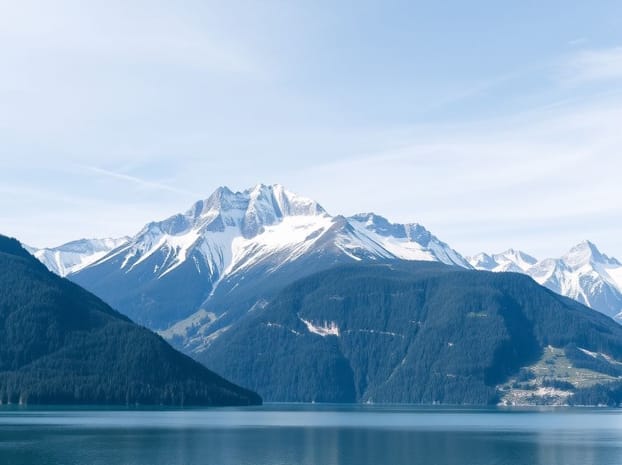
Switzerland is a landlocked country bordered by Germany, France, Italy, Austria, and Liechtenstein. Its total area is approximately 41,285 square kilometers (15,940 square miles), making it relatively small in size but extremely diverse in landscape. The Swiss Alps dominate the southern and eastern parts of the country, providing dramatic peaks, glaciers, and alpine meadows. In contrast, the northern and western regions, including the Swiss Plateau, consist of rolling hills, plains, and lakes that support agriculture and urban settlements. This geographical variety influences local climate, transportation, and lifestyle, creating unique regional identities within the country.
Climate and Natural Environment
Switzerland’s climate varies according to altitude and region. The lowland areas experience temperate weather with warm summers and mild winters, while the mountainous regions have colder temperatures and heavy snowfall in winter. Lakes such as Lake Geneva, Lake Lucerne, and Lake Zurich moderate the local climate and offer opportunities for water sports and tourism. Switzerland is also known for its extensive forest cover, alpine meadows, and protected national parks, which preserve biodiversity and natural heritage. The country’s environmental policies emphasize sustainability, clean energy, and conservation, reflecting the Swiss commitment to balancing human activity with ecological protection.
Political Structure and Governance
Switzerland operates as a federal republic with a strong tradition of direct democracy. It consists of 26 cantons, each with its own constitution, parliament, and government. This decentralized system allows for local autonomy while maintaining a unified federal structure. The federal government is responsible for defense, foreign policy, and national economic strategies, while cantonal authorities manage education, healthcare, and local infrastructure. Citizens participate actively in decision-making through referendums, which are held regularly on issues ranging from taxation to environmental policies. This political model ensures stability, civic engagement, and transparency across the country.
Neutrality and International Role
- Switzerland maintains a long-standing policy of neutrality and has not participated in armed conflicts since 1815.
- The country hosts numerous international organizations, including the Red Cross and United Nations offices in Geneva.
- Switzerland’s neutrality enables it to act as a mediator in international diplomacy and peace negotiations.
- The Swiss banking system and financial institutions are globally influential, reflecting economic neutrality and stability.
Economy and Standard of Living
Switzerland boasts one of the strongest and most diversified economies in the world. Key sectors include banking and finance, pharmaceuticals, high-tech manufacturing, tourism, and agriculture. Swiss companies, such as Nestlé, Novartis, and UBS, operate globally, contributing to the country’s high GDP per capita. The labor market emphasizes skilled work, innovation, and productivity, supported by a robust education system and vocational training programs. Switzerland’s high standard of living is reflected in income levels, healthcare quality, infrastructure, and social services, making it an attractive location for both residents and international professionals.
Tourism and Lifestyle
Tourism is a major component of Switzerland’s economy and is influenced by the country’s size, geography, and natural beauty. Ski resorts in the Alps, hiking trails, scenic railways, and historic cities like Zurich, Geneva, and Bern attract millions of visitors annually. Swiss culture blends tradition with modernity, visible in architecture, cuisine, festivals, and public services. Citizens enjoy a high quality of life with access to healthcare, education, public transportation, and recreational facilities. The balance between work, leisure, and environmental stewardship is a hallmark of Swiss living.
Multilingual Society and Culture
Switzerland is notable for its linguistic and cultural diversity. It has four official languages German, French, Italian, and Romansh. Each linguistic region maintains its own cultural traditions, media, and education system. This multilingualism promotes cultural exchange, tolerance, and regional identity while fostering a cohesive national identity. Swiss culture emphasizes punctuality, precision, and civic responsibility, values that are evident in daily life, public services, and work ethic. Festivals, cuisine, and arts reflect both local traditions and international influences.
Education and Innovation
- Switzerland has a highly developed education system, combining academic and vocational pathways.
- It is home to world-renowned universities, research institutes, and technical colleges.
- Innovation in technology, pharmaceuticals, and finance is supported by strong public and private investment.
- Multilingual education prepares citizens for global opportunities and enhances cultural understanding.
Transportation and Infrastructure
Switzerland’s compact size and advanced infrastructure make it highly accessible and efficient. The country has an extensive public transportation network, including trains, trams, buses, and mountain railways, connecting urban and rural areas seamlessly. Roads, tunnels, and bridges facilitate road travel even in mountainous regions. Airports in Zurich, Geneva, and Basel provide international connectivity, while regional airports serve domestic flights. Switzerland’s focus on sustainable mobility, such as electric trains and bike-friendly cities, reflects the importance of maintaining environmental quality while ensuring convenience and accessibility.
Health and Safety
Switzerland consistently ranks high in healthcare quality, public safety, and environmental health. Hospitals and clinics provide advanced medical services, supported by health insurance systems that ensure coverage for residents. The country’s safety standards, low crime rates, and efficient emergency services contribute to its reputation as a secure and stable environment for living and working. Swiss policies also prioritize preventive care, environmental monitoring, and disaster preparedness, reflecting a comprehensive approach to public well-being.
Environmental Sustainability
Switzerland places significant emphasis on environmental protection, renewable energy, and conservation. Alpine regions and national parks are carefully managed to preserve biodiversity and prevent overdevelopment. Policies promote clean energy, waste reduction, and sustainable agriculture. Urban planning integrates green spaces, pedestrian areas, and efficient public transportation to reduce pollution. Switzerland’s small geographic size makes environmental stewardship critical for ensuring long-term sustainability and maintaining high standards of living for its population.
Challenges and Opportunities
- Balancing tourism and urban development with ecological preservation.
- Managing water resources and maintaining sustainable energy systems.
- Promoting cultural integration within a multilingual society.
- Leveraging technological innovation to maintain economic competitiveness.
Switzerland, or CH, is a small yet remarkably diverse and influential country in Europe. Its size belies the richness of its landscapes, the strength of its economy, and the depth of its cultural and linguistic diversity. From the towering Alps to the serene lakes, from bustling cities to rural villages, Switzerland offers an exceptional quality of life, environmental stewardship, and political stability. The country’s multilingual society, strong education system, and robust infrastructure contribute to a balanced and prosperous lifestyle. Understanding how Switzerland functions provides insights into the unique combination of natural beauty, economic strength, and cultural richness that define CH as a model nation in Europe and the world.
The compact but highly organized nature of Switzerland allows it to achieve remarkable outcomes in governance, social welfare, and environmental sustainability. Whether considered for travel, study, work, or research, CH offers a comprehensive experience shaped by its geography, culture, and forward-looking policies, illustrating why Switzerland is consistently recognized as one of the best countries to live in globally.
“