Explain The Function Of Neuron Class 10
The human body functions as a highly coordinated system, and at the center of this coordination lies the neuron, a specialized cell that transmits information throughout the body. Understanding the function of a neuron is essential for students of biology, especially in class 10, as it forms the foundation for comprehending the nervous system and how organisms respond to their environment. Neurons play a critical role in sensing stimuli, processing information, and coordinating actions.
Introduction to Neurons
Neurons, also known as nerve cells, are the basic functional units of the nervous system. They are uniquely structured to transmit electrical and chemical signals rapidly and efficiently across long distances. Each neuron is designed to communicate with other neurons, muscles, and glands, enabling complex processes such as reflex actions, voluntary movements, and sensory perception.
Structure of a Neuron
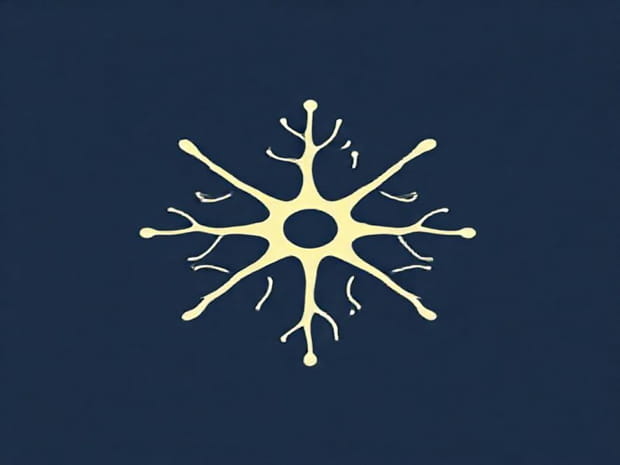
A typical neuron consists of three main parts
- Cell Body (Soma)The cell body contains the nucleus and cytoplasm, which provide metabolic support and regulate cell activities. It integrates incoming signals from other neurons.
- DendritesThese are branched extensions from the cell body that receive signals from other neurons or sensory receptors. Dendrites increase the surface area for communication.
- AxonA long, slender projection that transmits electrical impulses away from the cell body to other neurons, muscles, or glands. Axons are often covered with a myelin sheath that speeds up signal transmission.
Function of Neurons
The primary function of neurons is to transmit information in the form of electrical impulses and chemical signals. This function is critical for all aspects of the nervous system, including sensory perception, motor coordination, and higher cognitive functions such as learning and memory. Neurons operate in networks, forming complex circuits that allow the body to respond to internal and external stimuli efficiently.
Sensory Function
Neurons responsible for receiving signals from the environment or within the body are called sensory neurons. They detect stimuli such as light, sound, temperature, touch, and chemical changes. Once a sensory neuron detects a stimulus, it converts it into an electrical signal known as a nerve impulse. This impulse travels along the neuron to the central nervous system (CNS), which includes the brain and spinal cord, for processing.
Motor Function
Motor neurons transmit signals from the CNS to muscles and glands, resulting in actions such as movement or secretion. When the CNS processes information and decides on a response, motor neurons carry the command to the target organ. For example, if you touch a hot surface, sensory neurons send a signal to the CNS, which then sends a signal through motor neurons to your muscles, causing you to pull your hand away quickly.
Interneurons and Signal Integration
Interneurons, also known as relay neurons, connect sensory and motor neurons within the CNS. They play a critical role in interpreting sensory information, generating appropriate responses, and coordinating complex actions. Interneurons facilitate communication between different regions of the brain and spinal cord, contributing to reflexes, decision-making, and higher cognitive functions.
Transmission of Nerve Impulses
Neurons communicate through a combination of electrical and chemical signals. The process begins with the generation of an action potential, an electrical impulse that travels along the axon. The myelin sheath and nodes of Ranvier enable the impulse to move rapidly through a process called saltatory conduction. At the axon terminal, the electrical signal triggers the release of neurotransmitters, chemical messengers that cross the synaptic gap to communicate with the next neuron or target cell.
Synaptic Transmission
- Neurotransmitters are released from the axon terminals of the presynaptic neuron.
- They cross the synaptic cleft and bind to receptors on the dendrites of the postsynaptic neuron.
- This binding either excites or inhibits the postsynaptic neuron, continuing or modulating the signal.
This intricate process ensures precise communication, allowing the nervous system to respond to stimuli and coordinate activities accurately.
Importance of Neurons in Daily Life
Neurons are essential for almost every activity in daily life. Sensory neurons help us perceive the environment, detect danger, and enjoy sensory experiences. Motor neurons allow us to perform voluntary movements like walking, writing, and speaking. Interneurons support reflex actions that protect the body from harm, such as blinking when an object approaches the eye. Moreover, neurons in the brain enable memory formation, learning, emotions, and problem-solving, making them indispensable for overall functioning.
Examples in Class 10 Context
For students in class 10, understanding the function of neurons can be illustrated through simple examples
- Touching a hot object Sensory neurons detect heat, interneurons process the information, and motor neurons trigger muscle contraction to withdraw the hand.
- Smelling food Sensory neurons in the nose detect odor molecules and send signals to the brain, contributing to the sense of smell.
- Reflex actions Knee-jerk reflex involves sensory and motor neurons communicating through the spinal cord without direct involvement of the brain.
neurons are specialized cells that serve as the foundation of the nervous system. Their primary function is to transmit information through electrical impulses and chemical signals, enabling the body to respond to internal and external stimuli. By understanding the roles of sensory neurons, motor neurons, and interneurons, students can appreciate how the nervous system integrates information, coordinates movements, and supports complex behaviors. Learning about neurons in class 10 provides a basis for exploring advanced topics in biology, human physiology, and neuroscience, highlighting the intricate design and essential functions of these remarkable cells.