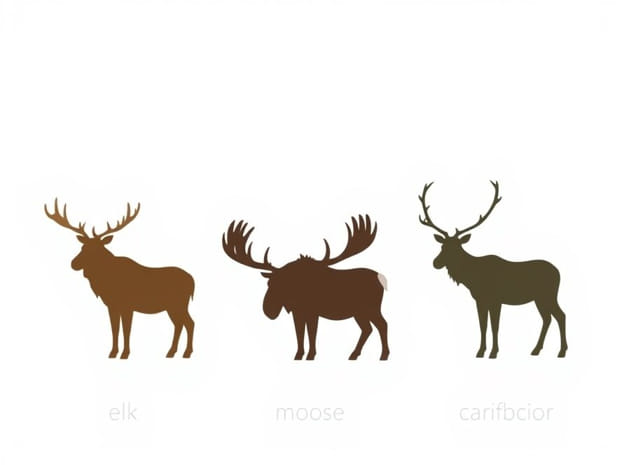
Elk Vs Moose Vs Caribou
Elk, moose, and caribou are three of the most iconic members of the deer family, each with distinct physical characteristics, habitats, and behaviors that set them apart. These large herbivores are often confused with one another due to their size and antlered appearance, but a closer examination reveals fascinating differences in their anatomy, diet, migration patterns, and social structures. Understanding these distinctions not only helps wildlife enthusiasts and hunters identify them correctly but also contributes to better conservation efforts. By exploring elk, moose, and caribou side by side, we gain insight into the diversity and adaptability of these majestic animals.
Physical Differences
The first noticeable differences among elk, moose, and caribou are their size, body shape, and antlers. Elk are generally smaller than moose but larger than caribou, with males reaching heights of up to 5 feet at the shoulder and weighing between 600 and 1,100 pounds. Their antlers are long and pointed, with multiple tines extending upward in a characteristic branching pattern. Females typically lack antlers.
Moose are the largest of the three, with adult males standing up to 6.5 feet at the shoulder and weighing as much as 1,800 pounds. Moose have broad, palmate antlers that resemble open hands, which makes them easily distinguishable from elk or caribou. Their long faces, humped shoulders, and long legs give them a unique appearance, well-suited for navigating deep snow and marshy environments.
Caribou, also known as reindeer, are generally smaller than moose and elk, with males weighing between 350 and 400 pounds. Both males and females grow antlers, a feature uncommon among other deer species. Caribou antlers tend to be more compact and have a distinct backward sweep. Their bodies are built for endurance, with shorter legs relative to their bodies and thick fur that insulates them against arctic temperatures.
Coat and Coloration
- ElkReddish-brown coats with darker necks and lighter rumps. Winter coats become thicker and more insulating.
- MooseDark brown or blackish fur, with longer, coarse hair providing warmth in northern climates.
- CaribouLight brown to grayish coats with white patches, especially on the neck, chest, and underbelly. Winter coats are thicker and nearly white for camouflage in snow.
Habitat and Range
Elk, moose, and caribou occupy different regions and habitats, reflecting their adaptations to various climates and ecosystems. Elk primarily inhabit forest edges, meadows, and grasslands in North America and parts of Asia. They thrive in regions with mixed forests and open areas that provide both food and cover.
Moose prefer boreal and mixed forests, wetlands, and areas with abundant water sources such as lakes, rivers, and marshes. They are common in Canada, Alaska, northern United States, and northern Europe. Their long legs and powerful bodies allow them to navigate through deep snow and wade into water to feed on aquatic vegetation.
Caribou are native to the Arctic tundra and subarctic regions of North America, Europe, and Siberia. They are highly migratory, traveling hundreds of miles between winter and summer ranges. Their habitats include tundra plains, boreal forests, and mountainous regions. Caribou rely on lichen, mosses, and other hardy vegetation, which dictates their seasonal movements.
Behavior and Social Structure
- ElkElk live in herds that vary in size depending on season and habitat. During the rut, males compete for females using vocalizations known as bugling and physical displays of antler strength. Females form maternal herds that graze together for protection.
- MooseMoose are generally solitary except during mating season. They have smaller, less cohesive groups compared to elk and caribou. Males compete for mates by engaging in displays of antler dominance and occasional combat.
- CaribouCaribou are highly social and travel in large herds, sometimes numbering in the thousands. This herd behavior is crucial for protection against predators and for navigation during long migrations. Both sexes participate in migration, and antlers play a role in foraging competition.
Diet and Feeding Habits
All three species are herbivores, but their diets vary according to habitat and seasonal availability. Elk are primarily grazers, feeding on grasses, shrubs, and tree bark. During winter, they rely more heavily on woody plants and browse in forested areas.
Moose are browsers rather than grazers, favoring leaves, twigs, bark, and aquatic vegetation. Their long legs and specialized nose allow them to feed on submerged plants in lakes and wetlands. Moose often strip bark from trees, which provides essential nutrients in the winter months.
Caribou feed on lichens, mosses, grasses, and shrubs. In the winter, they dig through snow to access lichen, which forms the bulk of their diet. Their specialized hooves and strong necks are adapted to digging and foraging in snow-covered landscapes, allowing them to survive harsh arctic conditions.
Reproduction and Lifespan
Elk, moose, and caribou have different reproductive strategies and lifespans, influenced by their environments. Elk mating season, or rut, occurs in the fall. Males compete through bugling and antler displays, and the strongest males mate with multiple females. Calves are usually born in late spring and weigh around 30 pounds at birth. Elk live up to 10-15 years in the wild.
Moose rut occurs from late September to early October. Males use their large antlers to fight rivals and attract females. Calves are born in spring, typically one or two per female, and weigh around 25-35 pounds. Moose have a lifespan of 15-20 years in the wild but face high calf mortality due to predation.
Caribou mate during the fall, with males competing for females using antler displays. Females give birth to a single calf in late spring. Caribou calves are able to walk within hours of birth, an essential adaptation for migration. Lifespan in the wild averages 10-15 years, although harsh environmental conditions can shorten this span.
Predators and Threats
Elk, moose, and caribou face threats from natural predators and human activities. Wolves, bears, and mountain lions are primary predators for all three species. Humans pose threats through hunting, habitat fragmentation, and climate change.
Moose are particularly vulnerable to vehicle collisions due to their large size and tendency to graze near roads. Caribou face challenges from habitat loss, climate change affecting lichen availability, and increased predation pressure. Elk populations are generally more resilient but still require managed hunting and habitat conservation to maintain healthy numbers.
Conservation Status
Elk are widely distributed and have stable populations in many regions, though local populations can be threatened by overhunting and habitat loss. Moose populations are stable in parts of Canada and Alaska but have declined in some areas due to warming climates, parasites, and habitat destruction. Caribou face the greatest conservation challenges, with many populations in decline due to habitat loss, climate change, and human development.
Elk, moose, and caribou are distinct yet closely related members of the deer family, each adapted to its unique environment and lifestyle. Elk are social grazers with large, branching antlers; moose are solitary browsers with palmate antlers and impressive size; caribou are highly migratory, social, and equipped for life in harsh arctic conditions. Understanding the differences in physical characteristics, habitat, behavior, diet, and conservation needs enhances our appreciation for these magnificent animals. By recognizing their unique traits, we can support conservation efforts and ensure that future generations can witness the grandeur of elk, moose, and caribou in the wild.