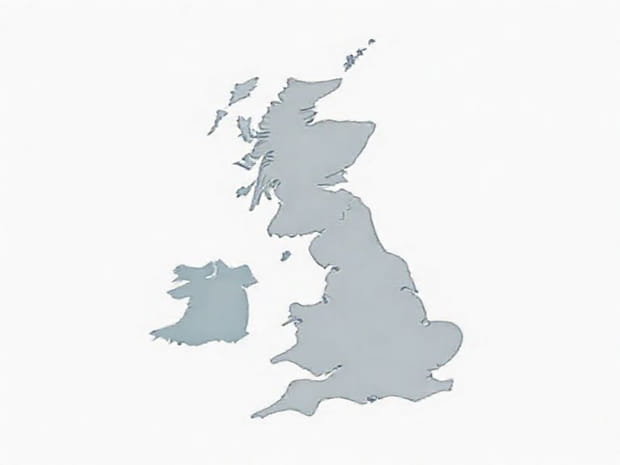
Countries In Great Britain
Great Britain is a large island located off the northwestern coast of mainland Europe. It is known for its rich history, diverse landscapes, and cultural heritage. The island is made up of several countries, each with its own unique identity, traditions, and governmental structure. People often confuse Great Britain with the United Kingdom, but while the two terms are related, they are not identical. Understanding the countries within Great Britain helps provide clarity about the geography, culture, and history of this fascinating part of the world. These countries have played a major role in global history, from the medieval period to the modern era, and they continue to influence culture, politics, and economics today.
England
England is the largest and most populous country on the island of Great Britain. It occupies the southern and central parts of the island and is home to London, the capital city of both England and the United Kingdom. England has a rich history that spans thousands of years, including the Roman occupation, the medieval era, and the rise of the British Empire. It is known for iconic landmarks such as Stonehenge, the Tower of London, and Buckingham Palace. England has a diverse cultural scene, with renowned theaters, museums, and universities that attract people from all over the world. Its landscape ranges from rolling countryside and national parks to bustling urban centers.
Geography and Climate
England features a mix of landscapes, including mountains, hills, rivers, and coastal areas. The climate is generally temperate, with mild winters and warm summers. The southern regions tend to be warmer and drier, while the northern parts are cooler and wetter. The country’s geography has influenced its agriculture, industry, and settlement patterns throughout history.
Culture and Society
England has a diverse cultural identity, combining traditional British customs with modern influences. English literature, music, and theater are celebrated worldwide, with figures like William Shakespeare, The Beatles, and contemporary artists making a global impact. Sports such as football, cricket, and rugby are also integral to English culture, and many major international competitions are hosted there.
Scotland
Scotland occupies the northern part of Great Britain and is known for its rugged landscapes, historic castles, and vibrant culture. Edinburgh, the capital city, is famous for its annual festival, historic Old Town, and impressive architecture. Scotland has a distinct identity, language heritage including Scots and Gaelic, and legal and educational systems that differ from those in England. The country is known for its contributions to philosophy, science, and literature, as well as its traditional music and dance.
Natural Beauty
Scotland is renowned for its natural scenery, including the Highlands, islands such as Skye, and numerous lochs, with Loch Ness being the most famous. Its mountainous terrain and coastal beauty attract hikers, photographers, and tourists from around the globe. Scotland’s landscapes are closely tied to its history and folklore, including legends of ancient clans and mythical creatures.
Culture and Traditions
Scottish culture is celebrated for its distinctive traditions such as kilts, bagpipes, and Highland games. Festivals like Hogmanay and Burns Night showcase Scottish music, dance, and culinary heritage. Whisky production is a major part of Scotland’s economy and cultural identity, with many distilleries attracting visitors eager to experience authentic Scottish whisky.
Wales
Wales is located to the west of England and is known for its mountainous landscapes, Celtic culture, and strong sense of national identity. Cardiff is the capital city and serves as a cultural and economic hub. Wales has a distinct language, Welsh, which is spoken alongside English and has been actively preserved through education and media. The country is known for its castles, scenic coastline, and festivals celebrating music and literature.
Landscape and Environment
Wales is famous for its dramatic landscapes, including Snowdonia National Park and Brecon Beacons. Its coastal paths and national parks provide opportunities for hiking, climbing, and exploring nature. The natural environment has influenced Welsh culture, folklore, and outdoor traditions.
Cultural Heritage
Welsh culture emphasizes music, poetry, and community traditions. Eisteddfod festivals, held regularly across the country, celebrate Welsh music, literature, and performance arts. Sports such as rugby are highly popular, and Wales has produced many renowned athletes and musicians who have achieved international recognition.
Key Differences Between the Countries
- England is the largest in both area and population and serves as the political center with London as the capital.
- Scotland is known for its distinct legal, educational systems, and cultural traditions, with strong national pride and Gaelic heritage.
- Wales emphasizes its language and Celtic traditions, with a rich history of castles, poetry, and music.
Shared History and Cooperation
Despite their differences, England, Scotland, and Wales share a long history of interaction, political unions, and economic cooperation. These countries have influenced each other culturally and historically, contributing to the overall identity of Great Britain. Modern Great Britain operates as a constitutional monarchy with a parliamentary system, where each country maintains certain devolved powers in areas such as education, health, and local governance.
Tourism and Attractions
Tourism is an important industry in all three countries. Visitors are drawn to England’s historic cities and landmarks, Scotland’s scenic Highlands and cultural festivals, and Wales’ natural beauty and cultural heritage. Each country offers unique experiences, making Great Britain a diverse and attractive destination for travelers worldwide.
The countries of Great Britain England, Scotland, and Wales offer a fascinating mix of history, culture, and natural beauty. Each country has its own identity, from England’s urban and cultural diversity, Scotland’s rugged landscapes and traditions, to Wales’ Celtic heritage and scenic coastlines. Understanding the differences and similarities between these countries provides insight into the rich tapestry that makes up Great Britain. This island continues to play a significant role on the world stage, not only for its historical contributions but also for its cultural influence and economic significance. Exploring the countries in Great Britain offers an unforgettable journey through history, tradition, and stunning landscapes that define the heart of northwestern Europe.