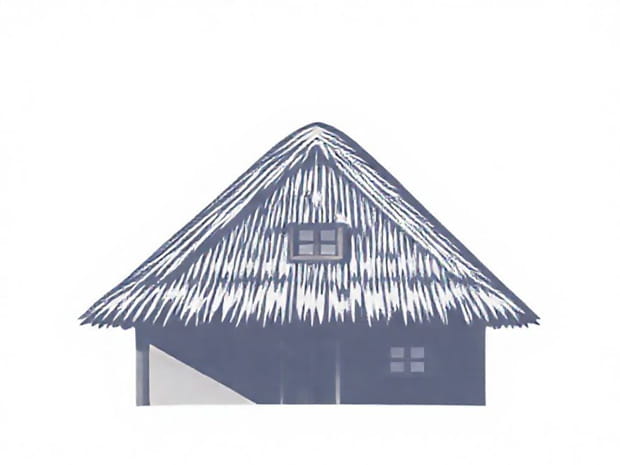
Cost Of Thatching A Roof
Thatching a roof is an ancient and traditional roofing method that involves covering a roof with dry vegetation such as straw, water reed, or heather. It is celebrated for its rustic charm, insulation properties, and sustainability. However, the cost of thatching a roof can vary widely based on several factors, including the type of material, roof size, pitch, and labor. Understanding these costs is essential for homeowners considering a thatched roof for aesthetic, historical, or environmental reasons. Proper planning ensures the investment in a thatched roof is both financially and structurally sound.
What Is Roof Thatching?
Roof thatching involves layering dry vegetation to create a weatherproof and insulated covering. Materials commonly used include water reed, long straw, heather, and sometimes rushes. Each material offers unique benefits in terms of durability, appearance, and maintenance requirements. Thatching requires specialized skills, as the layers must be tightly packed and carefully arranged to ensure longevity and protection against water penetration.
Benefits of a Thatch Roof
- Excellent insulation, keeping homes warm in winter and cool in summer
- Environmentally friendly using natural, renewable materials
- Distinctive aesthetic appeal that enhances property value
- Durability when properly maintained, often lasting several decades
Thatch roofs are particularly popular in rural and historical areas where traditional architecture is preserved. The visual appeal of a thatched roof can significantly enhance the charm and character of a property.
Factors Affecting the Cost of Thatching a Roof
The cost of thatching a roof is not fixed and depends on a combination of factors. Being aware of these factors helps in budgeting and planning for installation or replacement.
Type of Thatching Material
- Water ReedHighly durable, lasting 50-60 years; more expensive due to longevity and availability
- Long StrawTraditional choice, generally lasting 20-30 years; less costly than water reed
- HeatherOffers a rustic look; price varies depending on sourcing and quality
The type of material chosen affects not only the initial cost but also long-term maintenance and replacement schedules.
Size and Complexity of the Roof
Larger roofs naturally require more material and labor, increasing overall costs. Roof complexity, such as multiple angles, chimneys, or dormer windows, also adds to the expense. Intricate designs demand more time and skilled craftsmanship, which is reflected in higher labor costs.
Labor Costs
Thatching is a specialized craft. Experienced thatchers charge premium rates due to the skill required. Labor costs typically represent a significant portion of the total expense, often ranging from 50% to 70% of the total roof installation cost. Hiring certified and experienced professionals ensures that the roof is constructed to last.
Location and Accessibility
Geographic location impacts material availability and labor costs. Remote areas may require additional transportation fees for materials and craftsmen. Accessibility also matters; roofs that are difficult to reach or require scaffolding will add to the cost.
Estimated Costs of Thatching a Roof
While costs vary, here is a general estimate based on roof material and size
- Small residential roof (around 100 square meters) $15,000 – $25,000
- Medium-sized roof (150-200 square meters) $25,000 – $40,000
- Large or complex roofs (over 200 square meters) $40,000 – $60,000+
These estimates include both materials and labor but may not account for additional features such as chimneys, skylights, or decorative elements. Water reed is usually at the higher end due to its longevity and durability, while long straw may be more cost-effective but requires more frequent maintenance.
Maintenance Costs
Maintaining a thatched roof is essential for longevity. Maintenance can include patching, re-thatching, and treating the roof to prevent moss, rot, and pest damage. Annual inspections are recommended. Maintenance costs can range from a few hundred to several thousand dollars depending on roof size, material, and condition.
Tips for Reducing Thatching Costs
While thatching is inherently expensive due to the specialized labor and quality materials involved, homeowners can take steps to manage costs effectively.
Plan for Long-Term Investment
Choosing durable materials like water reed may involve higher upfront costs but reduces replacement and maintenance frequency, making it cost-effective in the long term.
Compare Quotes
Obtaining multiple quotes from reputable thatchers ensures competitive pricing and a clear understanding of costs. Look for references and completed projects to ensure quality workmanship.
Consider Partial Thatching
In some cases, homeowners can reduce costs by partially thatching areas such as extensions or less visible sections. Combining thatch with other roofing materials may also offer a balance between aesthetics and budget.
Regular Maintenance
Investing in annual inspections and minor repairs prevents major damage and extends the lifespan of the roof. Preventative maintenance is cheaper than full replacement.
The cost of thatching a roof is influenced by multiple factors, including material choice, roof size, complexity, labor, and location. While the initial investment may seem high, the benefits of insulation, aesthetic appeal, and environmental sustainability often justify the expenditure. Water reed offers durability and longevity at a higher cost, while long straw or heather provides traditional charm with slightly lower upfront costs. Understanding these variables allows homeowners to budget effectively and make informed decisions. Investing in quality materials and skilled labor ensures that the roof remains an attractive, functional, and lasting feature of the property for decades. By balancing cost considerations with long-term value, thatching a roof can be both a beautiful and practical choice for residential or historical homes.